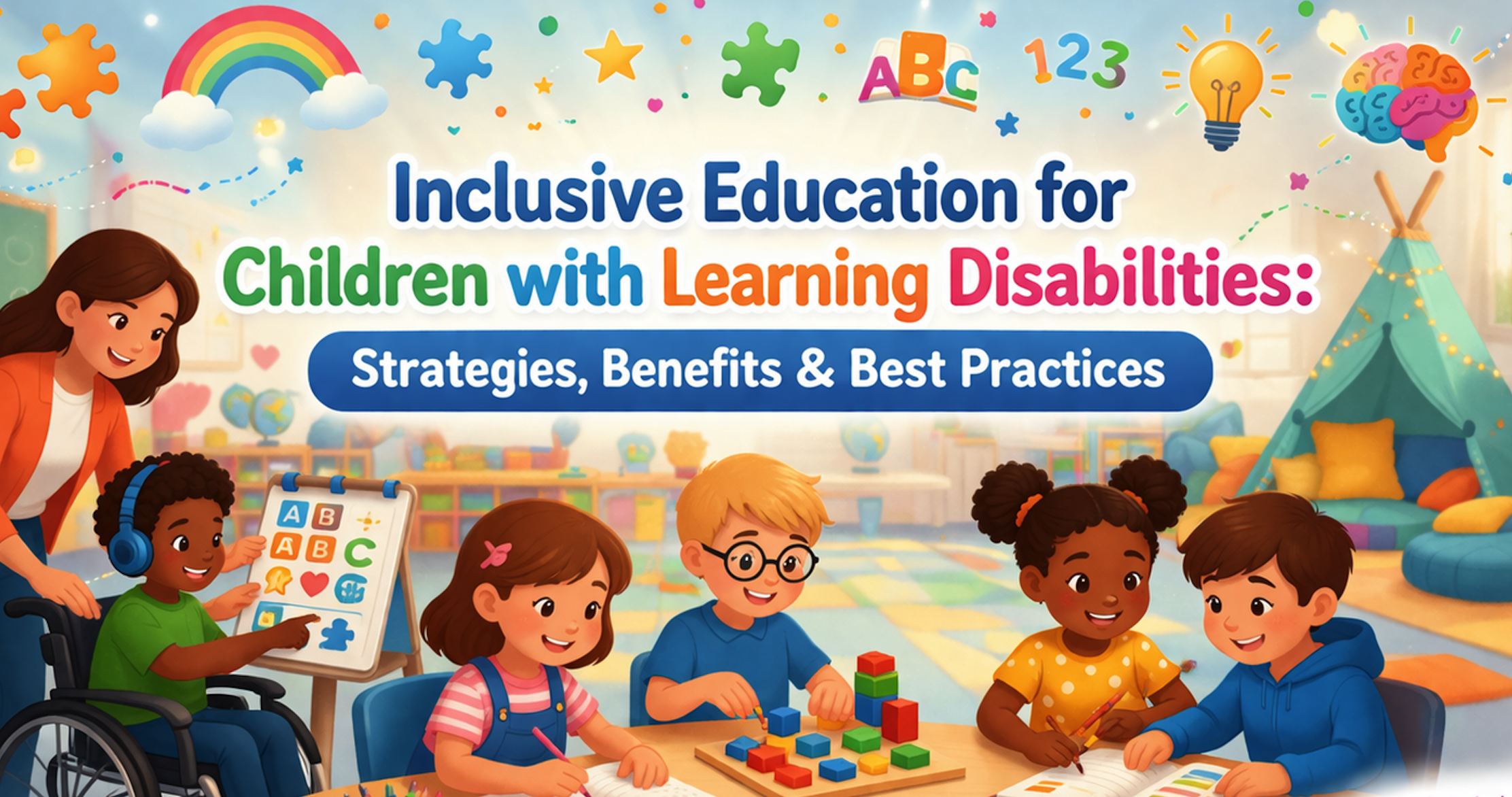
Inclusive Education for Children with Learning Disabilities
Inclusive education for children with learning disabilities is transforming modern classrooms by ensuring that every child—regardless of cognitive, behavioral, or developmental differences—receives equitable learning opportunities. Today, educators, policymakers, and parents increasingly recognize that inclusive learning environments foster academic success, emotional growth, and social integration for all students.
This comprehensive guide explains what inclusive education means, why it matters, and how teachers and schools can implement it effectively. Moreover, it outlines actionable strategies, benefits, and challenges to help stakeholders create supportive learning ecosystems.
What Is Inclusive Education?
Inclusive education is an instructional approach in which students with and without learning disabilities study together in the same classroom. Instead of segregating learners based on ability, inclusive systems adapt teaching methods, curricula, and classroom environments to meet diverse needs.
Learning disabilities may include conditions such as dyslexia, dyscalculia, dysgraphia, auditory processing disorder, and nonverbal learning disabilities. These neurological differences affect how students process information, yet they do not reflect intelligence levels. Therefore, inclusive education emphasizes accessibility, differentiation, and individualized support rather than standardized instruction.
Why Inclusive Education Matters
Inclusive education benefits not only children with learning disabilities but also their peers, teachers, and communities. Research consistently shows that inclusive classrooms promote empathy, collaboration, and problem-solving skills among all students.
Academic Benefits
Students with learning disabilities often perform better academically in inclusive settings because they gain access to grade-level curriculum, diverse instructional techniques, and peer learning opportunities. At the same time, general education students deepen their understanding by engaging with varied perspectives and learning styles.
Social and Emotional Growth
Inclusive classrooms encourage acceptance and reduce stigma. As students interact daily, they develop stronger interpersonal skills, increased self-esteem, and improved emotional regulation. Consequently, children with learning disabilities feel valued rather than isolated.
Long-Term Advantages
Inclusive education prepares students for real-world environments where people of different abilities collaborate. This preparation improves future employment readiness, independence, and social participation.
Understanding Learning Disabilities in the Classroom
Before implementing inclusive education strategies, educators must understand how learning disabilities manifest. These disabilities typically affect one or more cognitive processes related to reading, writing, reasoning, or mathematics.
Common Signs Teachers Should Recognize
Difficulty following multi-step instructions
Trouble with reading fluency or comprehension
Persistent spelling or writing challenges
Problems with organization or time management
Slow information processing
Early identification is essential because timely intervention significantly improves educational outcomes. Therefore, teachers should collaborate with specialists, psychologists, and parents when concerns arise.
Principles of Effective Inclusive Education
To create a truly inclusive classroom, schools must follow evidence-based principles that address diverse learning needs.
1. Differentiated Instruction
Differentiated instruction involves tailoring lessons to accommodate varied ability levels, interests, and learning preferences. Teachers may modify content, learning processes, or assessment methods so every student can participate meaningfully.
2. Universal Design for Learning (UDL)
Universal Design for Learning is a framework that promotes flexible teaching methods and materials. It encourages multiple means of representation, engagement, and expression so students can access information in ways that suit them best.
3. Collaborative Teaching
Inclusive education often requires co-teaching models in which general educators and special education specialists share instructional responsibilities. This collaboration ensures that students receive targeted support without leaving the classroom.
4. Individualized Education Plans (IEPs)
An IEP outlines personalized goals, accommodations, and support services for students with learning disabilities. These plans guide teachers in delivering instruction aligned with each child’s needs.
Strategies to Support Children with Learning Disabilities
Implementing inclusive education successfully requires practical classroom strategies. The following methods have proven effective across various educational contexts.
Use Multisensory Teaching Techniques
Multisensory instruction engages visual, auditory, kinesthetic, and tactile modalities simultaneously. For example, a reading lesson might combine spoken explanations, written text, and hands-on activities. This approach strengthens memory retention and comprehension.
Break Tasks into Smaller Steps
Complex tasks can overwhelm students with learning disabilities. Dividing assignments into manageable steps improves understanding and reduces anxiety. Additionally, providing checklists helps students track progress.
Provide Clear Instructions
Teachers should deliver concise directions and confirm comprehension by asking students to restate instructions. Visual aids, written guidelines, and demonstrations further enhance clarity.
Offer Flexible Assessment Methods
Traditional exams may not accurately reflect the abilities of students with learning disabilities. Alternative assessments—such as oral presentations, projects, or portfolios—allow them to demonstrate knowledge effectively.
Classroom Accommodations That Promote Inclusion
Accommodations are adjustments that enable students with learning disabilities to access the same curriculum as their peers. They do not change learning goals; instead, they remove barriers.
Common accommodations include:
Extended time for assignments and tests
Preferential seating near the teacher
Access to lecture notes or recordings
Reduced homework volume
Use of calculators or spelling aids
When implemented thoughtfully, these accommodations help students succeed without feeling singled out.
Role of Teachers in Inclusive Education
Competition for government scholarships is intense. Use these expert strategies to stand out:
Apply to multiple scholarships instead of relying on one
Highlight measurable achievements rather than vague claims
Customize each application instead of copying content
Proofread documents thoroughly
Demonstrate leadership, community service, or research experience
Follow formatting instructions exactly
Selection committees often receive thousands of applications. Attention to detail can make a significant difference.
Role of Teachers in Inclusive Education
Teachers play a central role in creating inclusive classrooms. Their attitudes, instructional choices, and classroom management strategies directly influence student outcomes.
Building an Inclusive Mindset
An inclusive mindset begins with believing that every student can learn. Teachers must value diversity and view differences as strengths rather than obstacles. This perspective shapes classroom culture and expectations.
Ongoing Professional Development
Educators need continuous training to stay updated on inclusive teaching methods, assistive technologies, and special education policies. Workshops, certifications, and peer mentoring programs support professional growth.
Myths About Health Insurance for Low-Income Families
Misinformation prevents many families from enrolling.
Myth 1: Insurance Is Too Expensive
In reality, Medicaid and CHIP often provide little to no monthly premiums.
Myth 2: Only Full-Time Workers Qualify
Eligibility depends on income level, not employment type.
Myth 3: The Application Process Is Impossible
While documentation is required, assistance programs make enrollment manageable.
By understanding the facts, families can make informed decisions.
Why Coverage Is a Long-Term Investment
Health insurance is not just an expense. It is an investment in stability.
Coverage protects against:
Unexpected surgeries
Chronic disease management costs
Prescription medication expenses
Long-term hospital stays
Over time, insured families experience fewer financial disruptions.
Additionally, consistent healthcare access improves life expectancy and quality of life.
The Social Impact of Healthcare Equity
Access to healthcare should not depend solely on income level. When low-income families gain coverage, health disparities decrease.
Improved access leads to:
Lower infant mortality rates
Better maternal health outcomes
Reduced chronic disease rates
Healthier communities overall
Therefore, expanding financial protection through health coverage promotes social equity.
Tips for Maintaining Affordable Health Insurance Coverage
Once enrolled, families should take proactive steps to maintain coverage.
Report income changes promptly
Renew coverage annually
Review plan updates during open enrollment
Use preventive services regularly
Staying informed prevents coverage gaps and unexpected medical expenses.
Conclusion: Health Insurance Is Essential for Low-Income Families
Navigating health insurance may feel overwhelming. However, the consequences of remaining uninsured are far more serious.
Health insurance for low-income families provides:
Financial security
Access to preventive care
Mental health support
Pediatric healthcare
Protection against catastrophic expenses
With public programs, subsidies, and enrollment assistance available, coverage is more accessible than ever.
Ultimately, securing affordable health insurance coverage strengthens families, protects children, and builds healthier communities.
Investing in health coverage today ensures stability tomorrow.