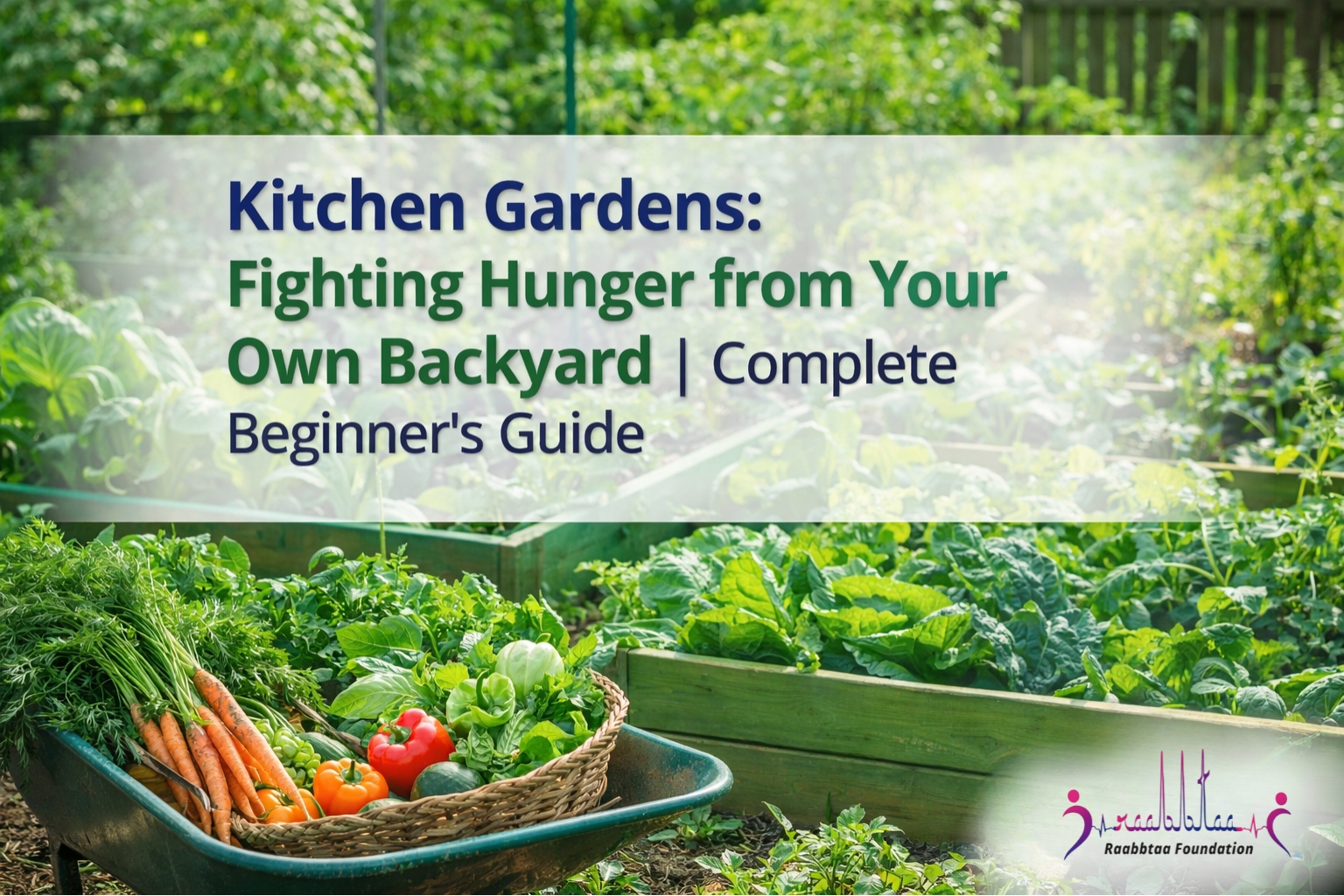
Kitchen Gardens: Fighting Hunger from Your Own Backyard
Food insecurity continues to affect millions of families across the world. Rising food prices, supply chain disruptions, and climate change have made access to fresh and nutritious food more difficult than ever. However, one simple yet powerful solution lies closer to home than most people realize — kitchen gardens.
Kitchen gardens empower households to grow their own fruits, vegetables, and herbs right in their backyard, balcony, or even windowsill. Not only do they provide fresh produce, but they also reduce grocery expenses, improve nutrition, and promote sustainable living.
In this comprehensive guide, you will learn how kitchen gardens help fight hunger, how to start one, what to grow, and why this traditional practice is making a strong comeback worldwide.
What Are Kitchen Gardens?
Kitchen gardens are small-scale gardens located near a home where families grow vegetables, fruits, herbs, and sometimes medicinal plants for daily consumption. Unlike commercial farming, kitchen gardening focuses on household needs rather than profit.
Historically, kitchen gardens have existed across cultures. For example, the “potager” gardens in France and traditional homestead gardens in rural communities were designed to provide year-round food for families.
Today, kitchen gardens are gaining popularity again due to increasing awareness of:
Food security
Organic produce
Sustainable living
Self-reliance
Simply put, a kitchen garden allows you to grow your own food, ensuring access to fresh and chemical-free produce.
How Kitchen Gardens Help Fight Hunger
Kitchen gardens play a crucial role in combating hunger at both household and community levels. Here’s how:
1. Improved Food Security
Food security means having reliable access to sufficient, nutritious food. A backyard kitchen garden ensures that fresh vegetables are always available, even during economic hardships.
Moreover, growing your own produce reduces dependency on fluctuating market prices.
2. Better Nutrition
Vegetables harvested from a kitchen garden are fresher and richer in nutrients. Since they are consumed immediately after harvesting, they retain more vitamins and minerals.
Families with kitchen gardens often consume:
Leafy greens
Seasonal vegetables
Fresh herbs
Vitamin-rich fruits
As a result, dietary diversity improves significantly.
3. Reduced Grocery Expenses
Food costs continue to rise globally. However, a well-maintained backyard kitchen garden can reduce monthly vegetable expenses considerably. Over time, the savings can be substantial.
4. Resilience During Crises
During emergencies such as pandemics or supply disruptions, kitchen gardens provide a reliable food source. For instance, during global lockdowns, many households turned to sustainable home gardening for stability.
Benefits of Starting a Kitchen Garden
Beyond fighting hunger, kitchen gardens offer numerous additional benefits.
1. Access to Organic Food
When you grow your own vegetables, you control what goes into the soil. This means fewer pesticides and more natural growing methods.
2. Environmental Sustainability
Kitchen gardens reduce the carbon footprint associated with transporting food. Furthermore, composting kitchen waste improves soil health and reduces landfill waste.
3. Mental and Physical Health Benefits
Gardening promotes physical activity and reduces stress. Studies show that spending time in nature improves mental well-being.
4. Educational Value for Children
Children learn responsibility, biology, and sustainability by participating in gardening activities. Therefore, kitchen gardening for beginners can become a valuable family project.
How to Start a Kitchen Garden (Step-by-Step Guide)
Starting a kitchen garden does not require large land or expensive equipment. Follow these practical steps:
Step 1: Choose the Right Location
Select an area that receives at least 5–6 hours of sunlight daily. Good drainage is essential to prevent waterlogging.
Even small spaces like balconies or terraces can be transformed into productive backyard kitchen gardens.
Step 2: Prepare the Soil
Healthy soil is the foundation of successful kitchen gardens. Enrich your soil with:
Compost
Organic manure
Leaf mold
Loose, fertile soil allows roots to grow freely and absorb nutrients efficiently.
Step 3: Select Suitable Crops
Choose crops based on:
Climate
Season
Available space
Family preferences
Beginner-friendly vegetables include:
Tomatoes
Spinach
Lettuce
Carrots
Peppers
Beans
Starting small helps build confidence.
Step 4: Plan Your Garden Layout
Use raised beds, containers, or vertical gardening methods if space is limited. Companion planting can improve productivity and reduce pests naturally.
Step 5: Water Regularly
Most vegetables require consistent moisture. However, avoid overwatering, as it can cause root rot.
Morning watering is generally most effective.
Step 6: Maintain and Harvest
Remove weeds regularly and monitor plants for pests. Harvest vegetables at peak ripeness for best taste and nutrition.
Best Crops for a Productive Kitchen Garden
To maximize food production, focus on high-yield, nutrient-dense crops.
Leafy Greens
Spinach
Kale
Lettuce
Swiss chard
These grow quickly and can be harvested multiple times.
Root Vegetables
Carrots
Radishes
Beets
They require minimal maintenance and store well.
Fruit Vegetables
Tomatoes
Cucumbers
Eggplants
Peppers
These provide high nutritional value and are commonly used in daily meals.
Herbs
Basil
Mint
Coriander
Parsley
Herbs enhance flavor while offering medicinal benefits.
Small Space Kitchen Gardening Ideas
Limited space should not discourage you. Sustainable home gardening can adapt to urban environments.
Container Gardening
Use pots, buckets, or recycled containers for growing vegetables. Ensure proper drainage holes.
Vertical Gardening
Vertical structures maximize limited areas. Trellises and wall-mounted planters are excellent solutions.
Rooftop Gardening
Flat rooftops can be converted into highly productive food-growing spaces.
Common Challenges in Kitchen Gardens (And Solutions)
Even the most experienced gardeners face challenges. Fortunately, most problems have simple solutions.
Pest Infestation
Use natural remedies such as neem oil, garlic spray, or companion planting to control pests organically.
Poor Soil Quality
Add compost regularly to restore soil nutrients.
Irregular Watering
Install drip irrigation systems for consistent watering.
Seasonal Limitations
Plant seasonal crops suited to your climate to maintain year-round production.
The Role of Kitchen Gardens in Sustainable Living
Kitchen gardens align perfectly with sustainability goals.
They promote:
Local food production
Reduced food waste
Lower transportation emissions
Biodiversity
Soil conservation
Additionally, composting kitchen scraps closes the nutrient loop, making your garden more eco-friendly.
Community Kitchen Gardens and Social Impact
Beyond individual households, community kitchen gardens strengthen neighborhoods.
They:
Support low-income families
Encourage community cooperation
Provide educational opportunities
Promote food equality
In many developing regions, community gardens are key tools in fighting hunger and malnutrition.
Tips for Long-Term Success
To maintain a productive backyard kitchen garden:
Rotate crops annually.
Use organic fertilizers.
Save seeds from healthy plants.
Practice mulching to conserve moisture.
Continue learning about seasonal planting.
Consistency and patience are essential.
Why Kitchen Gardens Are the Future of Food Security
With growing global challenges, centralized food systems are increasingly vulnerable. Kitchen gardens offer a decentralized, sustainable alternative.
By empowering households to grow their own food, societies become more resilient. Furthermore, local food production reduces reliance on imports and long supply chains.
In the long term, widespread adoption of kitchen gardening for beginners and experienced growers alike can significantly reduce hunger at the grassroots level.
Final Thoughts
Kitchen gardens are more than a hobby — they are a practical solution to hunger, rising food costs, and environmental degradation. Whether you have a spacious backyard or a small balcony, you can start growing your own food today.
By investing time in a kitchen garden, you invest in:
Food security
Better health
Financial savings
Environmental sustainability
Now is the perfect time to take control of your food supply. Start small, stay consistent, and watch your backyard transform into a thriving source of nourishment.