Every organization, community, and professional journey is shaped by real experiences. While reports and statistics provide valuable information, stories from the field bring those numbers to life. They reflect genuine emotions, challenges, and achievements that cannot be captured through data alone.
Moreover, these stories help people understand what truly happens on the ground. They highlight human connections, problem-solving skills, and the power of perseverance. As a result, they become powerful tools for learning and inspiration.
In this blog, we will explore meaningful stories from the field, examine their importance, and understand how they influence growth and innovation. Additionally, we will share real-life examples that demonstrate the impact of fieldwork across different sectors.
Understanding Hunger in Communities
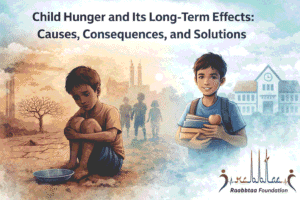
Hunger is not just about the absence of food. It is closely linked to poverty, unemployment, health issues, and lack of education. Many families struggle to afford balanced meals, and children often face malnutrition, which affects their physical and mental development.
Causes of Hunger
Several factors contribute to hunger in local communities:
* Low household income
* Rising food prices
* Lack of employment opportunities
* Poor agricultural productivity
* Food wastage and inefficient distribution
Understanding these causes helps communities design effective solutions that address the root of the problem rather than just the symptoms.
Why a Hunger-Free Community Vision Matters
A hunger-free community benefits everyone, not just those who are food insecure. When people have access to proper nutrition, they are healthier, more productive, and better able to contribute to society.
Benefits of Ending Hunger
1. Improved Health
Proper nutrition reduces the risk of diseases and strengthens immunity.
2. Better Education Outcomes
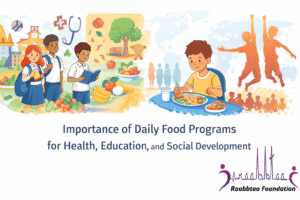
Children who are well-nourished perform better in school and have improved concentration.
3. Economic Growth
Healthy individuals are more capable of working and contributing to local economies.
4. Social Stability
Reducing hunger lowers stress, crime, and inequality within communities.
A hunger-free community vision is therefore not just a humanitarian goal but also an investment in a better future.
Role of Nonprofit Organizations and NGOs
Nonprofit organizations play a significant role in achieving a hunger-free community vision. They often act as a bridge between donors, volunteers, and beneficiaries.
How NGOs Help Fight Hunger
* Organizing food distribution programs
* Running nutrition awareness campaigns
* Supporting livelihood and employment initiatives
* Partnering with governments and private sectors
Collaboration between NGOs and local communities ensures that resources reach those who need them most.
Importance of Reducing Food Waste
One of the most effective ways to fight hunger is by reducing food waste. Large quantities of food are discarded daily, even though they are still safe to consume.
Ways to Reduce Food Waste
* Donating surplus food
* Planning meals efficiently
* Storing food properly
* Encouraging restaurants to redistribute unused food
Reducing waste not only helps feed the hungry but also protects the environment by lowering landfill waste.
Community Engagement and Volunteerism
Community involvement is essential for building a hunger-free society. Volunteers play a key role in organizing food drives, preparing meals, and raising awareness.
How Individuals Can Help
* Donating surplus food
* Planning meals efficiently
* Storing food properly
* Encouraging restaurants to redistribute unused food
Reducing waste not only helps feed the hungry but also protects the environment by lowering landfill waste.
Addressing Malnutrition Along with Hunger
Hunger is not only about quantity but also about quality. Many people suffer from malnutrition even when they have enough food because their diets lack essential nutrients.
Promoting Balanced Diets
Communities should promote diets that include:
* Whole grains
* Fruits and vegetables
* Protein sources
* Dairy or alternatives
Nutrition education programs can help families prepare affordable and healthy meals.
Government and Policy Support
Government policies and welfare schemes are crucial in supporting hunger-free initiatives.
Examples of Effective Measures
* Public food distribution systems
* Subsidized food programs
* Nutrition programs for mothers and children
* Agricultural subsidies for farmers
Strong policies combined with community efforts create sustainable solutions to hunger.
Emergency Preparedness and Food Security
Emergency Preparedness and Food Security
Natural disasters, pandemics, and economic crises can disrupt food supply chains and increase hunger levels.
Building Resilient Food Systems
Communities should:
* Maintain emergency food reserves
* Strengthen local supply chains
* Train volunteers for crisis response
Preparedness ensures that vulnerable populations receive support during difficult times.
Inspiring a Culture of Compassion
A hunger-free community vision is not only about systems and programs but also about values. Compassion, generosity, and empathy encourage people to care for one another.
Simple acts like sharing meals, helping neighbors, and supporting community initiatives create a sense of unity and responsibility.
Steps to Start a Hunger-Free Initiative in Your Community
If you want to contribute to a hunger-free community, consider these steps:
1. Identify local hunger issues and affected groups.
2. Partner with local organizations and volunteers.
3. Organize food drives and awareness campaigns.
4. Create sustainable programs such as community gardens.
5. Monitor progress and improve strategies over time.
Starting small and growing gradually can lead to long-term impact.
Future of Hunger-Free Communities
With increasing awareness, improved technology, and stronger community participation, the vision of hunger-free communities is becoming more achievable. Governments, NGOs, businesses, and individuals must work together to ensure that no one goes to bed hungry.
Sustainable practices, efficient food distribution, and compassionate communities are the keys to achieving this goal.
Conclusion
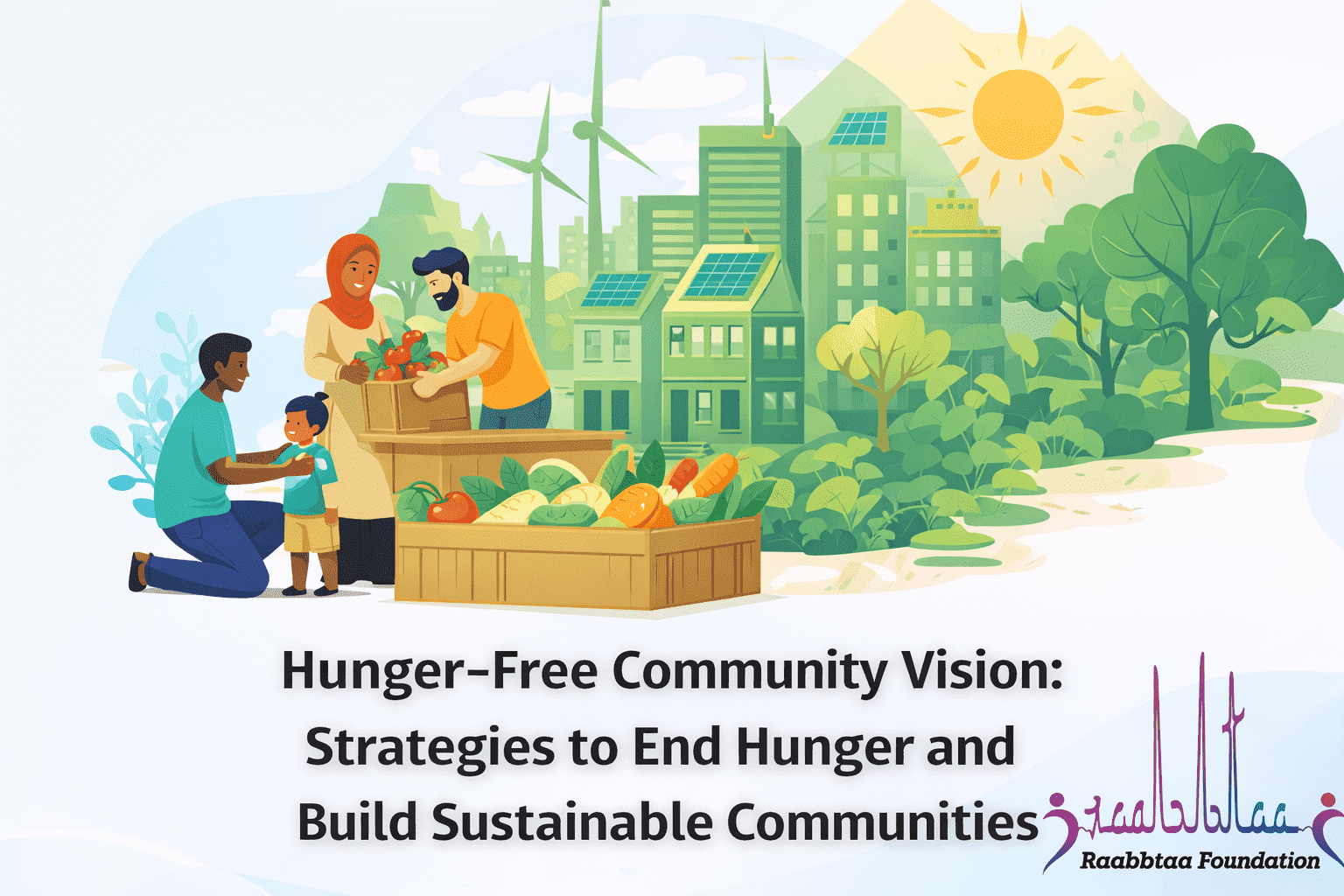
A hunger-free community vision is a powerful goal that can transform societies. By addressing the root causes of hunger, promoting sustainable food systems, and encouraging community participation, we can create a future where everyone has access to nutritious food.
Ending hunger is not a distant dream—it is a realistic and achievable mission when communities unite with determination and compassion. Each individual, organization, and institution has a role to play in building a world where hunger no longer exists.