Every organization, community, and professional journey is shaped by real experiences. While reports and statistics provide valuable information, stories from the field bring those numbers to life. They reflect genuine emotions, challenges, and achievements that cannot be captured through data alone.
Moreover, these stories help people understand what truly happens on the ground. They highlight human connections, problem-solving skills, and the power of perseverance. As a result, they become powerful tools for learning and inspiration.
In this blog, we will explore meaningful stories from the field, examine their importance, and understand how they influence growth and innovation. Additionally, we will share real-life examples that demonstrate the impact of fieldwork across different sectors.
Why Regular Meals Are Essential for Children
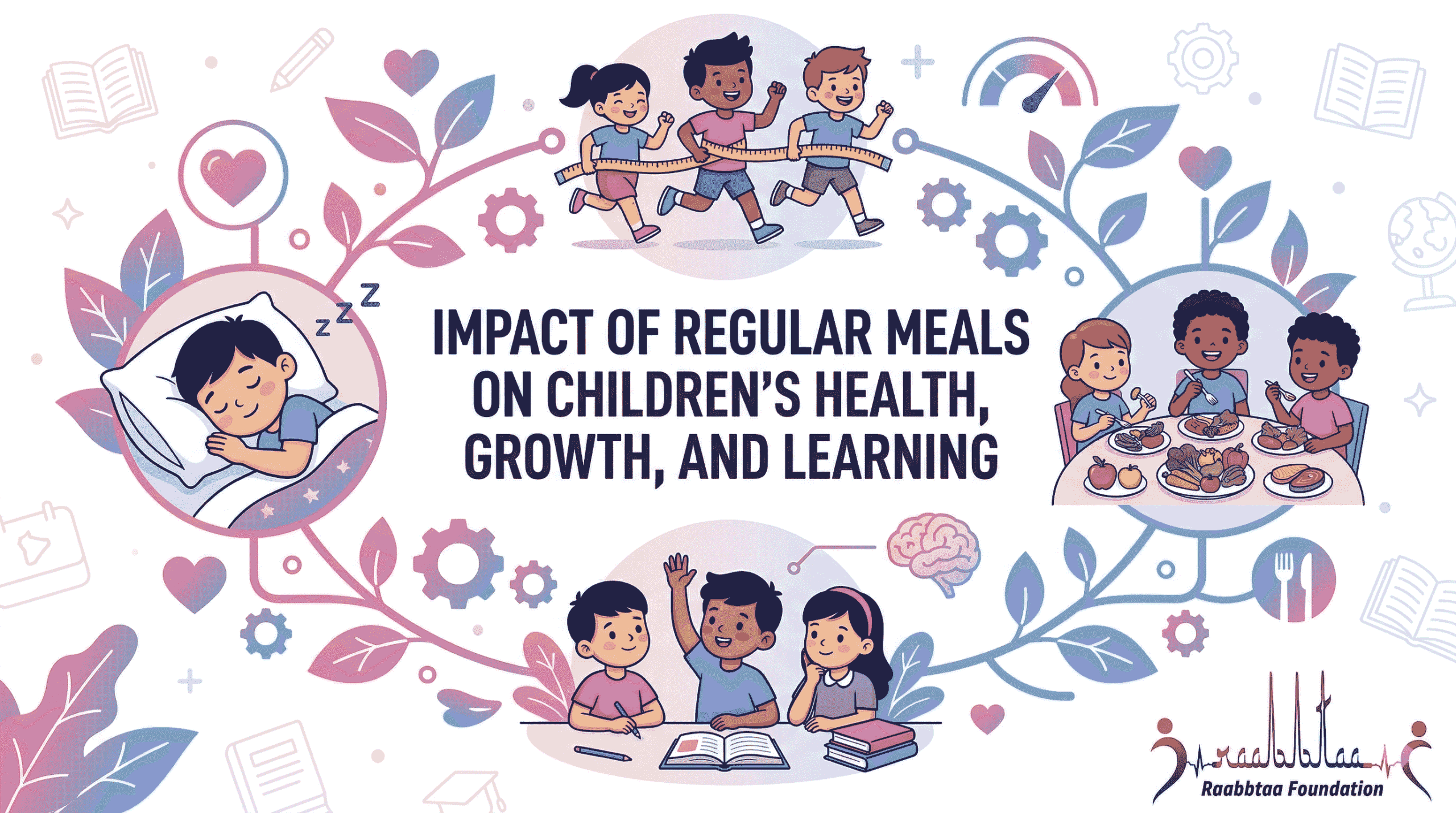
The impact of regular meals on children begins with their growing bodies. Children burn energy faster than adults due to their active lifestyles and rapid development. Without proper nutrition at consistent intervals, their bodies struggle to maintain energy levels.
Regular meals:
* Provide steady energy throughout the day
* Support healthy weight management
* Improve concentration and learning ability
* Strengthen the immune system
* Promote emotional balance
When children skip meals, especially breakfast, they often experience fatigue, irritability, and difficulty focusing. Establishing a structured meal schedule ensures their bodies receive the right nutrients at the right time.
Impact of Regular Meals on Physical Growth
One of the most significant benefits of regular meals is improved physical growth. Proper nutrition fuels bone development, muscle formation, and organ function.
1. Supports Healthy Height and Weight
Children need essential nutrients such as protein, calcium, iron, and vitamins to grow properly. Consistent meals help maintain a healthy body mass index (BMI) and prevent undernutrition or obesity.
2. Prevents Nutritional Deficiencies
2. Prevents Nutritional Deficiencies
Skipping meals can lead to deficiencies in iron, vitamin D, calcium, and other essential nutrients. Over time, these deficiencies may cause anemia, weak bones, and delayed development.
3. Boosts Immune System
Regular meals rich in fruits, vegetables, and proteins strengthen immunity. A well-fed child is less likely to suffer from frequent infections.
The impact of regular meals on children’s physical health is long-term and foundational. Healthy eating habits established early often continue into adulthood.
Role of Breakfast in a Child’s Daily Routine
Breakfast is often called the most important meal of the day. It breaks the overnight fasting period and replenishes glucose levels.
Children who eat breakfast regularly:
* Score higher in tests
* Show improved classroom behavior
* Have better attendance rates
* Experience fewer headaches and fatigue
A balanced breakfast should include whole grains, protein, fruits, and healthy fats. Skipping breakfast negatively affects the overall impact of regular meals on children.
Emotional and Behavioral Benefits of Regular Meals
Nutrition does not only affect the body and brain. It also influences emotional well-being.
Children who eat consistently:
* Experience fewer mood swings
* Show improved social behavior
* Demonstrate better self-control
* Feel more secure and structured
Hunger can trigger stress hormones, leading to irritability and tantrums. A predictable meal routine provides emotional stability.
Recommended Meal Schedule for Children
To maximize the benefits, children should eat:
* Breakfast
* Mid-morning snack
* Lunch
* Afternoon snack
* Dinner
Spacing meals every 3–4 hours maintains energy levels. Balanced meals should include:
* Lean proteins
* Whole grains
* Fruits and vegetables
* Dairy or dairy alternatives
* Healthy fats
Consistency is key to ensuring the positive impact of regular meals on children.
School Meal Programs and Their Importance
For many children, school meals provide essential nutrition. School lunch programs ensure that children from all backgrounds receive at least one balanced meal per day.
Studies show that children who participate in school meal programs:
* Have improved academic performance
* Show better attendance
* Experience improved overall health
Supporting school nutrition programs strengthens the positive impact of regular meals on children at a community level.
Long-Term Benefits of Regular Meals
Healthy eating habits developed in childhood often continue into adulthood.
Long-term benefits include:
* Reduced risk of diabetes
* Lower heart disease risk
* Stronger bones
* Better mental health
* Healthy relationship with food
The impact of regular meals on children extends far beyond childhood. It shapes lifelong health outcomes.
Practical Tips for Parents and Caregivers
Here are actionable steps to ensure children eat regularly:
1. Set fixed meal times daily
2. Offer balanced food groups at each meal
3. Avoid skipping breakfast
4. Encourage water over sugary drinks
5. Make meals colorful and appealing
6. Avoid using food as punishment or reward
Consistency, patience, and education are essential in reinforcing the importance of regular meals for children.
Conclusion: Building a Healthier Future Through Regular Meals
The impact of regular meals on children is profound and multi-dimensional. From physical growth and cognitive development to emotional stability and academic success, consistent nutrition lays the foundation for a healthy life.
Parents, schools, and communities must prioritize structured meal schedules and balanced diets. By fostering healthy eating habits early, we empower children to grow stronger, think clearly, and live healthier lives.