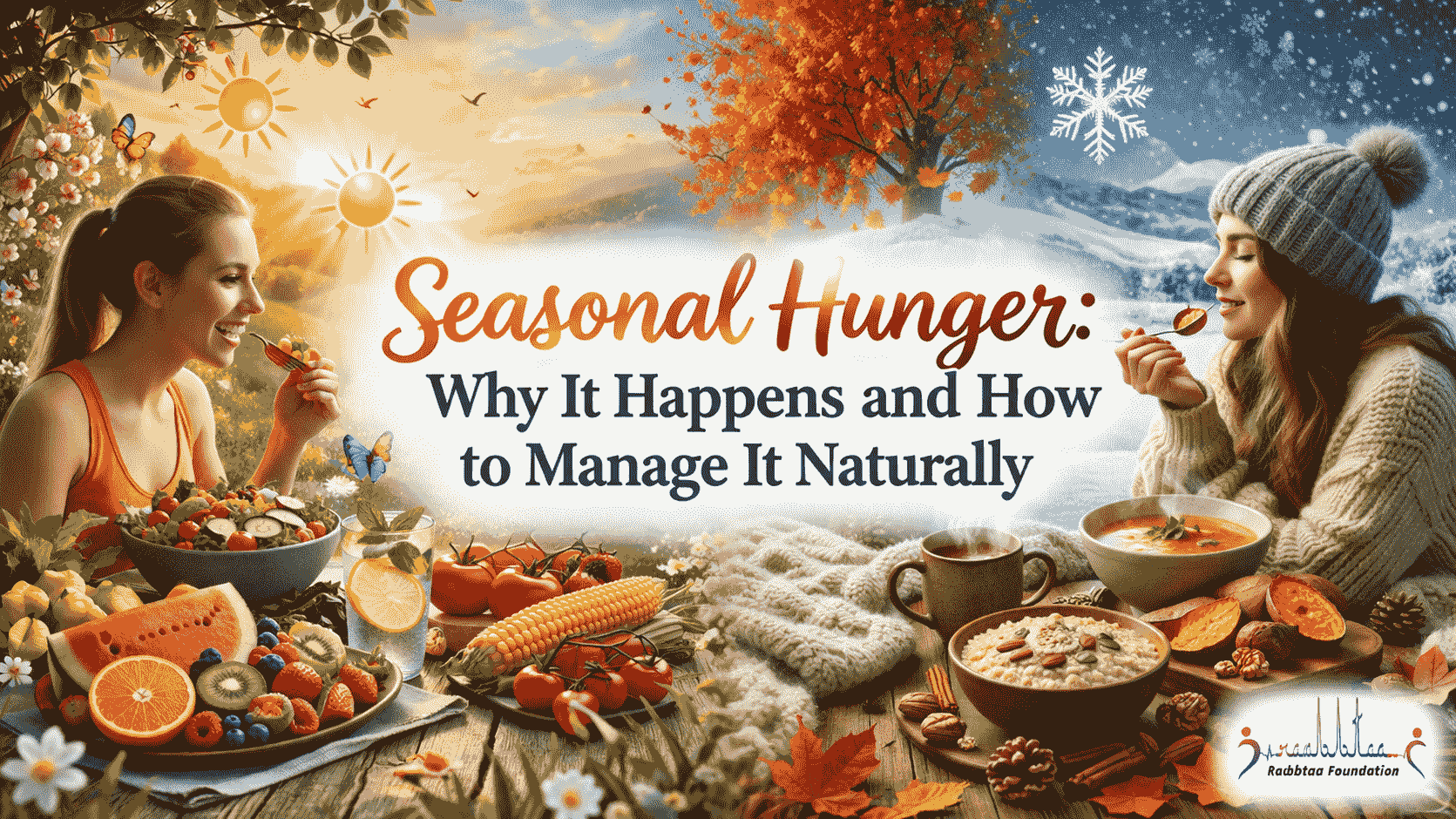
Seasonal hunger is a biological and behavioral phenomenon where appetite fluctuates depending on the time of year. Many people notice they feel hungrier in winter, crave lighter foods in summer, or experience sudden appetite shifts during seasonal transitions. While this may seem random, science shows these changes are linked to hormonal activity, environmental factors, metabolism, mood, and evolutionary survival mechanisms.
Understanding why seasonal hunger happens can help you manage cravings, maintain a balanced diet, and prevent unwanted weight gain or energy dips. This guide explains the physiological causes, psychological triggers, seasonal patterns, and practical strategies to stay in control of your appetite year-round.
What Is Seasonal Hunger?
Seasonal hunger refers to predictable variations in appetite influenced by seasonal changes in temperature, daylight, activity levels, and hormonal rhythms. Unlike random hunger spikes, seasonal appetite patterns tend to repeat annually.
Researchers in nutritional science and chronobiology have observed that humans—like animals—show cyclical eating behaviors. Historically, humans consumed more calories during colder months to store energy and fewer during warmer periods when food was scarce or heat suppressed appetite. Although modern food availability has changed, our biology still retains these patterns.
The Science Behind Seasonal Appetite Changes
Hormonal Fluctuations
Hormones play a major role in seasonal hunger. Key appetite-regulating hormones include:
Leptin: signals fullness
Ghrelin: stimulates hunger
Serotonin: influences mood and cravings
Melatonin: regulates sleep and seasonal rhythms
During colder months, melatonin production increases due to shorter daylight hours. This can indirectly increase hunger because sleep cycles, mood, and metabolism shift. Lower sunlight also reduces serotonin, which can trigger carbohydrate cravings.
Metabolic Adaptation to Temperature
Your body burns more energy in cold weather to maintain core temperature, a process known as thermogenesis. As energy expenditure rises, hunger signals increase to compensate. This is why people often feel hungrier during winter.
Conversely, in hot weather, metabolism slightly slows and appetite decreases because digestion generates heat. The body naturally prefers lighter meals to avoid overheating.
Circadian and Seasonal Rhythms
Human physiology operates on internal clocks called circadian rhythms. These rhythms sync with light exposure and seasonal cycles. When daylight decreases, your body shifts toward energy conservation mode, increasing appetite and cravings for calorie-dense foods.
This biological programming once helped humans survive winters when food was scarce. Today, however, easy access to high-calorie foods can lead to overeating instead of survival adaptation.
Seasonal Hunger Patterns by Season
Winter Appetite Increase
Winter is the season most strongly associated with increased hunger. Common reasons include:
Cold temperatures raising calorie needs
Reduced sunlight affecting mood hormones
Holiday traditions centered around rich foods
Less outdoor activity
People tend to crave carbohydrates, warm meals, and comfort foods during winter. These cravings are not simply emotional—they are partly driven by the body’s need for quick energy and serotonin boosts.
Spring Appetite Reset
Spring often brings a natural appetite decline. As daylight increases and temperatures rise, metabolism stabilizes and physical activity levels usually increase. Many people experience renewed motivation to eat lighter foods such as vegetables, fruits, and salads.
This seasonal shift can feel like a metabolic “reset,” making spring an ideal time to establish healthy eating habits.
Summer Appetite Suppression
Hot weather suppresses hunger because digestion produces heat. The body instinctively avoids heavy meals that raise internal temperature. Instead, people prefer:
Cold foods
Hydrating fruits
Smaller portions
Frequent snacks
Hydration also plays a role. Mild dehydration can reduce appetite signals, which partly explains why summer hunger often feels lower.
Autumn Hunger Preparation
Autumn is a transitional phase when appetite gradually increases again. Shorter days and cooler nights signal the body to prepare for winter. Many people notice cravings for hearty foods, grains, and warm meals during this period.
This seasonal hunger response mirrors ancient survival mechanisms that encouraged fat storage before cold seasons.
Psychological Factors That Influence Seasonal Hunger
Seasonal hunger is not purely biological. Psychological and environmental factors significantly affect appetite patterns.
Mood and Seasonal Affective Changes
Reduced sunlight in fall and winter can lead to lower mood levels. Some individuals experience seasonal mood shifts that increase emotional eating. Carbohydrate-rich foods boost serotonin temporarily, which explains why comfort foods feel especially appealing during darker months.
Lifestyle Changes
Seasonal routines influence hunger cues. For example:
Winter often involves indoor sedentary activities.
Summer encourages outdoor movement.
Holidays involve frequent meals and social eating.
Behavioral context can amplify or suppress natural hunger signals.
Cultural and Social Influences
Food traditions vary by season. Festive meals, seasonal produce availability, and cultural habits all shape appetite. Pumpkin-based foods in autumn or grilled meals in summer are examples of how environment and culture reinforce seasonal eating patterns.
Evolutionary Reasons Seasonal Hunger Exists
From an evolutionary standpoint, seasonal hunger is a survival adaptation. Early humans did not have constant access to food. Therefore, the body evolved mechanisms to:
Increase hunger when food might soon become scarce
Encourage fat storage before winter
Reduce appetite during heat to conserve water and energy
These adaptations helped humans survive harsh climates. Although modern life provides year-round food access, our biology still follows ancient programming.
Signs Your Hunger Is Seasonal (Not Emotional or Medical)
Recognizing seasonal hunger helps differentiate it from other appetite issues.
Indicators of seasonal hunger include:
Appetite changes occurring at the same time each year
Cravings aligned with weather shifts
Increased hunger during colder months only
Reduced appetite in hot weather
If hunger changes are sudden, extreme, or unrelated to seasons, they may be caused by stress, hormonal imbalance, or medical conditions. In such cases, professional evaluation is recommended.
How to Manage Seasonal Hunger Naturally
Seasonal appetite changes are normal, but managing them wisely prevents unhealthy weight fluctuations and energy crashes.
Adjust Calorie Intake Seasonally
Instead of eating the same amount year-round, adapt your intake to seasonal needs. Slightly higher calories in winter and lighter meals in summer align with natural metabolism patterns.
Prioritize Nutrient Density
When hunger increases, choose foods rich in nutrients rather than empty calories. Examples include:
Whole grains
Lean proteins
Vegetables
Healthy fats
Nutrient-dense foods satisfy hunger longer and stabilize blood sugar.
Maintain Consistent Physical Activity
Activity levels often drop in colder months. Maintaining exercise helps regulate appetite hormones and prevents excessive seasonal hunger.
Indoor workouts, walking, yoga, or resistance training can counterbalance winter appetite increases.
Optimize Light Exposure
Sunlight regulates hormones that influence hunger. Spending time outdoors during daylight hours helps maintain balanced appetite signals. In darker seasons, light therapy lamps may help regulate circadian rhythms.
Stay Hydrated Year-Round
Dehydration can mimic hunger signals. Drinking enough water ensures that increased appetite is genuine and not mistaken thirst.
Eat Balanced Meals
Meals that combine protein, fiber, and healthy fats reduce sudden hunger spikes. Balanced meals also prevent seasonal cravings for sugary foods.
Foods That Help Control Seasonal Cravings
Certain foods help regulate appetite regardless of season.
Best appetite-stabilizing foods:
Oats
Eggs
Lentils
Greek yogurt
Nuts
Leafy greens
These foods promote satiety hormones and maintain steady energy levels.
When Seasonal Hunger Becomes a Problem
Seasonal appetite changes can become problematic if they lead to:
Significant weight gain or loss
Binge eating patterns
Constant fatigue
Mood instability
If seasonal hunger begins affecting health or daily functioning, consulting a nutritionist or healthcare professional is advisable.
Seasonal Hunger vs Emotional Eating
Many people confuse seasonal hunger with emotional eating. The key difference lies in triggers.
Seasonal Hunger
Emotional Eating
Triggered by biological rhythms
Triggered by stress or emotions
Predictable yearly pattern
Random occurrences
Gradual appetite shifts
Sudden cravings
Satisfied by meals
Often persists after eating
Understanding this distinction helps you respond appropriately to hunger cues.
Tips to Build a Season-Proof Eating Routine
To maintain consistent health all year, create habits that adapt to seasonal changes rather than fight them.
Practical strategies:
Plan meals using seasonal produce.
Track appetite patterns across months.
Adjust meal size instead of snacking excessively.
Keep sleep schedules consistent.
Practice mindful eating.
Mindful eating is especially effective because it improves awareness of true hunger versus seasonal cravings.
The Role of Seasonal Foods in Appetite Regulation
Seasonal foods naturally support appetite balance because they match environmental needs.
Summer fruits hydrate and cool the body.
Winter root vegetables provide energy and warmth.
Spring greens aid detoxification.
Autumn grains support sustained energy.
Eating according to seasonal availability aligns nutrition with biological rhythms.
Can You Prevent Seasonal Hunger?
Seasonal hunger cannot be completely prevented because it is biologically programmed. However, it can be controlled and balanced. Instead of resisting appetite shifts, the goal should be to manage them intelligently.
Healthy coping methods include structured meals, regular activity, adequate sleep, and stress management. These habits stabilize hormones that regulate hunger.
Key Takeaways
Seasonal hunger is a natural biological response to environmental changes.
Hormones, temperature, daylight, and metabolism all influence appetite.
Hunger often increases in winter and decreases in summer.
Psychological and lifestyle factors also affect seasonal eating patterns.
Managing seasonal hunger requires balanced nutrition, activity, hydration, and light exposure.
Conclusion
Seasonal hunger is not a flaw or lack of willpower—it is an adaptive biological mechanism rooted in human evolution. Your body continuously responds to environmental signals such as temperature, sunlight, and activity levels. These signals influence hormones that regulate appetite, metabolism, and mood.
By understanding why seasonal hunger happens, you can work with your body instead of against it. Adjusting food choices, activity, and daily routines according to seasonal needs allows you to maintain steady energy, stable weight, and optimal health throughout the year.
When approached with awareness and strategy, seasonal appetite changes become a helpful guide rather than a challenge.