Navigating Health Insurance: Why Low-Income Families Need Coverage
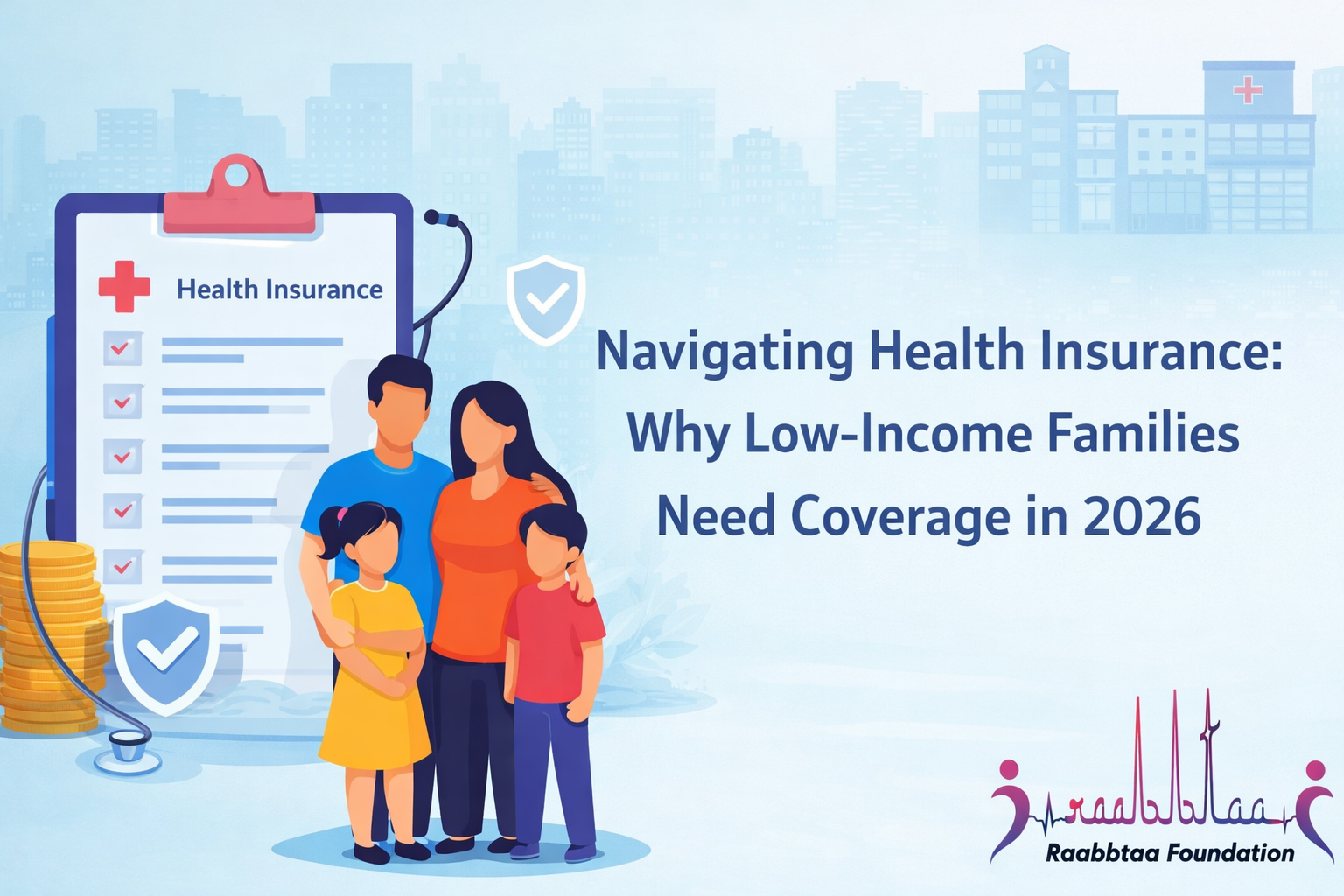
Health insurance is more than just a financial product. For many households, it is the difference between stability and crisis. In particular, health insurance for low-income families plays a vital role in protecting both health and finances.
Without proper coverage, even a minor medical issue can turn into a long-term financial burden. Therefore, understanding available options and benefits is critical. This guide explains why coverage matters, what programs are available, and how families can secure affordable protection.
Understanding the Importance of Health Insurance for Low-Income Families
Low-income households face unique challenges when it comes to healthcare access. Limited income often forces families to choose between essential expenses like food, rent, and medical care.
However, medical emergencies are unpredictable. A sudden hospitalization, chronic illness, or prescription need can create overwhelming debt.
Health insurance provides:
Financial protection against high medical bills
Access to preventive care services
Coverage for prescription medications
Mental health support
Pediatric care for children
As a result, insured families are more likely to seek early treatment, which reduces long-term healthcare costs.
The Financial Risks of Being Uninsured
Many families delay purchasing coverage because they believe it is unaffordable. Ironically, remaining uninsured is often far more expensive.
Rising Medical Costs
Healthcare costs continue to increase annually. A single emergency room visit can cost thousands of dollars. Hospital stays can easily exceed a family’s annual income.
Without affordable health insurance coverage, families must pay out-of-pocket. Consequently, many fall into debt or declare bankruptcy due to medical expenses.
Long-Term Debt Impact
Medical debt affects:
Credit scores
Housing stability
Employment opportunities
Financial security
Furthermore, unpaid medical bills may lead to collection actions. Health coverage helps prevent this cycle.
How Health Insurance Improves Healthcare Access
Access to healthcare is not only about emergencies. It also includes preventive services, screenings, and routine checkups.
When families have health insurance for low-income households, they are more likely to:
Schedule annual physical exams
Receive vaccinations
Monitor chronic conditions
Access maternal healthcare
Obtain pediatric checkups
Preventive care reduces severe illnesses later. Therefore, insurance supports both immediate and long-term well-being.
Government Programs Supporting Low-Income Families
Fortunately, several public programs exist to assist families who cannot afford private insurance.
Medicaid
Medicaid provides free or low-cost healthcare coverage to eligible low-income individuals and families.
Coverage typically includes:
Doctor visits
Hospital services
Laboratory tests
Prescription drugs
Maternity care
Eligibility depends on income level and household size. Each state manages its own Medicaid program, which means benefits may vary slightly.
Children’s Health Insurance Program (CHIP)
The Children’s Health Insurance Program (CHIP) helps families who earn too much to qualify for Medicaid but cannot afford private insurance.
CHIP covers:
Routine pediatric visits
Dental and vision care
Immunizations
Emergency services
Importantly, CHIP ensures children receive consistent medical attention during critical development years.
Marketplace Subsidies
Under the Affordable Care framework, families can purchase insurance through state or federal marketplaces. Many qualify for premium tax credits and cost-sharing reductions.
These subsidies significantly reduce monthly premiums and out-of-pocket costs.
As a result, marketplace plans offer practical low-income health insurance options.
The Role of Preventive Care in Family Stability
Preventive healthcare is one of the strongest arguments for maintaining coverage.
When families have consistent access to medical professionals, they can detect conditions early. Early detection lowers treatment costs and improves recovery outcomes.
Examples include:
Blood pressure screenings
Diabetes monitoring
Cancer screenings
Prenatal checkups
Moreover, preventive services are often covered at no additional cost under many insurance plans.
Therefore, coverage is not merely reactive—it is proactive protection.
Health Insurance and Children’s Development
Children require consistent healthcare for proper growth and development.
Without coverage, parents may postpone doctor visits. However, delayed care can result in:
Untreated infections
Developmental delays
Poor academic performance
Mental health challenges
Insurance ensures children receive vaccinations, regular checkups, and early intervention services.
Consequently, healthcare access for families directly influences educational success and long-term economic mobility.
Mental Health Support for Low-Income Families
Mental health is often overlooked in underserved communities. Yet financial stress increases the likelihood of anxiety, depression, and trauma-related conditions.
Health insurance provides access to:
Therapy sessions
Counseling services
Psychiatric care
Substance abuse treatment
In addition, early mental health intervention strengthens family relationships and community stability.
Myths About Health Insurance for Low-Income Families
Misinformation prevents many families from enrolling.
Myth 1: Insurance Is Too Expensive
In reality, Medicaid and CHIP often provide little to no monthly premiums.
Myth 2: Only Full-Time Workers Qualify
Eligibility depends on income level, not employment type.
Myth 3: The Application Process Is Impossible
While documentation is required, assistance programs make enrollment manageable.
By understanding the facts, families can make informed decisions.
Why Coverage Is a Long-Term Investment
Health insurance is not just an expense. It is an investment in stability.
Coverage protects against:
Unexpected surgeries
Chronic disease management costs
Prescription medication expenses
Long-term hospital stays
Over time, insured families experience fewer financial disruptions.
Additionally, consistent healthcare access improves life expectancy and quality of life.
The Social Impact of Healthcare Equity
Improved access leads to:
Lower infant mortality rates
Better maternal health outcomes
Reduced chronic disease rates
Healthier communities overall
Therefore, expanding financial protection through health coverage promotes social equity.
Tips for Maintaining Affordable Health Insurance Coverage
Once enrolled, families should take proactive steps to maintain coverage.
Report income changes promptly
Renew coverage annually
Review plan updates during open enrollment
Use preventive services regularly
Staying informed prevents coverage gaps and unexpected medical expenses.
Eligibility Criteria for Government Scholarships
Eligibility varies by program, but most government scholarships evaluate applicants using the following parameters:
Academic performance and transcripts
Citizenship or residency status
Age limits (for certain programs)
Field of study requirements
Financial background documentation
Language proficiency test scores
Always review official guidelines carefully before applying. Missing even one criterion can lead to automatic rejection.
Best Practices for Implementing Inclusive Education
To ensure long-term success, schools should adopt structured implementation strategies rather than isolated interventions.
Conduct Needs Assessments: Identify student requirements, available resources, and training gaps.
Develop Clear Policies: Establish guidelines for accommodations, assessments, and classroom practices.
Train Staff Regularly: Provide ongoing professional learning opportunities.
Engage Stakeholders: Include parents, specialists, and community members in decision-making.
Monitor Progress: Use data and feedback to evaluate effectiveness and refine strategies.
These steps create a sustainable framework for inclusive learning environments.
Inclusive Education and Modern Technology
Digital innovation has revolutionized inclusive education. Modern classrooms can now integrate tools that personalize instruction and remove learning barriers.
Examples of impactful technologies:
Adaptive learning platforms that adjust difficulty levels automatically
Screen readers for students with reading challenges
Interactive whiteboards for visual learners
Organizational apps that assist with planning and time management
When used strategically, technology enhances independence and engagement for students with learning disabilities.
Conclusion : Health Insurance Is Essential for Low-Income Families
Health insurance for low-income families provides:
Financial security
Access to preventive care
Mental health support
Pediatric healthcare
Protection against catastrophic expenses
With public programs, subsidies, and enrollment assistance available, coverage is more accessible than ever.
Ultimately, securing affordable health insurance coverage strengthens families, protects children, and builds healthier communities.
Investing in health coverage today ensures stability tomorrow.