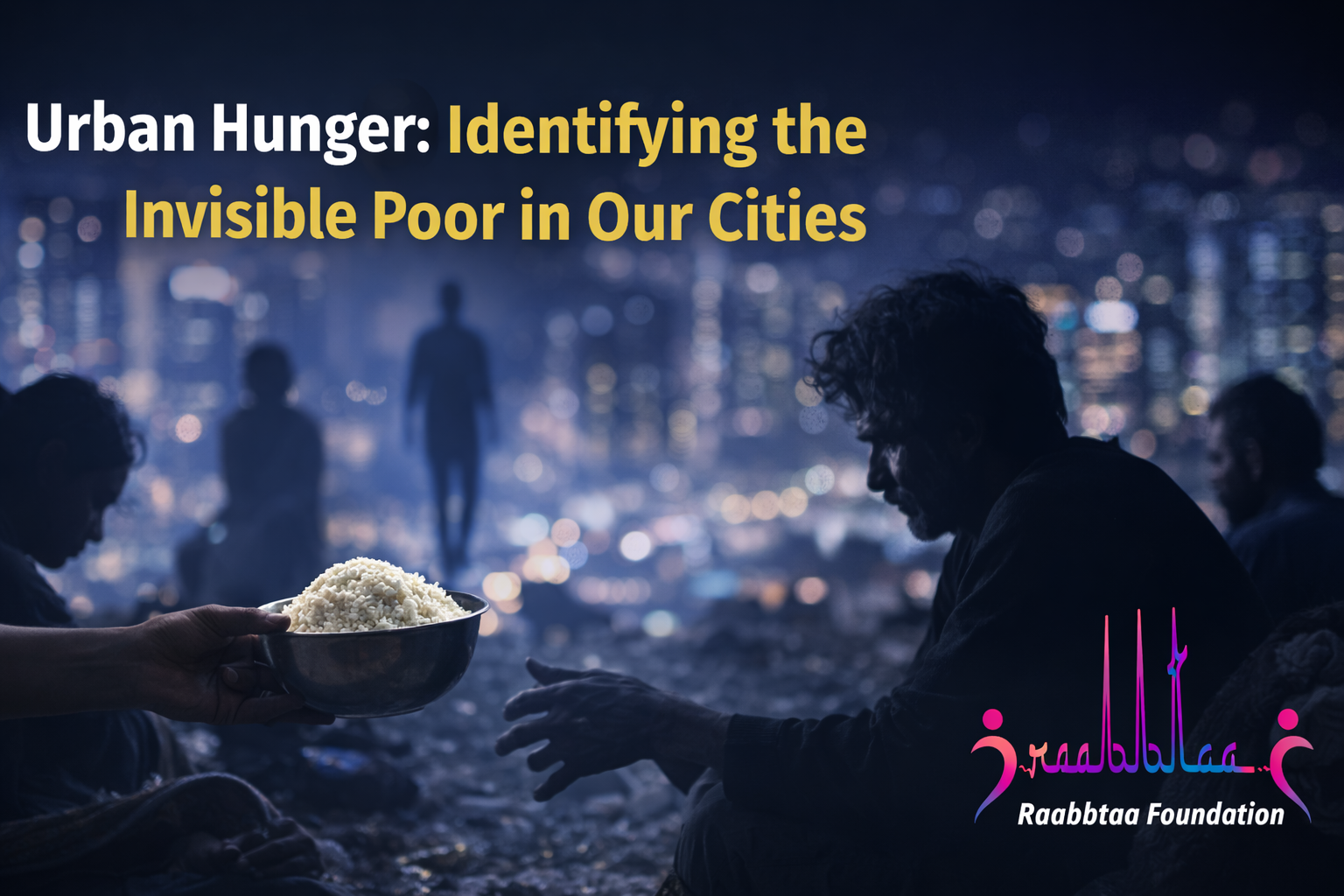
Urban Hunger: Identifying the Invisible Poor in Our Cities
Urban hunger is a growing crisis hiding in plain sight. While cities are often seen as centers of opportunity, development, and prosperity, millions of people struggle daily with food insecurity in cities. The problem of urban hunger affects families living in slums, migrant workers, daily wage earners, homeless individuals, and even the working poor.
Unlike rural poverty, which is often visible and documented, the invisible poor in cities remain unnoticed. They live next door, work in our markets, clean our offices, and build our infrastructure — yet they struggle to afford a single nutritious meal.
In this article, we will explore the causes of urban hunger, who the invisible poor are, why hunger in urban areas is increasing, and what practical solutions can help solve this silent crisis.
What Is Urban Hunger?
Urban hunger refers to food insecurity experienced by people living in cities and metropolitan areas. It occurs when individuals or families lack reliable access to sufficient, affordable, and nutritious food.
Urban hunger is not just about starvation. It also includes:
* Skipping meals due to financial constraints
* Eating low-quality, unhealthy food
* Malnutrition among children
* Hidden undernutrition
* Dependence on food donations
Unlike rural communities where people may grow their own food, city residents depend almost entirely on purchased food. This makes them highly vulnerable to inflation, job loss, and economic shocks.
Who Are the Invisible Poor in Cities?
The invisible poor in cities are individuals who may not appear homeless or visibly destitute but still struggle with urban food insecurity. They include:
1. Daily Wage Workers
Construction laborers, street vendors, drivers, and domestic helpers often earn irregular incomes. When work stops, food stops.
2. Migrant Workers
Many migrants move to cities seeking better opportunities. However, without proper documentation or stable housing, they face hunger in urban areas.
3. The Working Poor
Even full-time workers can experience urban hunger if wages do not match rising living costs.
4. Elderly People Living Alone
Senior citizens without family support often face food insecurity in cities due to limited income and mobility issues.
5. Women and Children in Informal Settlements
Women and children are disproportionately affected by malnutrition and poor access to healthy meals.
These groups remain invisible because they may appear “normal” on the outside but struggle privately.
Major Causes of Urban Hunger
Understanding the causes of urban hunger is essential for developing solutions.
1. Rising Cost of Living
Urban areas have high rent, transport, and utility costs. Food often becomes the flexible expense that families reduce first.
2. Job Insecurity
Informal sector workers lack stable employment contracts. One illness or crisis can push them into severe hunger.
3. Food Inflation
When food prices rise faster than wages, urban food insecurity increases rapidly.
4. Lack of Social Safety Nets
Many urban poor lack access to government welfare programs due to documentation issues.
5. Housing and Rent Burden
In cities, rent can consume up to 50% of household income, leaving little for nutritious food.
The Hidden Face of Urban Food Insecurity
Urban hunger does not always look like extreme starvation. Instead, it appears as:
* Children lacking protein in their diets
* Families eating only rice or bread daily
* Mothers skipping meals to feed children
* People relying on street food because it is cheaper
This hidden malnutrition affects long-term health, productivity, and education outcomes.
Impact of Urban Hunger on Society
Urban hunger has far-reaching consequences beyond individual suffering.
1. Health Problems
Malnutrition leads to weakened immunity, anemia, diabetes, and other chronic illnesses.
2. Reduced Productivity
Hungry workers cannot perform efficiently, affecting the economy.
3. Educational Disruption
Hungry children struggle to concentrate and perform poorly in school.
4. Increased Crime and Social Instability
Extreme hunger and poverty can contribute to desperation and social tension.
Addressing urban hunger is not just charity — it is an economic and social necessity.
Why Urban Hunger Is Increasing
Urbanization is accelerating worldwide. More people move to cities every year. However, infrastructure and social systems are not keeping pace.
Key reasons urban hunger is rising:
* Rapid population growth
* Economic inequality
* Climate-related disruptions
* Pandemic aftereffects
* Global supply chain instability
As cities expand, the invisible poor in cities grow in number.
Urban Hunger vs Rural Hunger: Key Differences
While both are serious issues, they differ significantly.
| Urban Hunger | Rural Hunger |
| —————————- | —————————— |
| Dependence on purchased food | Some access to self-grown food |
| Higher living expenses | Lower cost of living |
| Informal job dependence | Agriculture-based income |
| Limited community networks | Stronger rural support systems |
Urban hunger can escalate faster because city residents lack fallback food sources.
How Communities Can Identify the Invisible Poor
Identifying the invisible poor in cities requires community involvement.
1. School Monitoring Programs
Teachers can identify children showing signs of malnutrition.
Conclusion
Indian weddings are celebrations of joy, culture, and togetherness. However, the tradition of abundance should not lead to unnecessary waste. By planning carefully, working with responsible caterers, and donating surplus food, families can ensure that their celebrations benefit society rather than burden it.
Managing leftover food at Indian weddings is not just about saving money—it is about respecting resources, protecting the environment, and helping those in need. With awareness and planning, every wedding can become a responsible and sustainable celebration.