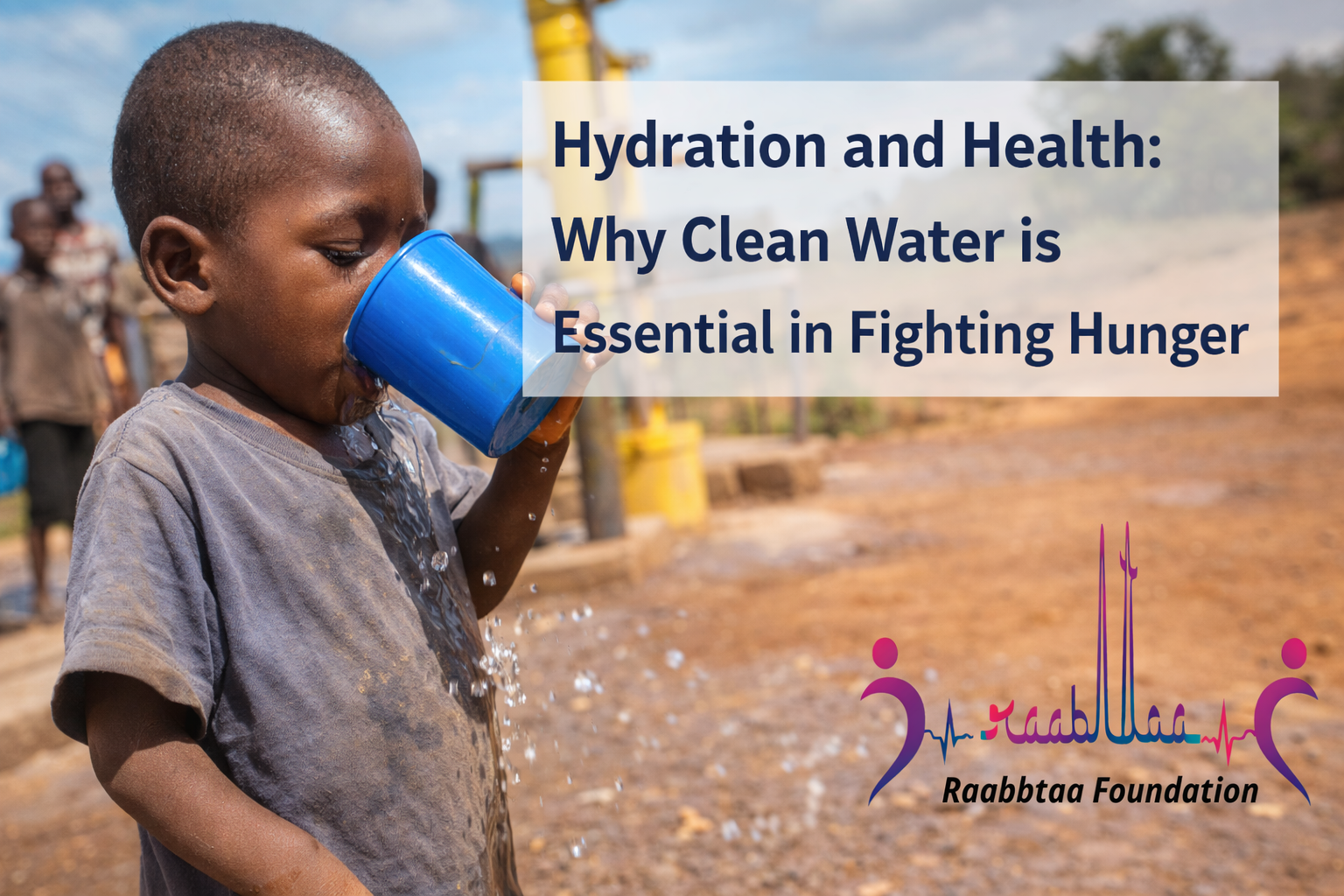
Hydration and Health: Why Clean Water is Part of Fighting Hunger
Access to clean water is often seen as a basic necessity. However, its role goes far beyond quenching thirst. **Hydration and clean water in fighting hunger** are deeply connected. Without safe drinking water, communities cannot grow food, absorb nutrients properly, or maintain good health.
In fact, hunger is not only about the lack of food. It is also about the lack of clean water. When people suffer from dehydration or waterborne diseases, their bodies cannot process nutrients effectively. As a result, malnutrition increases—even when food is available.
Therefore, understanding the connection between hydration, health, and hunger is essential for building a healthier and more food-secure world.
Understanding the Link Between Hydration and Hunger
Many people separate hunger and thirst. However, the body does not work that way. Water is required for digestion, nutrient absorption, and metabolism. Without proper hydration, even nutritious food cannot provide its full benefits.
Water Helps the Body Absorb Nutrients
When a person eats food, the body breaks it down into nutrients. These nutrients travel through the bloodstream. Since blood plasma is mostly water, dehydration slows down nutrient transport. Consequently, the body becomes weak and undernourished.
In other words, food alone is not enough. Clean water ensures that nutrients reach every cell in the body.
Dehydration Reduces Appetite and Energy
Dehydration often leads to fatigue and reduced appetite. Children, especially, may eat less when they are dehydrated. Over time, this can result in stunted growth and malnutrition.
Thus, **the importance of hydration for health** cannot be ignored in hunger prevention programs.
Clean Water and Food Security
Food security means having reliable access to sufficient, safe, and nutritious food. However, clean water and food security are closely linked.
Agriculture Depends on Water
Farmers need water to grow crops and raise livestock. Without reliable water sources:
* Crop yields decline
* Livestock health deteriorates
* Food prices increase
As a result, communities face food shortages. Climate change has further intensified droughts, making access to water even more critical.
Irrigation Improves Food Production
Regions with proper irrigation systems produce more food. Moreover, water management reduces crop failure risks. Therefore, investing in water infrastructure directly supports hunger reduction.
The Role of Clean Water in Preventing Malnutrition
Malnutrition is not just caused by insufficient food. Contaminated water plays a significant role.
Waterborne Diseases Increase Nutrient Loss
Unsafe drinking water often contains bacteria, viruses, and parasites. These pathogens cause diseases such as:
* Diarrhea
* Cholera
* Dysentery
Frequent diarrhea prevents the body from absorbing nutrients. Even if a child eats regularly, illness can lead to severe malnutrition.
Children Are Most Vulnerable
According to global health studies, millions of children suffer from stunting due to repeated infections caused by unsafe water. Clean water reduces disease exposure and improves overall nutritional outcomes.
Therefore, **safe drinking water benefits** extend far beyond hydration—they save lives.
Hydration and Women’s Health
Women and girls are often responsible for collecting water in many communities. Unfortunately, this task can limit educational and economic opportunities.
Impact on Pregnant Women
Pregnant women require extra hydration to support fetal development. Dehydration during pregnancy may lead to complications such as:
* Low birth weight
* Premature delivery
* Increased maternal fatigue
Access to clean water supports maternal and child health, reducing hunger-related complications.
Reducing Physical Burden
When clean water is available nearby, women spend less time collecting it. Consequently, they can focus on income-generating activities, education, and childcare—further improving household nutrition.
The Economic Impact of Clean Water
Hydration and clean water in fighting hunger also have economic benefits.
Improved Productivity
Healthy individuals are more productive. Workers who have access to safe drinking water experience fewer sick days. This improves:
* Workplace efficiency
* Agricultural output
* Community income levels
Higher income allows families to purchase nutritious food consistently.
Lower Healthcare Costs
Treating waterborne diseases can be expensive. By preventing illness, clean water reduces medical expenses. Families can then allocate resources toward food and education instead of healthcare bills.
Schools, Hydration, and Childhood Nutrition
Schools play a vital role in hunger prevention programs. However, access to clean water is equally important.
Better Learning Outcomes
Children who are well-hydrated concentrate better. Dehydration can cause headaches, fatigue, and difficulty focusing. Therefore, hydration supports both education and nutrition programs.
School Meal Effectiveness
Many schools provide meals to combat hunger. Yet, without safe drinking water, these meals cannot deliver maximum nutritional benefits. Clean water ensures proper digestion and absorption.
5. Take Online Courses or Training
Many free and paid courses teach **English for the workplace**. These courses cover:
* Business vocabulary
* Email writing
* Professional speaking
Structured learning accelerates improvement.
Climate Change, Water Scarcity, and Hunger
Climate change has increased water scarcity worldwide. Droughts, floods, and extreme weather events disrupt both water supply and food production.
Drought and Crop Failure
Extended drought reduces crop yields. Consequently, food becomes scarce and expensive. Small-scale farmers are particularly vulnerable.
Flooding and Water Contamination
Floods can contaminate water sources with sewage and chemicals. This increases the spread of disease and worsens malnutrition.
Therefore, climate resilience strategies must include water management solutions.
Practical Solutions to Improve Hydration and Reduce Hunger
Addressing hunger requires integrated solutions that include water access.
Investing in Water Infrastructure
Governments and organizations can:
* Build wells and boreholes
* Install water purification systems
* Develop sustainable irrigation networks
These initiatives strengthen both nutrition and public health.
Promoting Hygiene Education
Teaching communities about safe water storage and handwashing reduces contamination. As a result, disease rates decline and nutritional outcomes improve.
Supporting Community-Based Programs
Local programs that combine food distribution with clean water access are more effective than isolated efforts.
The Global Goal of Clean Water and Zero Hunger
The United Nations Sustainable Development Goals (SDGs) include:
* SDG 2: Zero Hunger
* SDG 6: Clean Water and Sanitation
These goals are interconnected. Achieving zero hunger is impossible without ensuring universal access to safe drinking water.
Why Clean Water Must Be Part of Every Hunger Initiative
Organizations fighting hunger often focus primarily on food aid. While food distribution is important, it is not sufficient.
Programs should include:
* Clean water access
* Sanitation facilities
* Nutrition education
* Agricultural support
This holistic approach ensures long-term solutions rather than temporary relief.
How Individuals Can Help
You do not need to be a large organization to make a difference.
Support Clean Water Charities
Donating to organizations that provide safe drinking water helps reduce hunger globally.
Raise Awareness
Sharing information about the link between hydration and hunger encourages community action.
Conserve Water
Simple actions such as reducing water waste contribute to sustainable water availability.
Conclusion: Clean Water is Food Security
Hydration and clean water in fighting hunger are inseparable. Food alone cannot solve malnutrition. Without safe drinking water, the body cannot absorb nutrients, fight disease, or maintain energy levels.
Moreover, clean water strengthens agriculture, supports economic growth, improves education, and protects vulnerable populations. Therefore, every hunger relief initiative must prioritize water access.
In conclusion, **clean water is not just a health necessity—it is a powerful weapon against hunger.** By ensuring universal access to safe drinking water, we take a significant step toward a healthier and hunger-free world.