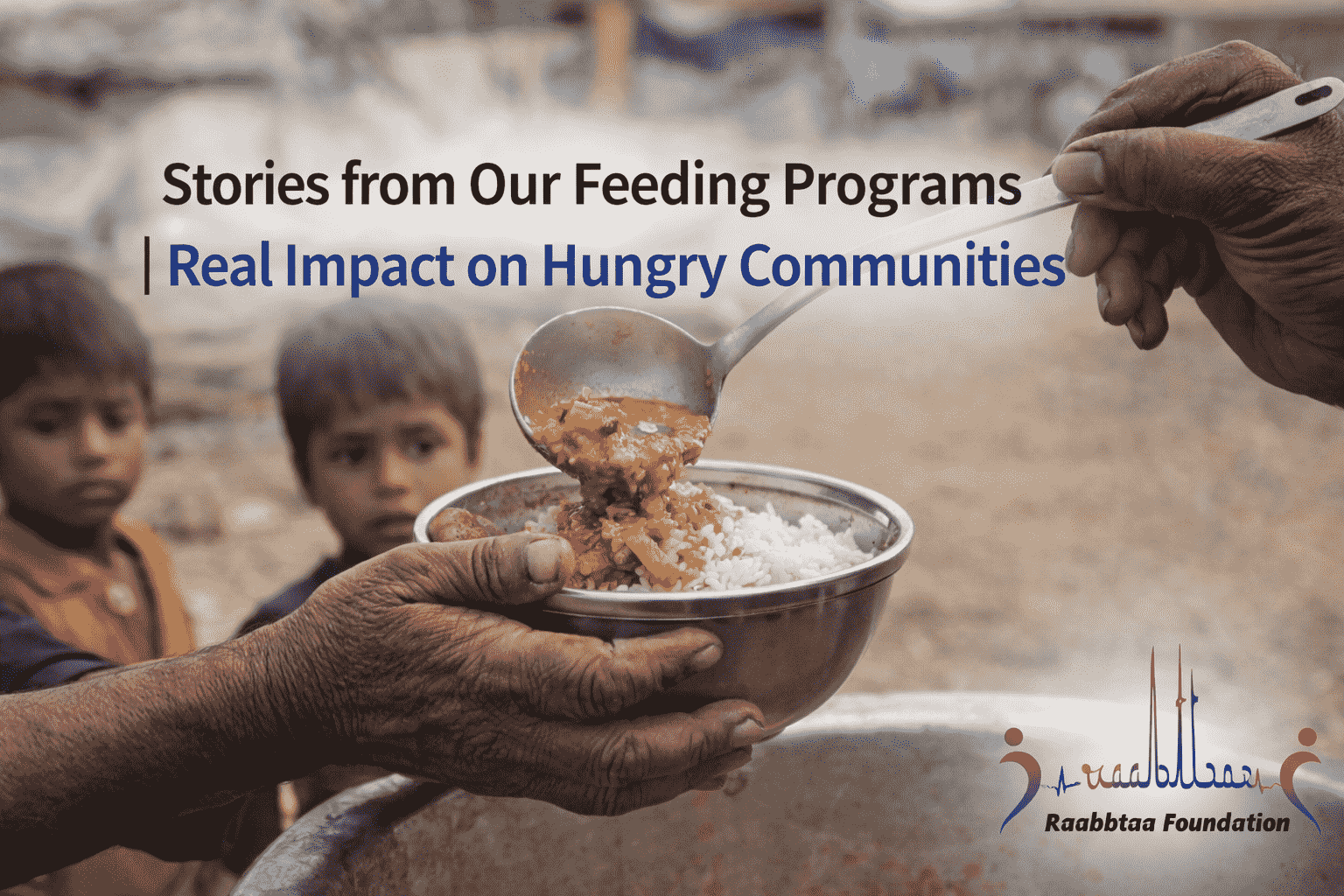
Hunger is more than an empty stomach. It affects health, education, dignity, and opportunity. Across underserved communities, access to nutritious meals can mean the difference between survival and stability. That is why stories from our feeding programs matter. They show real impact, real people, and real transformation.
In this article, we share firsthand accounts from beneficiaries, volunteers, and coordinators. These stories demonstrate how food assistance programs not only feed individuals but also rebuild hope, strengthen families, and uplift entire communities.
Why Sharing Stories from Our Feeding Programs Matters
Stories connect people emotionally. Statistics inform, but personal experiences inspire action. When readers learn how a meal changed someone’s life, they understand the value of food initiatives in a deeper way.
Moreover, stories from our feeding programs highlight transparency. They show donors and supporters exactly how resources are used. They also reinforce accountability by demonstrating measurable results in real communities.
Most importantly, these narratives restore dignity. Instead of portraying hunger only as a problem, they show resilience, strength, and determination among those receiving support.
A Mother’s Story: From Skipping Meals to Providing for Her Children
Before the Feeding Program
Maria, a single mother of three, struggled daily to provide meals. She often skipped dinner so her children could eat. Food insecurity affected her children’s school performance, energy levels, and emotional well-being. Every day felt uncertain.
After Joining the Program
After enrolling in one of our feeding programs, Maria’s family began receiving regular nutritious meals. Within weeks, her children showed noticeable improvements in health and concentration. They became more active in school and more confident socially.
Maria shared that the program gave her more than food. It gave her peace of mind. Because she no longer worried about meals, she could focus on finding stable employment. Today, she works part-time and continues to build financial independence.
A Child’s Journey: Nutrition and Education Go Hand in Hand
The Challenge of Hunger in Schools
Children cannot learn effectively when they are hungry. Teachers frequently report that students facing food insecurity struggle with attention, attendance, and academic performance.
One student, Daniel, often arrived at school tired and distracted. His teachers noticed he lacked energy and rarely participated in class activities.
The Transformation Through School Feeding
After Daniel joined our school feeding initiative, his progress became clear. He began arriving early, completing assignments, and participating actively in lessons. His grades improved significantly within a semester.
Daniel’s teacher explained that regular meals increased not only his physical energy but also his confidence. This story from our feeding programs illustrates how nutrition directly supports education and long-term opportunity.
Community Impact: Feeding Programs That Strengthen Neighborhoods
Stories from our feeding programs do not only focus on individuals. Entire communities benefit when food security improves. When families receive reliable meals, they can allocate income toward housing, education, and healthcare.
Local leaders often observe reduced stress levels and stronger community cooperation. Shared meal distributions bring neighbors together, fostering trust and mutual support. In many areas, these programs become gathering points where people exchange resources, information, and encouragement.
As a result, feeding initiatives serve as catalysts for broader social development.
Volunteer Perspectives: Witnessing Change Firsthand
Motivation to Serve
Volunteers frequently say they joined simply to help others. However, many describe the experience as life-changing for themselves as well. They witness gratitude, resilience, and joy in people facing hardship.
A Volunteer’s Reflection
James, a long-time volunteer, recalls one distribution day when a young boy hugged him after receiving a meal box. The boy said it was the first full meal his family would have that week. Moments like this remind volunteers why their work matters.
Stories from our feeding programs often include these volunteer experiences because they reveal the human connection behind every distribution. They also encourage others to get involved.
Rural Outreach Story: Reaching the Hardest-to-Reach Families
Remote villages often face the greatest barriers to food access. Transportation challenges, limited markets, and seasonal employment can make regular meals difficult to obtain.
In one rural region, our outreach team travels several hours each week to deliver food supplies. One elderly recipient, Ahmed, lives alone and cannot travel to town. Before the program began, he relied on occasional help from neighbors.
Now, he receives consistent food packages. He reports improved health and renewed optimism. This story from our feeding programs highlights the importance of reaching vulnerable individuals who might otherwise be overlooked.
How Feeding Programs Support Long-Term Development
Food assistance is sometimes misunderstood as a temporary solution. However, effective feeding initiatives are designed to promote long-term stability.
They often include complementary services such as:
Nutrition education
Job training referrals
Health screenings
Community workshops
These integrated approaches ensure that food support becomes a stepping stone rather than a permanent dependency. Many participants eventually transition from receiving aid to contributing as volunteers or donors.
The Role of Nutrition Quality in Feeding Programs
Not all meals are equal. Balanced nutrition is essential for physical growth, cognitive function, and immune strength. Therefore, our feeding programs prioritize nutrient-rich foods instead of simply distributing calories.
Meals typically include:
Protein sources for muscle development
Whole grains for sustained energy
Fruits and vegetables for vitamins
Healthy fats for brain health
Beneficiaries often report fewer illnesses and higher energy levels after consistent participation. These health improvements demonstrate that quality nutrition is just as important as quantity.
Measuring Success Through Real Stories
While data and metrics remain important, stories from our feeding programs provide qualitative evidence of success. Personal narratives reveal outcomes that numbers alone cannot capture, such as restored confidence, reduced anxiety, and renewed motivation.
Program coordinators collect feedback through interviews and community meetings. They use these insights to refine services, improve distribution methods, and better meet local needs.
Because of this feedback loop, each story contributes to program development and effectiveness.
Overcoming Challenges in Food Distribution
Operating feeding programs involves logistical and operational challenges. Weather conditions, transportation costs, and supply chain disruptions can affect delivery schedules. Nevertheless, dedicated teams work tirelessly to ensure meals reach recipients on time.
Community partnerships play a crucial role. Local organizations, farmers, and businesses often collaborate to maintain food supplies. These partnerships strengthen program resilience and sustainability.
Stories from our feeding programs frequently highlight these behind-the-scenes efforts, reminding readers that every meal delivered represents teamwork and commitment.
Cultural Sensitivity in Meal Planning
Respecting cultural preferences is essential for successful feeding initiatives. Meals must align with local dietary customs, religious practices, and traditional foods. Otherwise, recipients may feel disconnected from the assistance.
Program planners consult community leaders and residents before designing menus. This collaborative approach ensures meals are both nutritious and culturally appropriate. It also builds trust between organizers and participants.
How Donor Support Turns Stories Into Reality
Every success story begins with support from donors and partners. Financial contributions, food donations, and volunteer time all help sustain feeding programs. Without this support, many families would continue facing hunger.
Donors often express appreciation when they read stories from our feeding programs. Seeing tangible results reassures them that their contributions create meaningful change. Transparency and storytelling therefore strengthen relationships between organizations and supporters.
Inspiring Hope Through Shared Experiences
Hope is a powerful force. When individuals hear about others who overcame hunger, they believe change is possible for themselves as well. Stories create a ripple effect of encouragement across communities.
Recipients frequently become advocates who share their experiences with neighbors. This word-of-mouth outreach helps identify additional families in need and connects them to available resources.
Lessons Learned from Stories on the Ground
Over time, several key lessons have emerged from stories collected across feeding initiatives:
Consistency matters more than scale. Reliable support builds trust.
Community involvement improves program success.
Nutrition education enhances long-term outcomes.
Respect and dignity are as important as food.
These insights guide future planning and ensure that programs continue evolving to meet real needs.
Conclusion: Stories That Prove Change Is Possible
Stories from our feeding programs demonstrate the real impact of compassion in action. They reveal how a simple meal can restore strength, confidence, and hope. From mothers rebuilding stability to children thriving in school, each story represents a life transformed.
Hunger remains a serious global challenge. However, these narratives remind us that solutions exist and progress is happening every day. With continued support, collaboration, and dedication, many more success stories will be written in the years ahead.