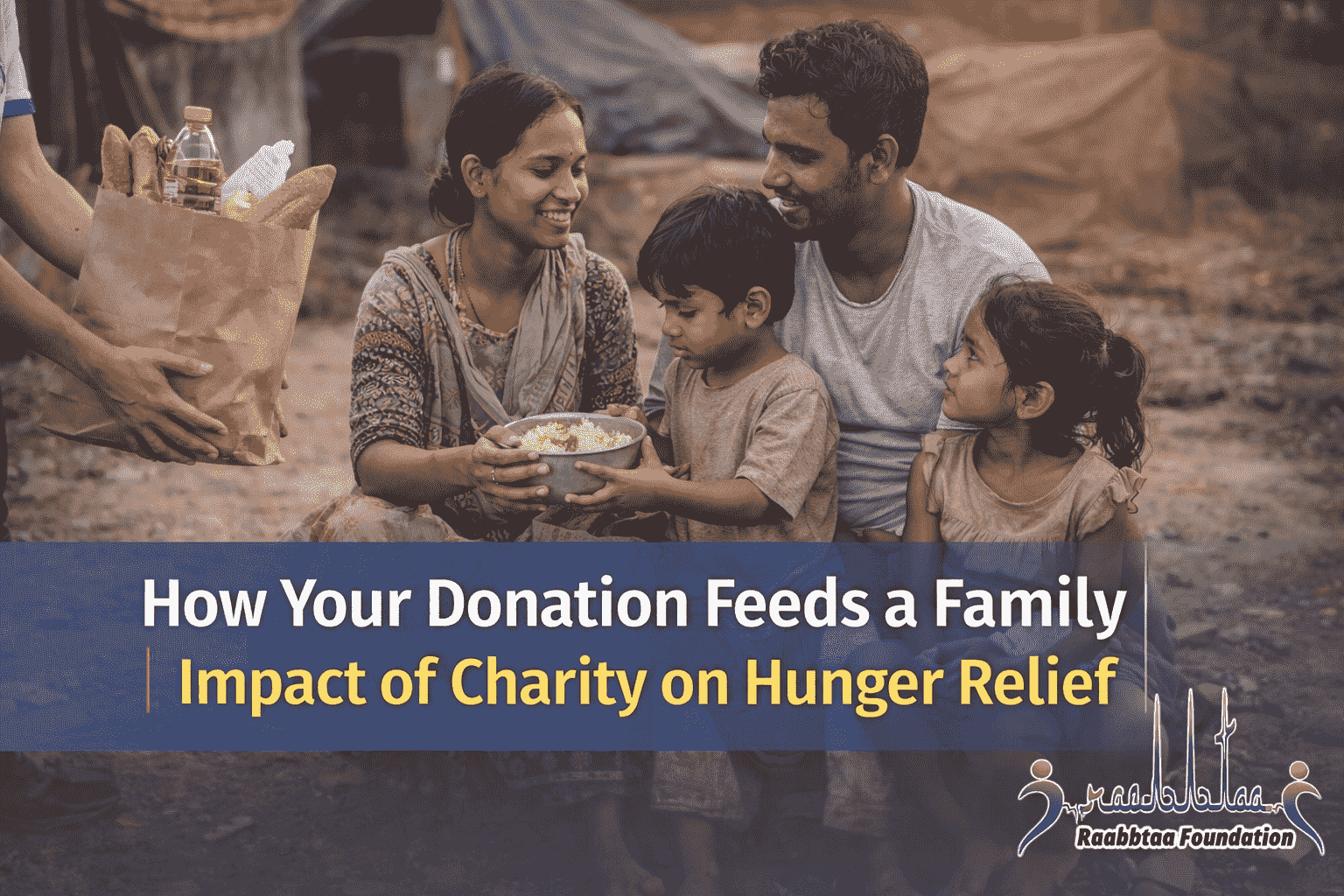
Hunger remains one of the most serious challenges facing millions of families around the world. Every day, parents struggle to provide basic meals for their children, and many households live with the uncertainty of not knowing where their next meal will come from. However, one simple act—donation—can change this reality.
Understanding how your donation feeds a family is important because it helps you see the real impact of your generosity. Whether you donate money, food, or resources, your contribution directly supports families in need, improves health, and strengthens communities.
In this article, we will explore how donations help feed families, why food assistance matters, and how even small contributions can create a lasting impact.
Why Hunger Is Still a Global Challenge
Despite advances in agriculture and technology, hunger continues to affect millions of people. Several factors contribute to food insecurity, including poverty, unemployment, rising food prices, and natural disasters.
Many families live on limited incomes that barely cover rent, utilities, and education expenses. As a result, food often becomes the most difficult necessity to afford. Children in such households may suffer from malnutrition, which can affect their physical growth and academic performance.
Therefore, donations play a crucial role in bridging this gap and ensuring that vulnerable families receive nutritious meals.
Why Small Donations Matter
One of the biggest misconceptions is that only large donations make a difference. In reality, small contributions from many people create a powerful impact.
For example:
* A small donation can provide staple food for a day.
* A moderate donation can feed a family for a week.
* Regular donations can support long-term food programs.
Therefore, consistency is often more valuable than the amount itself. When many people contribute together, hunger relief programs become sustainable.
Transparency and Trust in Donations
Many donors want to know how their contributions are used. Reputable organizations ensure transparency by:
* Providing regular reports
* Sharing distribution updates
* Maintaining clear records of expenses
* Showing real stories of families helped
Transparency builds trust and encourages more people to participate in charity efforts.
How Donations Strengthen Communities
Feeding families does more than solve hunger—it strengthens entire communities.
When basic needs are met:
* Families become more productive.
* Children perform better in school.
* Health expenses decrease.
* Local economies improve.
As a result, donations contribute to long-term social and economic stability.
Religious and Moral Importance of Feeding the Hungry
In many cultures and religions, feeding the hungry is considered one of the most virtuous acts. It is seen as a way to show compassion, gratitude, and responsibility toward society.
Helping someone in need not only benefits the recipient but also brings a sense of fulfillment and purpose to the giver.
Real-Life Examples of Donation Impact
Across the world, donation programs have successfully fed thousands of families.
* Food banks distribute millions of meals every year.
* Ramadan and festival drives provide meals to low-income households.
* School meal programs ensure children receive at least one nutritious meal daily.
These examples show that collective effort can significantly reduce hunger.
How You Can Start Helping Today
If you want to make a difference, here are simple steps you can take:
1. Choose a trusted charity or local organization.
2. Decide whether you want to donate money, food, or time.
3. Start with a small but regular contribution.
4. Encourage friends and family to participate.
Even one meal can make a meaningful difference in someone’s life.
Tips for Making Your Donation More Effective
To maximize the impact of your donation:
* Donate regularly instead of once a year.
* Support organizations that focus on nutrition as well as quantity.
* Consider funding programs that promote self-sufficiency.
* Stay informed about how your donation is being used.
These steps ensure that your contribution creates lasting change.
The Future of Hunger Relief
The Future of Hunger Relief
Technology and innovation are improving hunger relief programs. Digital donation platforms, supply chain tracking, and community partnerships are making it easier to reach families in need.
However, the most important factor remains human compassion. Donations, no matter how small, continue to be the backbone of food assistance programs worldwide.
Conclusion: Every Donation Makes a Difference
Understanding **how your donation feeds a family** helps us realize the power of collective action. A single contribution may seem small, but when combined with others, it can provide meals, improve health, and give hope to families in need.
Hunger is a challenge that can be reduced through awareness, generosity, and community support. By donating, volunteering, or simply spreading the message, you become part of the solution.
Remember, feeding a family is not just about providing food—it is about restoring dignity, hope, and opportunity for a better future.