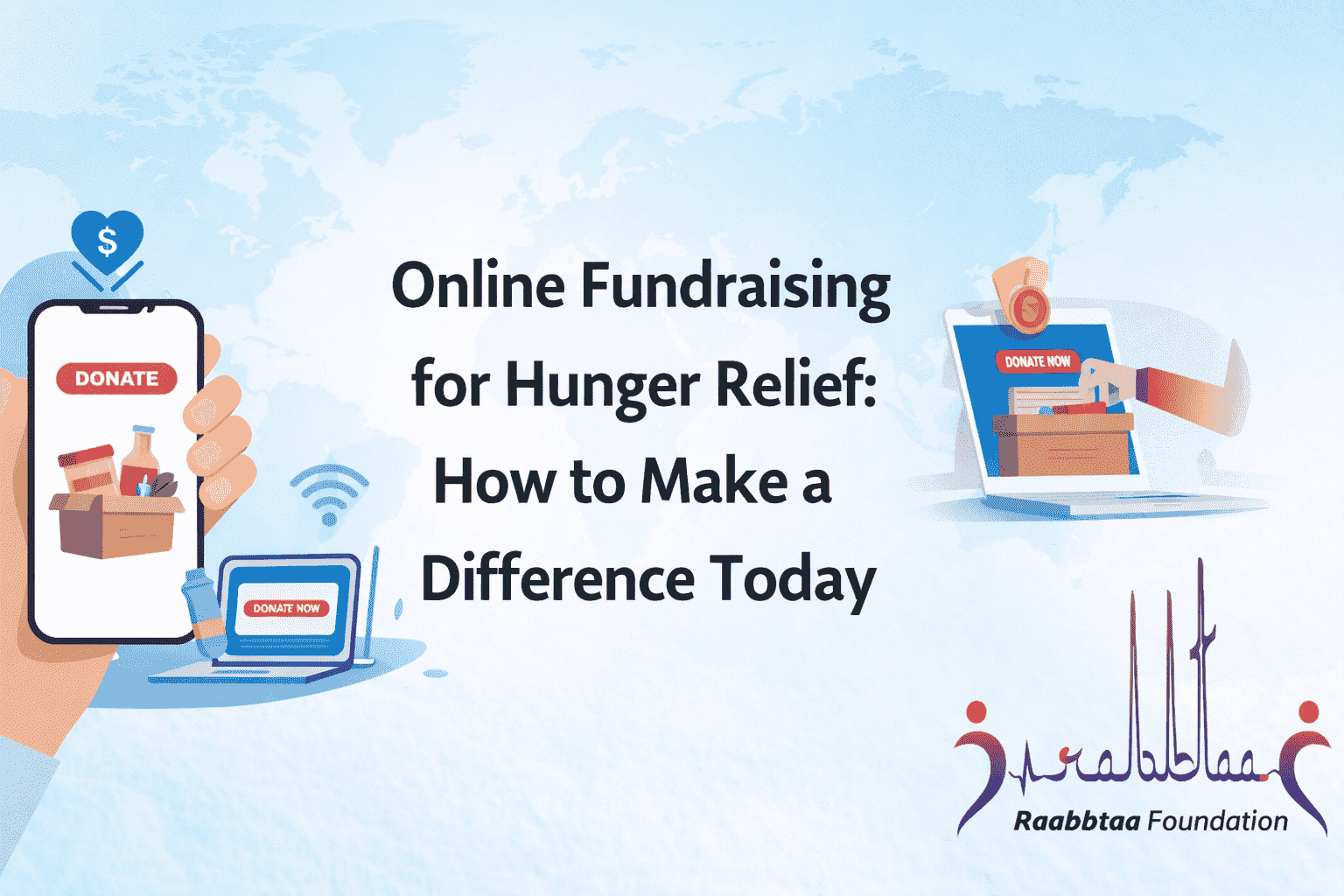
Hunger is a pressing global issue affecting millions of people every day. According to the United Nations, over **820 million people** suffer from hunger worldwide, with children being the most vulnerable. While governments and NGOs are working tirelessly to address food insecurity, the power of **online fundraising for hunger relief** cannot be underestimated. Digital campaigns provide a platform for individuals, communities, and organizations to make a tangible difference.
In this article, we’ll explore the importance of online fundraising for hunger relief, strategies to create effective campaigns, success stories, and actionable steps to get involved.
Why Online Fundraising Matters in the Fight Against Hunger
The Global Hunger Crisis
Hunger is more than just a lack of food; it is a complex problem influenced by poverty, conflict, climate change, and economic instability. Millions of people struggle to access nutritious food, leading to malnutrition, stunted growth in children, and long-term health issues. Traditional aid programs, while essential, often cannot reach every affected individual.
The Power of Digital Campaigns
Online fundraising provides a platform to reach a global audience instantly. Social media, crowdfunding platforms, and email campaigns allow charities and individuals to raise awareness and collect donations efficiently.
Some key benefits include:
* **Wider Reach:** Connect with potential donors from around the world.
* **Cost-Effectiveness:** Digital campaigns often require minimal investment compared to traditional fundraising events.
* **Transparency:** Donors can track how funds are used, building trust.
* **Engagement:** Share stories, photos, and updates to keep supporters invested in the cause.
How to Start an Online Fundraising Campaign for Hunger Relief
Step 1: Set a Clear Goal
Defining your campaign goal is critical. Ask yourself:
* How many people do I want to help?
* What is the target amount for fundraising?
* Which region or community will benefit from the campaign?
Having a **specific and measurable goal** helps potential donors understand the impact of their contributions. For instance, a goal like *“Provide 10,000 meals to children in rural India”* is more compelling than a vague *“Help feed the hungry.”*
Step 2: Choose the Right Platform
Several online platforms specialize in fundraising for charitable causes:
GoFundMe: Popular for personal and community campaigns.
JustGiving: Known for global charity campaigns.
GlobalGiving: Connects donors with verified nonprofit projects.
Facebook Fundraisers: Leverages social networks for wider reach.
Choosing the right platform depends on your campaign size, audience, and transparency requirements.
Step 4: Leverage Social Media
Social media is a powerful tool for spreading your message:
Instagram & Facebook: Share updates, photos, and stories with hashtags like #EndHunger or #FightHungerOnline.
Twitter/X: Use concise messages and links to your fundraising page.
LinkedIn: Engage professionals and corporate donors.
TikTok: Short videos showing impact can go viral, reaching younger audiences.
Engagement is key. Reply to comments, share donor stories, and show gratitude publicly.
Step 5: Offer Multiple Donation Options
Ease of donation encourages participation. Include:
Credit/Debit Card Payments
Digital Wallets (PayPal, Google Pay, Apple Pay)
Recurring Donation Options for sustained support
Corporate Sponsorships for large-scale campaigns
Make sure the payment process is secure and mobile-friendly. A complicated process can reduce donations significantly.
Step 6: Collaborate with Influencers and Partners
Partnering with influencers, community leaders, and local businesses can amplify your campaign. Influencers can:
* Share your fundraising story with their followers
* Encourage peer-to-peer fundraising
* Offer credibility and visibility to your campaign
Collaborating with NGOs or food banks ensures your donations reach the right people and builds donor confidence.
Best Practices for Online Fundraising Campaigns
1. Transparency
Donors want to see where their money goes. Share detailed updates, including:
* Number of meals provided
* Communities supported
* Financial reports (optional)
Transparency builds trust and encourages repeat donations.
2. Consistent Communication
Regular updates keep donors engaged. Use newsletters, social media posts, or email campaigns to share progress and success stories.
4. Recognize Donors
Acknowledging contributors publicly (with their consent) strengthens community support and encourages others to donate.
Success Stories of Online Fundraising for Hunger Relief
Case Study 1: Feeding America
Feeding America, one of the largest hunger relief organizations in the U.S., leverages online fundraising campaigns effectively. They use email, social media, and crowdfunding to raise millions annually, providing meals to vulnerable populations.
Case Study 2: GlobalGiving Projects
GlobalGiving hosts hunger relief projects from around the world. Through digital campaigns, they connect donors to specific communities, allowing them to see the tangible impact of their contributions.
Case Study 3: Community-Led Campaigns
Local communities often run successful online campaigns during crises, like natural disasters or economic hardships. By sharing stories and updates online, they raise funds quickly to provide food, water, and essentials.
Overcoming Challenges in Online Fundraising
Challenge 1: Donor Fatigue
With many causes competing for attention, some donors may feel overwhelmed. Solutions:
* Focus on storytelling and transparency
* Show the measurable impact of donations
* Keep messages concise and engaging
Challenge 2: Campaign Visibility
Even the best campaign may struggle to reach donors without promotion. Strategies include:
* Paid social media ads targeting specific demographics
* Collaborating with media outlets and influencers
* Using SEO-optimized content to attract organic traffic
Challenge 3: Ensuring Fund Utilization
Donors want assurance that funds are used correctly. Collaborate with verified charities, share regular updates, and provide financial transparency.
How Individuals Can Contribute
Even without starting a campaign, individuals can make a difference:
Share Campaigns: Amplify existing campaigns on social media.
Volunteer Online: Assist with digital marketing, content creation, or donor management.
Recurring Donations: Support organizations consistently to ensure long-term impact.
Corporate Matching: Encourage employers to match donations for double the impact.
The Future of Online Fundraising for Hunger Relief
Technology continues to revolutionize philanthropy. Trends shaping online fundraising include:
Mobile-First Donations: Increasing use of smartphones for donating.
AI and Data Analytics: Predict donor behavior and optimize campaigns.
Gamification: Making donations fun through challenges, leaderboards, and rewards.
Cryptocurrency Donations: Accepting digital currencies for global reach.
The potential for digital fundraising to fight hunger is immense. By embracing innovative strategies, more lives can be saved.
Conclusion
Online fundraising for hunger relief empowers individuals and organizations to take meaningful action against global hunger. With a clear strategy, compelling storytelling, and effective digital tools, anyone can contribute to ending food insecurity. Every campaign, no matter how small, can provide meals, hope, and a brighter future for those in need.
Start today—launch your campaign, share your story, and help **fight hunger online**. Your digital contribution can create a world where no one goes to bed hungry.
How Stories from the Field Drive Innovation
Field experiences often inspire new ideas and approaches. Because professionals witness real problems, they are motivated to find better solutions.
For instance, a technology team developed an offline learning app after observing connectivity issues in rural areas. As a result, students could study without internet access.
Similarly, water conservation projects were improved after engineers listened to community feedback. Consequently, designs became more practical and affordable.
Moreover, continuous learning from field stories encourages experimentation. Organizations that value feedback tend to innovate faster.
The Role of Storytelling in Organizational Growth
Storytelling is not only about sharing experiences. It also supports organizational development.
First, it strengthens internal communication. When teams share field stories, they understand each other’s challenges. Therefore, collaboration improves.
Second, it enhances transparency. Honest stories build credibility with stakeholders. As a result, trust increases.
Third, storytelling supports fundraising and advocacy. Real experiences resonate more than statistics. Consequently, supporters feel more connected to the cause.
Finally, stories preserve institutional memory. They document lessons and best practices for future generations.
Collecting and Sharing Field Stories Effectively
To maximize impact, organizations must collect and share stories thoughtfully.
Encouraging Open Communication
Field staff should feel safe sharing their experiences. Therefore, organizations must create supportive environments.
Using Multiple Platforms
Stories can be shared through blogs, videos, podcasts, and social media. By using different platforms, organizations reach wider audiences.
Maintaining Ethical Standards
Consent and privacy are essential. Before sharing any story, individuals must give permission. Moreover, sensitive information should be handled carefully.
Highlighting Both Success and Failure
Balanced storytelling builds credibility. While success stories inspire, challenges teach valuable lessons. Therefore, both should be shared.
Real Voices: Stories from the Field
To illustrate the power of storytelling, here are brief real-life examples.
A Volunteer’s Journey
A young volunteer joined a literacy program in a rural area. At first, communication was difficult. However, through patience and consistency, trust was built.
Eventually, students became confident readers. As a result, the volunteer realized the true impact of dedication.
A Community Leader’s Perspective
A local leader once shared how external support helped improve sanitation facilities. Although the process was slow, community involvement ensured success.
Today, the village enjoys better health and hygiene standards. Consequently, quality of life has improved.
A Healthcare Worker’s Experience
A nurse working in disaster zones described how teamwork saved lives. Despite exhaustion and limited supplies, collaboration made a difference.
Therefore, she continues her work with renewed motivation.
The Future of Field Storytelling
As technology evolves, storytelling methods will also change. Digital platforms, virtual reality, and interactive media will enhance engagement.
However, authenticity will remain essential. No matter how advanced tools become, genuine experiences will always matter most.
Moreover, future storytelling will focus more on inclusivity. Diverse voices will gain greater visibility. As a result, narratives will become richer and more representative.
Additionally, data and stories will work together. While data provides evidence, stories add meaning. Therefore, both will complement each other.
Why You Should Pay Attention to Stories from the Field
Stories from the field are more than narratives. They are windows into real lives, struggles, and achievements.
By listening to these stories, we become more empathetic. Furthermore, we gain practical insights that guide better decisions.
Whether you are a professional, student, donor, or community member, these stories can inspire action. They remind us that change begins with individuals who care.
Most importantly, they prove that every effort, no matter how small, can create meaningful impac
Conclusion: Turning Experiences into Lasting Impact
Stories from the field capture the essence of real-world work. They reflect courage, creativity, and commitment.
Through these stories, we learn how challenges are overcome and how communities grow. Moreover, we understand the importance of collaboration and compassion.
By valuing and sharing these experiences, we contribute to a culture of learning and innovation. As a result, organizations become stronger, and societies become more resilient.
Ultimately, stories from the field remind us that behind every project, policy, or program, there are people striving to make a difference. And their voices deserve to be heard.