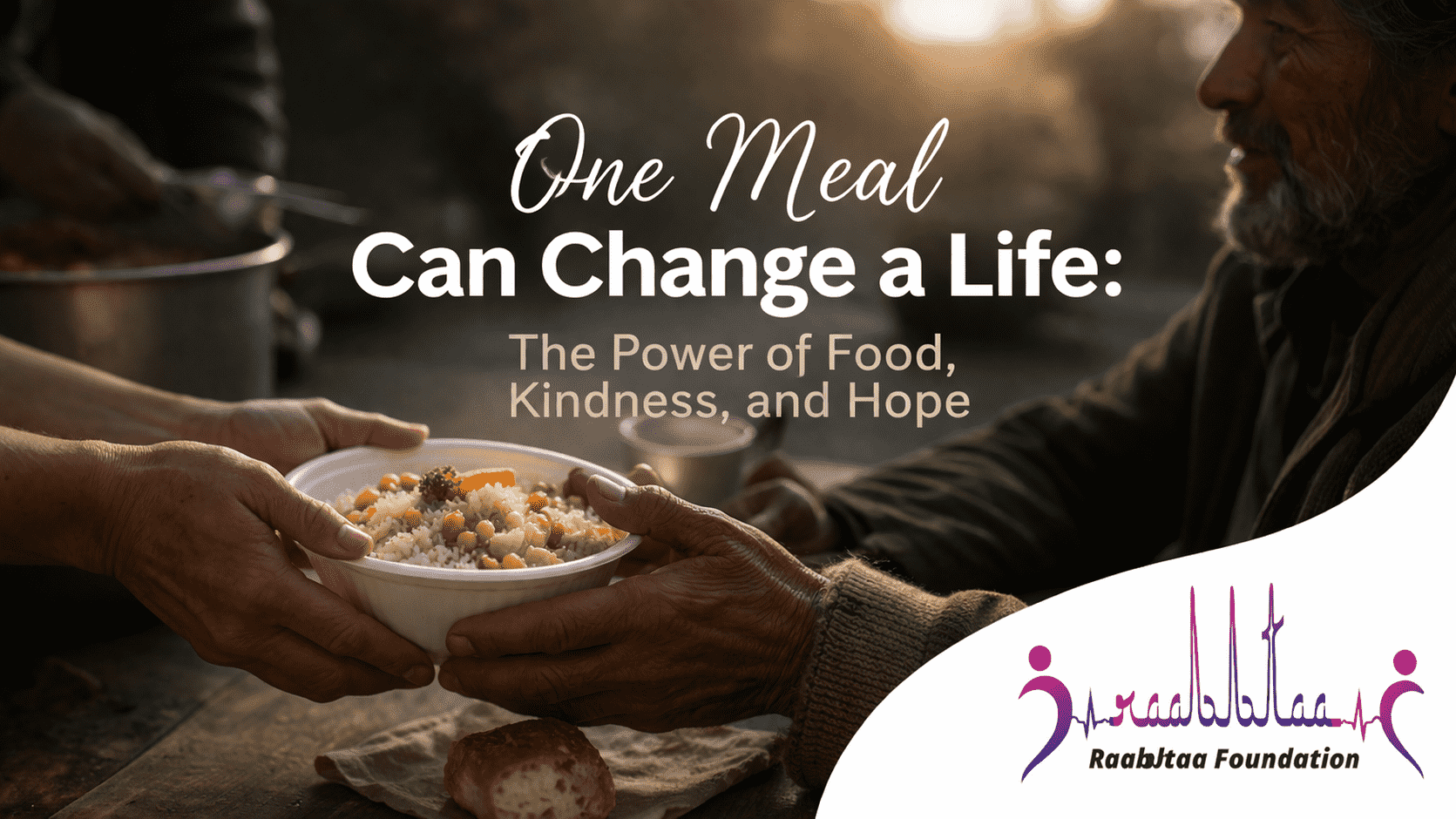
Food is more than fuel. It is comfort, dignity, survival, and hope. Around the world, millions of people struggle daily with hunger, uncertain where their next meal will come from. Yet something as simple as providing a single plate of food can shift someone’s reality in powerful ways. The idea that one meal can change a life is not poetic exaggeration—it is a truth proven every day through humanitarian work, community outreach, and individual acts of kindness.
This article explores how a single meal can transform lives physically, emotionally, and socially. It also explains why feeding someone once can lead to long-term positive change and how anyone can participate in this meaningful mission.
Why Hunger Is More Than an Empty Stomach
Hunger is often misunderstood as a temporary inconvenience. In reality, chronic hunger is a complex global issue with far-reaching consequences.
Physical Consequences of Hunger
When the body lacks adequate nutrition, it cannot perform basic functions efficiently. Malnutrition weakens the immune system, slows growth in children, and increases susceptibility to disease. A nutritious meal can immediately stabilize blood sugar levels, restore energy, and prevent further health deterioration.
Emotional and Psychological Impact
Food insecurity creates stress, anxiety, and feelings of shame. People who do not know when they will eat next often experience depression and social withdrawal. Offering one meal does more than nourish the body—it reassures the mind that someone cares.
Social Effects of Food Insecurity
Hunger can isolate individuals from society. Children may struggle in school, adults may miss work, and families may fall deeper into poverty. Addressing hunger with even a single meal interrupts this cycle and opens the door to stability.
How One Meal Can Change a Life Immediately
The phrase one meal can change a life reflects immediate, tangible outcomes.
Restoring Physical Strength
For someone who has not eaten for a long period, a single nutritious meal can restore energy levels within hours. This renewed strength may allow a person to return to work, attend school, or complete essential daily tasks.
Providing a Moment of Relief
Hunger creates constant mental strain. Receiving a meal removes that burden, even temporarily, allowing individuals to focus on problem-solving rather than survival.
Rekindling Hope
Kindness has a ripple effect. When someone receives food unexpectedly, it often renews their faith in humanity. That emotional shift can motivate them to seek employment, pursue education, or rebuild their life.
The Long-Term Impact of a Single Meal
It may seem surprising that one meal can produce lasting effects, but small interventions often create pivotal turning points.
A Catalyst for Change
For someone facing hardship, the moment they receive help can mark the beginning of recovery. That single meal might arrive at a time when they are considering giving up. Instead, it becomes a reminder that support exists.
Encouraging Positive Decisions
Hunger impairs decision-making. Proper nourishment improves cognitive function, helping individuals think clearly and make better choices about employment, finances, and relationships.
Inspiring Generosity in Others
Many people who receive help later become helpers themselves. A meal given today can inspire acts of generosity tomorrow, multiplying the original impact.
Real-Life Situations Where One Meal Makes a Difference
Understanding practical scenarios helps illustrate why feeding someone once can truly matter.
Children in School
Students who arrive at school hungry struggle to concentrate and retain information. Providing breakfast or lunch can improve academic performance and attendance, shaping their long-term opportunities.
Disaster Survivors
After natural disasters, access to food is often disrupted. Emergency meal distribution can stabilize communities and prevent health crises during recovery.
Homeless Individuals
For people living without shelter, finding food is a daily challenge. A single hot meal can provide warmth, nutrition, and human connection, reminding them they are not invisible.
The Science Behind Nutrition and Immediate Recovery
Nutrition science supports the idea that even one balanced meal can significantly affect the body.
A meal containing carbohydrates, proteins, healthy fats, vitamins, and minerals helps restore glycogen stores, repair tissues, and regulate hormones. Within minutes of eating, glucose enters the bloodstream, improving brain function and mood. Within hours, protein aids muscle repair and immune response.
This biological response shows that the impact of feeding someone is measurable, not symbolic. One well-balanced meal can shift the body from survival mode to recovery mode.
The Emotional Power of Being Fed
Food is deeply connected to emotion and culture. Sharing a meal often symbolizes acceptance, care, and belonging.
When someone offers food, they communicate a message without words: You matter. This affirmation can be transformative for individuals who feel forgotten or marginalized. Psychologists note that acts of kindness, especially those involving basic needs, can significantly boost self-worth and reduce feelings of isolation.
Therefore, the statement one meal can change a life reflects emotional healing as much as physical nourishment.
Community Transformation Through Small Acts
Feeding one person may seem insignificant in the face of global hunger statistics. However, community development often begins with small, consistent actions.
Building Trust
When communities see reliable food support, trust grows between residents and aid providers. This trust encourages participation in education, healthcare, and employment programs.
Strengthening Social Bonds
Shared meals bring people together. Community kitchens and food drives foster relationships among volunteers, donors, and recipients, strengthening social cohesion.
Creating Sustainable Change
Many large food relief organizations began as small local initiatives. One meal served regularly can evolve into structured programs that feed thousands.
Why Feeding Someone Once Still Matters
Some people hesitate to help because they think one meal is not enough. Yet this mindset overlooks how crises unfold. Hunger is experienced moment by moment. Relief is also experienced moment by moment.
Providing a single meal accomplishes three crucial things:
It solves an immediate problem.
It prevents short-term harm.
It opens the door for future assistance.
Even temporary relief is valuable. Just as a glass of water can save someone from dehydration, one meal can sustain someone until they find their next opportunity.
Ways You Can Help Change a Life With One Meal
Anyone can participate in fighting hunger. You do not need wealth or an organization to make a difference.
Donate Food
Nonperishable items such as rice, beans, canned vegetables, and pasta are always needed at food banks. A small grocery donation can translate into several meals.
Support Meal Programs
Community kitchens, shelters, and outreach groups rely on volunteers and funding. Supporting them helps ensure meals reach those who need them most.
Share What You Have
Offering food directly to someone in need is a simple yet powerful act. Even a sandwich and a bottle of water can restore strength and hope.
Reduce Food Waste
Millions of tons of edible food are discarded each year. Redirecting surplus food to charities ensures it benefits people rather than landfills.
The Ripple Effect of Compassion
Kindness spreads. When one person receives help, they often become more likely to help others. This chain reaction is known as the ripple effect. A single meal may influence not only the recipient but also everyone they later support.
Imagine feeding someone who later gains employment, supports a family, or volunteers in their community. The original meal becomes part of a much larger story of transformation.
Addressing Global Hunger Starts Locally
While hunger is a global issue, solutions often begin within neighborhoods. Local action is powerful because it is immediate and targeted.
Communities understand their own needs best. Local food drives, school meal programs, and neighborhood pantries can quickly identify who requires assistance. By focusing on nearby needs, individuals can see the direct impact of their efforts, reinforcing motivation to continue helping.
Common Misconceptions About Helping the Hungry
“One Meal Won’t Make a Difference”
This belief discourages action, yet it is incorrect. Immediate nourishment can prevent fainting, illness, or emotional distress. Every meal matters.
“Only Large Donations Count”
Small contributions add up. Many successful food programs rely on numerous modest donations rather than a few large ones.
“Someone Else Will Help”
Assuming others will act often results in no one acting. Personal initiative is essential in addressing hunger.
The Future of Fighting Hunger
Innovations in agriculture, food distribution, and technology are improving global food access. Mobile apps connect restaurants with shelters to redistribute surplus food. Urban farming initiatives grow fresh produce in cities. Data analytics helps organizations predict where hunger will increase.
Despite these advancements, human compassion remains the most powerful tool. Technology can deliver food, but people choose to share it.
Conclusion — One Simple Act, One Lasting Impact
The statement one meal can change a life captures a profound truth: small acts of nourishment can create significant transformation. A single plate of food can restore strength, renew hope, and inspire change. It can interrupt despair and replace it with possibility.
Hunger is a complex global challenge, but solutions do not always require complex actions. Sometimes, the most powerful step is also the simplest—feeding someone who is hungry.
Every meal given is more than food. It is a message of compassion, a sign of solidarity, and a seed of hope. And for someone facing hardship, that one meal may be the moment everything begins to change.