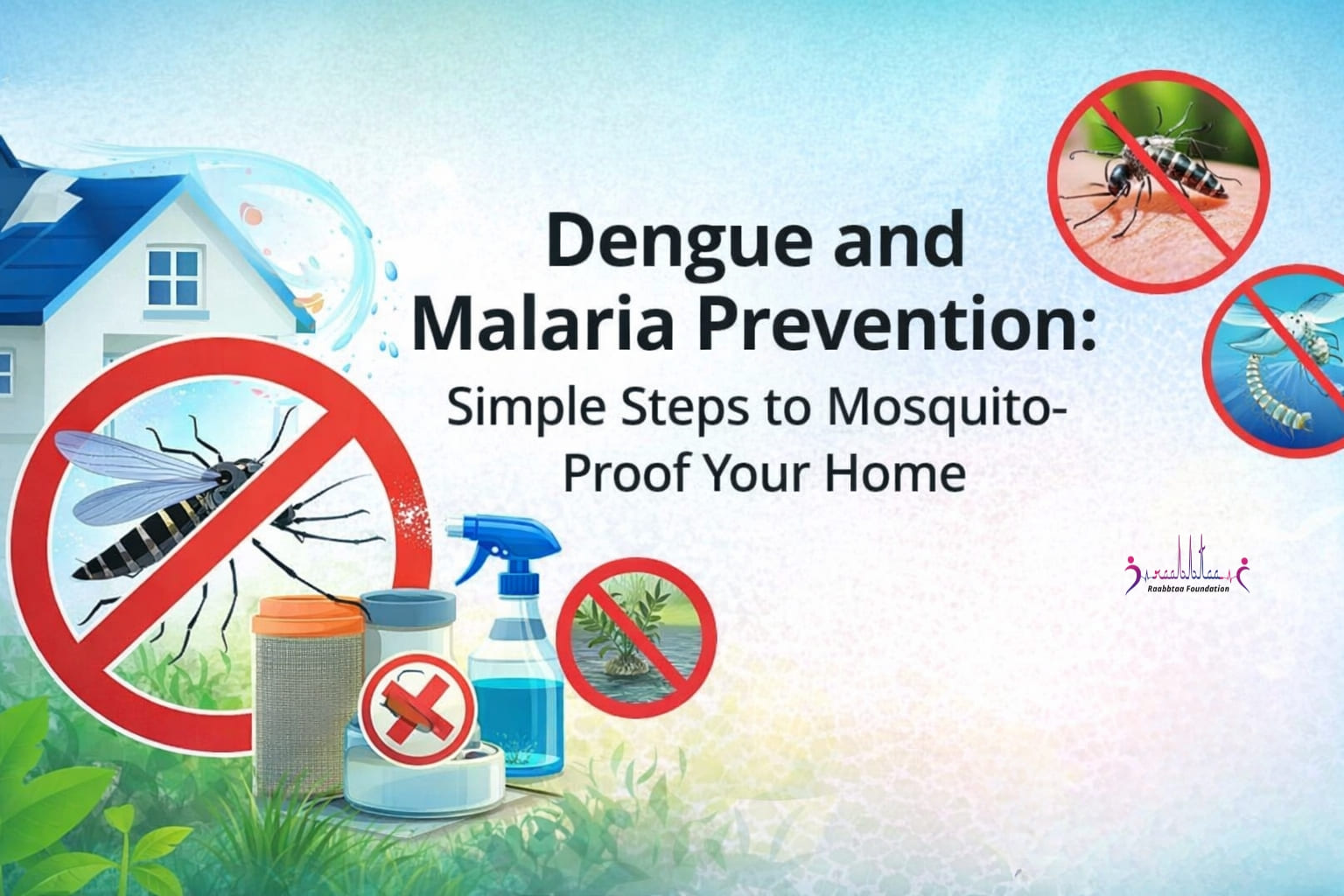
Dengue and Malaria Prevention: Simple Steps to Mosquito-Proof Your Home
Dengue and malaria are among the most common mosquito-borne diseases affecting millions of people every year, especially in tropical and subtropical regions. These illnesses can lead to serious health complications if not prevented or treated in time. The good news is that most cases can be prevented by taking simple steps at home to reduce mosquito breeding and avoid mosquito bites.
Mosquito-proofing your home does not require expensive equipment or complicated methods. With awareness, regular cleaning, and a few preventive measures, you can significantly reduce the risk of dengue and malaria for your family.
In this article, we will explain practical and easy steps for dengue and malaria prevention, focusing on making your home safer and healthier.
Understanding Dengue and Malaria
Before learning about prevention, it is important to understand how dengue and malaria spread.
Dengue is caused by a virus transmitted by the Aedes mosquito, which usually bites during the daytime. These mosquitoes breed in clean, stagnant water commonly found in homes and surrounding areas.
Malaria, on the other hand, is caused by parasites transmitted by Anopheles mosquitoes, which mostly bite at night. These mosquitoes breed in stagnant water, including dirty water, puddles, and open drains.
Since both diseases are spread through mosquito bites, prevention focuses on controlling mosquito breeding and protecting the body from bites.
Why Mosquito Control at Home Is Important
Your home is one of the most common places where mosquitoes breed and bite. Water storage containers, flower pots, coolers, and even small bottle caps filled with water can become breeding sites.
Mosquitoes do not need large water bodies to multiply. Even a few days of stagnant water can allow hundreds of larvae to develop.
By mosquito-proofing your home, you not only protect your family but also help reduce the mosquito population in your neighborhood.
Remove Standing Water Regularly
One of the most effective methods of dengue and malaria prevention is removing stagnant water.
Check areas such as:
* Flower pots and trays
* Water storage containers
* Air coolers
* Buckets and drums
* Old tires
* Roof gutters
* Refrigerator trays
Empty, clean, and dry these items at least once a week. Mosquito eggs can survive for several days, so regular cleaning is necessary.
If water storage is necessary, always keep containers tightly covered.
Keep Water Tanks and Containers Covered
Water tanks, barrels, and overhead storage units should always be properly sealed. Even a small opening can allow mosquitoes to enter and lay eggs.
Use tight lids or mosquito-proof mesh covers to block access. Inspect these covers regularly to ensure there are no gaps or damage.
This simple step significantly reduces mosquito breeding at home.
Maintain Clean Surroundings
A clean environment discourages mosquito breeding. Garbage, plastic containers, coconut shells, and unused items often collect rainwater.
Dispose of waste properly and avoid letting items accumulate in open areas. Clean drains and ensure water flows freely without blockage.
Regular sweeping and cleaning of balconies, terraces, and yards help prevent water accumulation.
Install Mosquito Screens and Nets
Installing mosquito screens on doors and windows is one of the best ways to mosquito-proof your home.
Mosquito nets provide additional protection, especially for children, elderly family members, and pregnant women. Nets are particularly important in malaria-prone areas where mosquitoes bite at night.
Ensure there are no holes or tears in the screens or nets, as even small openings allow mosquitoes to enter.
Use Natural Mosquito Repellents
Natural repellents can help reduce mosquito bites without harmful chemicals.
Common natural repellents include:
* Neem oil
* Citronella oil
* Lemon eucalyptus oil
* Camphor
Burning neem leaves or using herbal vaporizers can also help repel mosquitoes indoors.
While natural repellents may not eliminate mosquitoes completely, they are useful as part of a broader prevention strategy.
Use Mosquito Repellents and Devices
Electric vaporizers, mosquito coils, and sprays are effective tools for controlling mosquitoes indoors. Use these products as directed to ensure safety.
Liquid vaporizers are particularly useful at night, while sprays can be used to eliminate mosquitoes in rooms before sleeping.
Always ensure proper ventilation when using chemical repellents.
Keep Doors and Windows Closed During Peak Hours
Mosquito activity is highest during certain times:
* Aedes mosquitoes (dengue) bite during early morning and late afternoon
* Anopheles mosquitoes (malaria) bite during the night
Keeping doors and windows closed or screened during these hours helps reduce the chances of mosquitoes entering your home.
Wear Protective Clothing
Clothing plays an important role in dengue and malaria prevention. Wearing long sleeves, full pants, and light-colored clothing reduces exposed skin and makes it harder for mosquitoes to bite.
This is especially important for children playing outdoors and people working in gardens or open areas.
Use Fans and Improve Air Circulation
Mosquitoes are weak fliers. Using ceiling fans, pedestal fans, or exhaust fans can make it difficult for them to fly and land.
Good ventilation also helps keep indoor areas dry, reducing the likelihood of mosquito breeding.
Protect Children and Elderly Family Members
Children and elderly people are more vulnerable to infections and complications from dengue and malaria.
Ensure they:
* Sleep under mosquito nets
* Use mosquito repellent creams
* Avoid outdoor exposure during peak mosquito activity
Taking extra precautions helps reduce the risk of severe illness.
Community Participation Matters
Mosquito control is not just an individual responsibility. Even if your home is clean, mosquitoes can breed in nearby areas.
Encourage neighbors to:
* Remove stagnant water
* Clean surroundings
* Cover water storage
* Dispose of garbage properly
Community participation significantly reduces mosquito populations in residential areas.
Recognizing Early Symptoms
Despite taking precautions, it is important to recognize early symptoms of dengue and malaria.
Common symptoms include:
* High fever
* Headache
* Body aches
* Fatigue
* Chills
* Nausea
Dengue may also cause pain behind the eyes and skin rash, while malaria often causes cycles of fever and chills.
Seek medical attention immediately if symptoms appear. Early diagnosis and treatment prevent complications.
Importance of Regular Health Awareness
Awareness campaigns, especially during the rainy season, play a key role in dengue and malaria prevention.
Schools, workplaces, and community groups can spread awareness about:
* Removing stagnant water
* Using mosquito repellents
* Recognizing symptoms
Educating people helps prevent outbreaks and saves lives.
Seasonal Precautions During Monsoon
Mosquito populations increase during the rainy season due to water accumulation.
Extra precautions during monsoon include:
* Checking rooftops and terraces
* Clearing blocked drains
* Covering outdoor containers
* Using repellents regularly
Taking preventive steps before and during the rainy season reduces the risk of infection.
Long-Term Strategies to Mosquito-Proof Your Home
For long-term prevention, consider:
* Proper drainage systems
* Landscaping that prevents water stagnation
* Covered water storage
* Regular pest control services
These measures provide lasting protection against mosquitoes.
Common Mistakes to Avoid
Many people unknowingly create mosquito breeding conditions. Avoid these mistakes:
* Ignoring small water collections
* Leaving coolers uncleaned
* Storing water in open containers
* Skipping weekly cleaning routines
Consistency is key to effective mosquito control.
Final Thoughts
Dengue and malaria prevention begins at home. Simple habits like removing stagnant water, maintaining cleanliness, using mosquito nets, and applying repellents can greatly reduce the risk of infection.
Mosquito-proofing your home is not a one-time task but a regular practice. By staying alert and proactive, you can protect your family and contribute to a healthier community.
Prevention is always easier and safer than treatment. Start today by checking your home for possible mosquito breeding sites and taking immediate action.