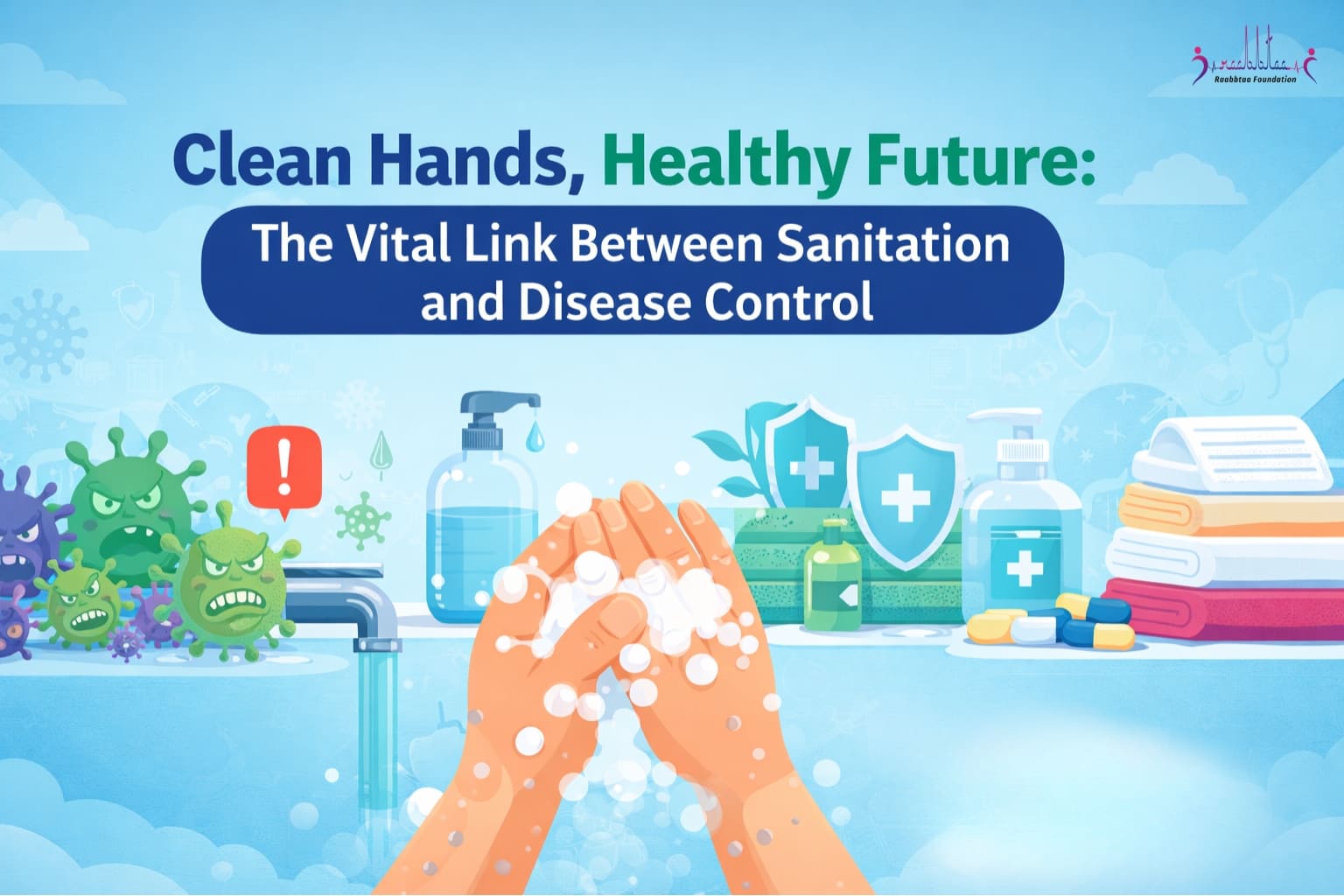
Clean Hands, Healthy Future: The Vital Link Between Sanitation and Disease Control
Sanitation and disease control are closely connected pillars of public health. From preventing deadly outbreaks to reducing everyday infections, proper hygiene practices—especially handwashing—serve as the first line of defense against infectious diseases.
Despite major advances in healthcare, preventable diseases still affect millions of people every year due to poor sanitation and inadequate hygiene practices. Clean hands are not just a personal responsibility; they are a public health necessity. This article explores the importance of sanitation in disease prevention, how hygiene interrupts disease transmission, and why investing in sanitation infrastructure is critical for a healthier future.
Understanding Sanitation and Disease Control
Sanitation refers to systems and practices that promote health through safe disposal of waste, clean water supply, proper sewage management, and hygienic behaviors like handwashing.
Disease control involves strategies that prevent, detect, and respond to infectious diseases. When sanitation standards are high, disease transmission rates significantly decline.
How Sanitation Impacts Disease Transmission
Poor sanitation creates an environment where bacteria, viruses, and parasites thrive. Contaminated water, unsafe food handling, and unwashed hands allow pathogens to spread rapidly within communities.
Common sanitation-related diseases include:
Diarrheal diseases
Cholera
Typhoid fever
Hepatitis A
Intestinal worm infections
Respiratory infections
Improving sanitation and disease control measures reduces exposure to harmful microorganisms and lowers infection rates across populations.
The Science Behind Clean Hands and Health
Hands are one of the most common vehicles for disease transmission. Throughout the day, people touch surfaces, food, and other individuals, accumulating microbes.
When someone touches their eyes, nose, or mouth with contaminated hands, pathogens enter the body. Proper hand hygiene breaks this chain of infection.
The Global Burden of Poor Sanitation
Lack of sanitation remains a major global health issue. Billions of people worldwide still lack access to safely managed sanitation services.
Consequences of poor sanitation include:
Increased child mortality
Malnutrition linked to repeated infections
Economic productivity loss
Strain on healthcare systems
School absenteeism among children
Communities without proper sanitation infrastructure face continuous cycles of illness and poverty. Investing in sanitation is not only a health priority but also an economic necessity.
Water, Sanitation, and Hygiene (WASH): A Public Health Framework
The WASH framework—Water, Sanitation, and Hygiene—provides a comprehensive approach to disease control.
1. Safe Water Access
Clean drinking water prevents waterborne diseases and reduces contamination risks.
2. Proper Sanitation Facilities
Toilets and sewage systems prevent human waste from contaminating water and food sources.
3. Hygiene Education
Promoting handwashing and safe food handling strengthens disease prevention efforts.
Together, these pillars form a powerful disease control strategy that protects communities from outbreaks.
How Poor Sanitation Fuels Disease Outbreaks
When sanitation systems fail, outbreaks become more likely. Contaminated water supplies can spread diseases rapidly across entire regions.
For example:
Cholera spreads through contaminated water.
Hepatitis A transmits via fecal-oral routes.
Typhoid fever spreads through unsafe food and water.
In densely populated areas, inadequate waste disposal accelerates disease transmission. Effective sanitation and disease control strategies are essential to prevent such public health crises.
Handwashing: The Most Cost-Effective Public Health Intervention
Among all sanitation practices, handwashing stands out as the simplest and most affordable.
Critical Moments for Handwashing
Before eating or preparing food
After using the toilet
After handling waste
After coughing or sneezing
Before caring for someone who is ill
Consistent hand hygiene significantly reduces infection rates in homes, schools, and healthcare facilities.
Healthcare-associated infections are often linked to poor hand hygiene. In clinical settings, strict sanitation protocols protect patients from life-threatening complications.
The Role of Sanitation in Preventing Childhood Diseases
Children are particularly vulnerable to sanitation-related illnesses. Their developing immune systems make them more susceptible to infections.
Repeated diarrheal episodes can lead to:
Dehydration
Malnutrition
Stunted growth
Cognitive development delays
Improved sanitation and disease control directly enhance child survival rates and long-term health outcomes.
Schools with proper hygiene facilities also experience better attendance rates and improved academic performance.
Urbanization and Sanitation Challenges
Rapid urbanization has intensified sanitation challenges. Growing cities often struggle to provide adequate sewage systems and waste management.
Urban slums, in particular, face:
Overcrowding
Limited clean water access
Open defecation
Waste accumulation
Without proper infrastructure planning, infectious diseases spread quickly in such environments. Sustainable urban sanitation systems are critical for future disease control efforts.
Antimicrobial Resistance and Hygiene Practices
Poor sanitation indirectly contributes to antimicrobial resistance (AMR). Frequent infections lead to increased antibiotic use, which accelerates resistance.
Improving hygiene reduces infection rates and lowers reliance on antibiotics. Sanitation and disease control therefore play a strategic role in combating global health threats like drug-resistant bacteria.
Economic Benefits of Investing in Sanitation
Sanitation improvements generate measurable economic returns.
Benefits include:
Reduced healthcare costs
Increased workforce productivity
Higher school attendance
Tourism growth
Improved community well-being
Studies show that every dollar invested in sanitation yields multiple dollars in economic benefits. This demonstrates that sanitation is both a health and development priority.
Sanitation in Healthcare Settings
Hospitals and clinics require strict hygiene standards to prevent healthcare-associated infections (HAIs).
Essential measures include:
Sterile equipment handling
Hand hygiene protocols
Surface disinfection
Proper waste disposal
Failure in hospital sanitation can result in severe infections, prolonged hospital stays, and increased mortality. Maintaining sanitation in healthcare facilities is central to effective disease control.
Hygiene Standards
Hospitals and clinics require strict hygiene standards to prevent healthcare-associated infections (HAIs).
Essential measures include:
Sterile equipment handling
Hand hygiene protocols
Surface disinfection
Proper waste disposal
Failure in hospital sanitation can result in severe infections, prolonged hospital stays, and increased mortality. Maintaining sanitation in healthcare facilities is central to effective disease control.
Behavior Change: The Key to Sustainable Hygiene
Infrastructure alone is not enough. Sustainable sanitation requires behavior change.
Community education campaigns can:
Promote consistent handwashing
Encourage safe waste disposal
Reduce open defecation
Improve food hygiene practices
Public awareness initiatives create long-term cultural shifts that strengthen sanitation and disease control.
Technology and Innovation in Sanitation
Modern technologies are transforming sanitation systems.
Examples include:
Eco-friendly toilets
Waste-to-energy systems
Smart sewage monitoring
Portable handwashing stations
Water purification technologies
Innovation makes sanitation solutions more accessible, especially in low-resource settings. Technology enhances efficiency and scalability in disease prevention efforts.
Policy and Governance in Sanitation Management
Government policies play a crucial role in sanitation development.
Effective strategies include:
Effective strategies include:
National sanitation programs
Public-private partnerships
Investment in infrastructure
Regulatory standards for waste management
Hygiene promotion in schools
Strong governance ensures that sanitation and disease control remain public health priorities.
Community-Level Action for Disease Prevention
Conclusion: Clean Hands, Strong Communities
Food Waste
Food waste is a major concern. Improper storage or delayed delivery can lead to spoilage.
Therefore, better planning and technology are needed to reduce waste.
Environmental Impact
Transportation contributes to carbon emissions. Because of this, sustainable practices are becoming important.
Many companies now use electric vehicles and eco-friendly packaging.
The Importance of Sustainability in Food Distribution
Sustainability is now a major focus in food logistics. Companies are adopting greener practices.
Eco-Friendly Packaging
Biodegradable and recyclable packaging reduces environmental damage. Therefore, many brands are switching to sustainable materials.
Energy-Efficient Warehouses
Solar panels, LED lighting, and smart climate systems save energy. As a result, operational costs decrease.
Reducing Carbon Footprint
Optimized routes and fuel-efficient vehicles reduce emissions. Consequently, businesses become more environmentally responsible.
How Food Distribution Impacts Consumers
Behind the scenes of food distribution directly affects your daily life.
First, it ensures consistent food availability. Therefore, you can shop anytime without shortages.
Second, it maintains affordability. Efficient logistics reduce costs, which keeps prices reasonable.
Third, it guarantees safety. Strict controls protect your health.
Finally, it improves convenience. Online grocery delivery is possible because of advanced distribution systems.
Future Trends in Food Distribution
The food distribution industry continues to evolve.
Blockchain Technology
Blockchain improves transparency and traceability. Therefore, fraud and errors are reduced.
Conclusion: The Hidden Network That Feeds the World
From reducing childhood mortality to strengthening healthcare systems, sanitation investments yield lifelong benefits. Simple actions—like regular handwashing—combined with effective infrastructure and policy support can transform public health outcomes.
A clean environment leads to a healthy future. By prioritizing sanitation, promoting hygiene education, and supporting sustainable systems, we can reduce disease transmission and build resilient communities worldwide.
Clean hands truly shape a healthier tomorrow.