Career Guidance for Youth: A Complete Guide to Choosing the Right Career
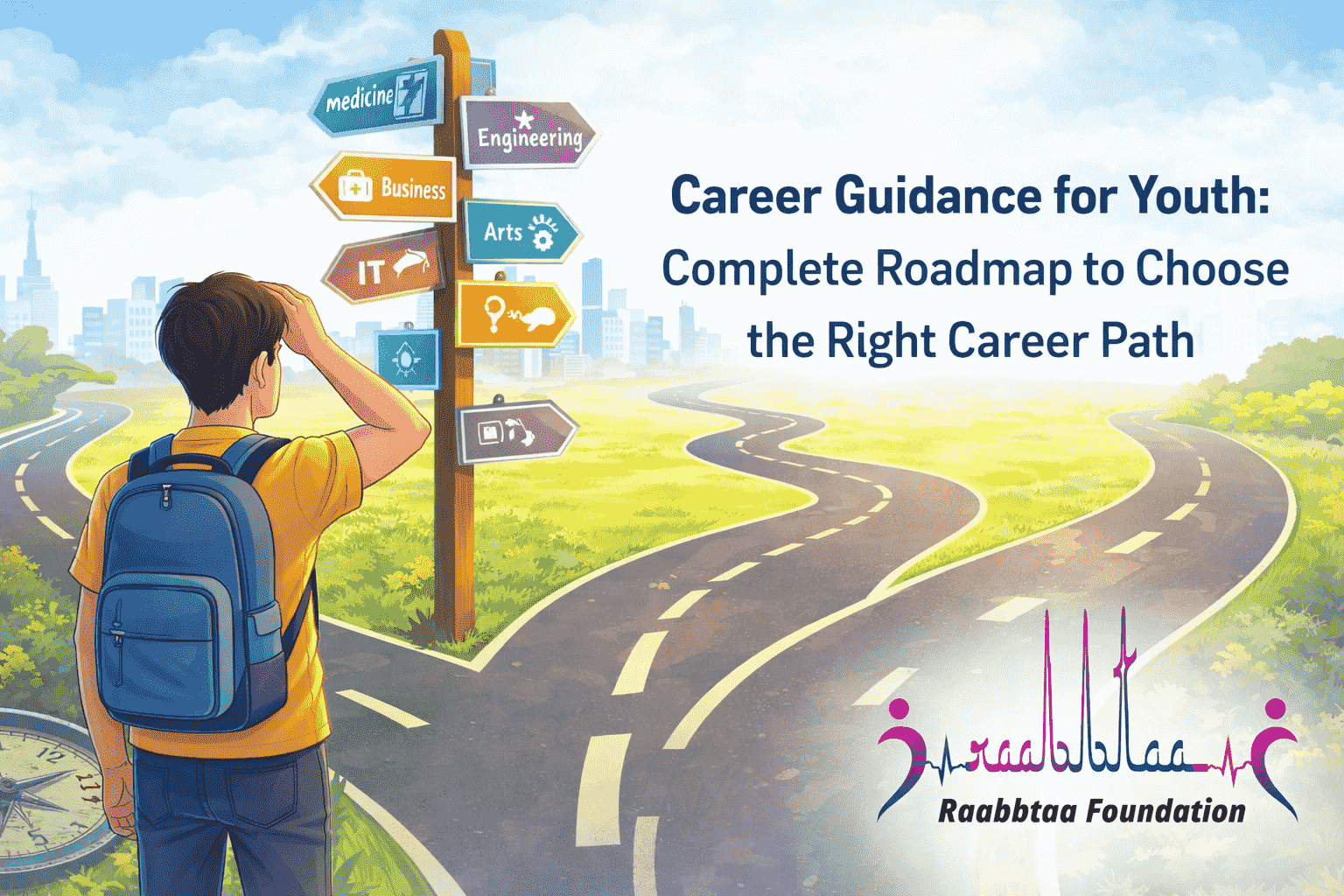
Choosing a career is one of the most important decisions in a young person’s life. Effective career guidance for youth helps individuals identify their strengths, understand opportunities, and make informed decisions about their future. Without proper direction, many young people feel confused, pressured, or uncertain about which path to follow. Therefore, structured guidance is essential for building confidence and clarity.
In today’s competitive world, career planning is no longer optional—it is a strategic process. Youth must evaluate their interests, skills, personality traits, and market demands before committing to a profession. This guide explains everything students and young adults need to know about career selection, planning, and growth.
Why Career Guidance for Youth Is Important
Career guidance plays a vital role in shaping a person’s professional journey. When young individuals receive proper advice, they make decisions based on logic instead of pressure or trends.
Helps Identify Strengths and Weaknesses
Every student has unique talents. Career counseling tools, aptitude tests, and mentoring sessions help youth recognize their natural abilities and areas that need improvement.
Reduces Career Confusion
Many students feel overwhelmed by the vast number of career options available today. Guidance simplifies decision-making by narrowing choices according to skills and interests.
Improves Confidence and Motivation
When young people understand their direction, they feel more confident about their future. This clarity increases motivation, productivity, and academic performance.
Aligns Passion With Profession
The goal of career guidance for youth is not just employment but fulfillment. When passion aligns with profession, individuals are more satisfied and successful in the long run.
Key Factors to Consider When Choosing a Career
Selecting the right career requires systematic evaluation. Youth should consider multiple factors before making a final decision.
Personal Interests
Interests determine long-term satisfaction. For example, someone who enjoys creative work may thrive in design, media, or writing fields.
Skills and Abilities
Skills can be natural or learned. Identifying both technical and soft skills helps match a student with suitable professions.
Educational Requirements
Different careers demand different qualifications. Understanding academic pathways prevents future obstacles.
Job Market Demand
A wise career choice balances passion with practicality. Researching job trends ensures stability and growth opportunities.
Financial Goals
Income expectations vary across professions. Youth should evaluate whether a career aligns with their lifestyle and financial aspirations.
Step-by-Step Career Planning Process
A structured plan makes career selection easier and more effective. Below is a proven framework for career guidance for youth.
Step 1 – Self-Assessment
Students should analyze their interests, values, personality, and abilities. Tools such as personality tests and aptitude assessments can provide valuable insights.
Step 2 – Career Exploration
Research different industries, job roles, and growth prospects. Reading job descriptions and watching industry interviews helps build understanding.
Step 3 – Shortlisting Options
After research, create a shortlist of careers that match your skills and interests. This reduces confusion and simplifies decision-making.
Step 4 – Skill Development
Once options are selected, focus on acquiring the required skills. This may include certifications, internships, or online courses.
Step 5 – Decision Making
Compare shortlisted options based on long-term prospects, salary potential, work environment, and personal satisfaction.
Step 6 – Goal Setting
Set clear short-term and long-term goals. Goals provide direction and help track progress over time.
Top Career Options for Youth in 2026 and Beyond
The job market evolves rapidly due to technology, globalization, and innovation. Therefore, modern career guidance for youth must include emerging professions.
Technology Careers
Fields such as artificial intelligence, cybersecurity, data science, and software development continue to grow rapidly. These careers offer high demand and excellent salaries.
Healthcare Professions
Healthcare remains a stable and respected sector. Careers like nursing, medical research, physiotherapy, and mental health counseling are increasingly popular.
Creative Industries
Design, animation, filmmaking, content creation, and digital marketing are ideal for creative minds. These fields reward originality and innovation.
Entrepreneurship
Many young people now choose entrepreneurship instead of traditional jobs. Starting a business allows individuals to pursue their passions while building financial independence.
Skilled Trades
Technical trades such as electrician work, automotive technology, and construction management provide strong earning potential without requiring lengthy academic degrees.
Skills Youth Must Develop for Career Success
Regardless of profession, certain universal skills enhance employability. Career guidance for youth should emphasize these essential competencies.
Communication Skills
Clear communication improves teamwork, leadership, and problem-solving. Employers consistently rank communication as a top hiring criterion.
Critical Thinking
The ability to analyze situations logically and make sound decisions is valuable in every field.
Adaptability
Modern workplaces change quickly. Youth who adapt easily to new technologies and environments remain competitive.
Time Management
Organizing tasks efficiently increases productivity and reduces stress.
Digital Literacy
In the digital era, understanding basic technology tools is mandatory for most careers.
Role of Parents and Teachers in Career Guidance
Support systems significantly influence career decisions. Parents and educators must guide youth without imposing personal preferences.
Encouraging Exploration
Young people should be allowed to explore different fields before choosing a career. Exposure broadens perspective and builds confidence.
Providing Emotional Support
Career decisions can be stressful. Emotional encouragement helps students stay positive and motivated.
Avoiding Comparison
Comparing students with others can reduce self-esteem. Each individual has unique strengths and should progress at their own pace.
Offering Resources
Parents and teachers can provide books, workshops, counseling sessions, and networking opportunities that help students make informed decisions.
Common Career Mistakes Youth Should Avoid
Even talented individuals sometimes make poor career choices due to lack of awareness. Avoiding these mistakes ensures better outcomes.
Following Peer Pressure
Choosing a career because friends selected it often leads to dissatisfaction. Decisions should be based on personal interests.
Ignoring Market Trends
Some careers become obsolete over time. Researching industry demand prevents future unemployment.
Overlooking Skill Development
Many students focus only on degrees and ignore practical skills. Employers value competence more than certificates alone.
Lack of Planning
Without a roadmap, career progress becomes random. Strategic planning ensures steady growth.
Importance of Career Counseling Programs
Professional counseling services provide structured career guidance for youth using scientific methods and expert insights.
Psychometric Testing
These assessments measure aptitude, personality, and interests to suggest suitable career paths.
Expert Consultation
Career counselors analyze individual profiles and recommend customized plans.
Career Roadmaps
Counseling sessions often include detailed action plans outlining courses, exams, and skill requirements.
Confidence Building
Professional guidance reduces anxiety and helps students approach their future with clarity.
How Technology Is Transforming Career Guidance for Youth
Technology has revolutionized how young people explore career opportunities. Digital platforms now provide instant access to information and training.
Online Learning Platforms
Students can learn new skills from global experts without leaving home. This accessibility accelerates career preparation.
Virtual Internships
Remote internships allow youth to gain real-world experience while studying.
AI-Based Career Tools
Artificial intelligence can analyze user data and recommend suitable career paths with high accuracy.
Networking Platforms
Professional networking websites help young individuals connect with industry experts and mentors worldwide.
Benefits of Early Career Planning
Starting career planning early provides significant advantages.
Students make informed subject choices in school.
They gain time to develop relevant skills.
They build stronger resumes before graduation.
They avoid last-minute confusion.
They achieve goals faster.
Early planning does not restrict flexibility. Instead, it provides a foundation that can adapt as interests evolve.
Conclusion: Building a Successful Future Through Career Guidance
Career decisions shape not only professional life but also personal happiness. Therefore, proper career guidance for youth is essential for choosing the right path. By understanding strengths, researching opportunities, developing skills, and planning strategically, young individuals can build rewarding careers.
Success does not happen by chance—it results from informed choices and consistent effort. With the right guidance, today’s youth can transform their ambitions into reality and create a future filled with growth, stability, and fulfillment.