Bridging the Education Gap: A Complete Guide to Causes, Challenges, and Solutions
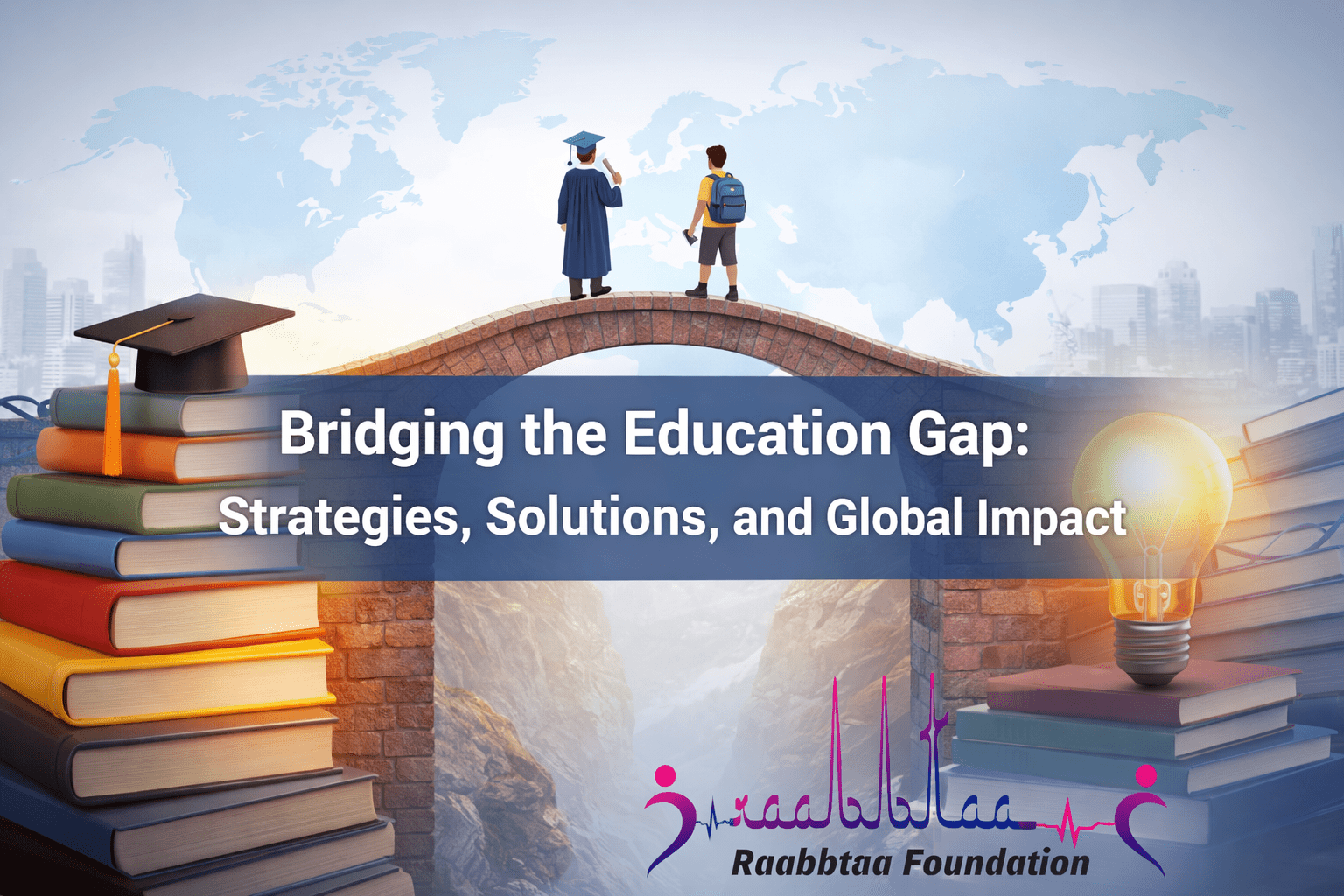
Education is widely recognized as the cornerstone of personal growth, economic development, and social progress. Yet millions of learners around the world still lack access to quality learning opportunities. Bridging the education gap has therefore become one of the most urgent priorities for policymakers, educators, and communities. This gap is not limited to developing countries; it exists in urban and rural regions, wealthy and low-income communities, and even within the same classroom.
Understanding what causes this disparity and how it can be addressed is essential for creating equitable learning environments. This article explores the root causes, global implications, and practical strategies for bridging the education gap in sustainable and measurable ways.
What Is the Education Gap?
The education gap refers to disparities in academic performance, access to learning resources, and educational outcomes among different groups of students. These differences often correlate with socioeconomic status, geographic location, gender, ethnicity, or disability.
Students affected by this gap may experience:
Limited access to qualified teachers
Insufficient learning materials
Poor infrastructure
Digital exclusion
Language barriers
Bridging the education gap means eliminating these inequalities so every learner has an equal chance to succeed regardless of background.
Why Bridging the Education Gap Matters
Closing educational disparities is not only a moral imperative but also an economic and societal necessity. Education influences employment, health, civic participation, and innovation. When gaps persist, societies lose valuable talent and productivity.
Economic Impact
A well-educated population contributes to economic growth by increasing workforce skills, productivity, and innovation capacity. Conversely, an education gap leads to skill shortages, unemployment, and reduced national competitiveness.
Social Stability
Education promotes tolerance, civic engagement, and critical thinking. Bridging the education gap reduces inequality and strengthens social cohesion, lowering crime rates and fostering community resilience.
Intergenerational Benefits
When children receive quality education, they are more likely to secure stable employment and provide better opportunities for their own children. Thus, closing the gap today prevents inequality tomorrow.
Major Causes of the Education Gap
To effectively address disparities, it is essential to understand their underlying drivers. The causes of educational inequality are complex and interconnected.
Socioeconomic Inequality
Students from low-income households often lack access to books, tutoring, stable internet, and quiet study environments. Financial stress can also force students to work instead of studying.
Geographic Disparities
Rural and remote regions frequently face shortages of schools, qualified teachers, and transportation. Urban areas, while better resourced, may struggle with overcrowded classrooms and underfunded public schools.
Digital Divide
Technology has transformed modern education, yet millions of students lack reliable internet or devices. Without digital access, learners cannot benefit from online resources, remote learning, or educational software.
Gender and Cultural Barriers
In some regions, cultural norms restrict educational opportunities for girls or marginalized groups. Early marriage, household responsibilities, or discrimination can prevent consistent attendance.
Systemic Policy Gaps
Insufficient funding, outdated curricula, and weak governance can hinder education systems. When policies fail to address inequality, the gap widens rather than narrows.
Signs That an Education Gap Exists
Recognizing disparities early helps educators and policymakers intervene effectively. Common indicators include:
Significant differences in test scores between demographic groups
High dropout rates in specific communities
Low literacy or numeracy levels
Limited college enrollment among disadvantaged students
Unequal access to extracurricular opportunities
Monitoring these indicators allows institutions to measure progress in bridging the education gap.
Global Perspective on Educational Inequality
Educational disparities are a worldwide issue. According to international development agencies, hundreds of millions of children still lack basic literacy and numeracy skills. Conflict zones, poverty-stricken regions, and refugee communities are particularly affected.
However, the education gap is not confined to low-income nations. In developed countries, inequities persist between public and private schools, urban and suburban districts, and students of different racial or socioeconomic backgrounds. Bridging the education gap therefore requires both global cooperation and localized solutions.
Effective Strategies for Bridging the Education Gap
Solving educational inequality requires coordinated action from governments, schools, communities, and private organizations. The following strategies have proven effective in narrowing disparities.
Expanding Access to Early Childhood Education
Early learning lays the foundation for academic success. Children who attend quality preschool programs develop stronger cognitive, language, and social skills. Investing in early education significantly reduces achievement gaps later in life.
Improving Teacher Training and Support
Teachers play a central role in bridging the education gap. Continuous professional development, fair salaries, and supportive working conditions enable educators to deliver high-quality instruction. Well-trained teachers can also adapt lessons to diverse learning needs.
Leveraging Technology for Inclusive Learning
Digital tools can expand access to knowledge when implemented strategically. Providing affordable devices, reliable internet, and digital literacy training ensures students can participate fully in modern education. Online platforms also allow remote learners to access expert instruction.
Curriculum Modernization
Outdated curricula fail to prepare students for contemporary challenges. Updating course content to include critical thinking, problem solving, digital skills, and real-world applications makes education more relevant and engaging.
Community and Parental Engagement
Families and communities significantly influence student success. Programs that involve parents in school activities, workshops, and decision-making processes improve attendance, motivation, and academic outcomes.
Role of Governments in Bridging the Education Gap
Public policy is one of the most powerful tools for educational equity. Governments can implement systemic reforms that benefit entire populations.
Key governmental actions include:
Increasing funding for underserved schools
Providing scholarships and financial aid
Establishing national digital infrastructure
Enacting inclusive education laws
Monitoring performance data to identify disparities
When governments prioritize equitable education, long-term national development accelerates.
Role of Schools and Educators
Educational institutions must adopt inclusive practices to ensure every student thrives. Schools can bridge the education gap through targeted interventions such as:
Differentiated instruction tailored to learning styles
After-school tutoring programs
Mentorship initiatives
Counseling and mental health support
Language assistance for multilingual learners
Teachers who recognize diverse needs and adapt their teaching methods can dramatically reduce achievement disparities.
Community and Private Sector Contributions
Nonprofit organizations, businesses, and local communities also play essential roles. Partnerships between schools and external stakeholders can provide resources that public systems alone cannot supply.
Examples include:
Corporate sponsorship of school technology
Volunteer tutoring programs
Scholarship funds
Internship and career training opportunities
These collaborations create a supportive ecosystem that accelerates progress in bridging the education gap.
Challenges in Closing the Education Gap
Despite significant efforts, several obstacles continue to hinder progress.
Funding Constraints
Many education systems operate under limited budgets. Without sustained investment, programs designed to reduce disparities cannot scale effectively.
Resistance to Change
Educational reform often encounters institutional inertia or political opposition. Stakeholders may hesitate to adopt new methods, even when evidence supports them.
Data Limitations
Accurate data is essential for identifying disparities and measuring improvement. In some regions, incomplete or outdated data makes it difficult to design targeted interventions.
Crisis and Conflict
Pandemics, natural disasters, and armed conflicts disrupt schooling and disproportionately affect vulnerable populations. These crises can widen existing gaps within months.
Conclusion: A Collective Responsibility
Bridging the education gap is one of the most important challenges of our time. Educational inequality limits individual potential and weakens societies, yet it is a problem that can be solved through coordinated action. Governments must implement inclusive policies, schools must adopt equitable practices, communities must provide support, and individuals must remain engaged.
When all stakeholders work together, education becomes a powerful equalizer capable of transforming lives and shaping a more just and prosperous world. Ensuring that every learner has access to quality education is not simply an aspiration—it is a necessity for sustainable global progress.