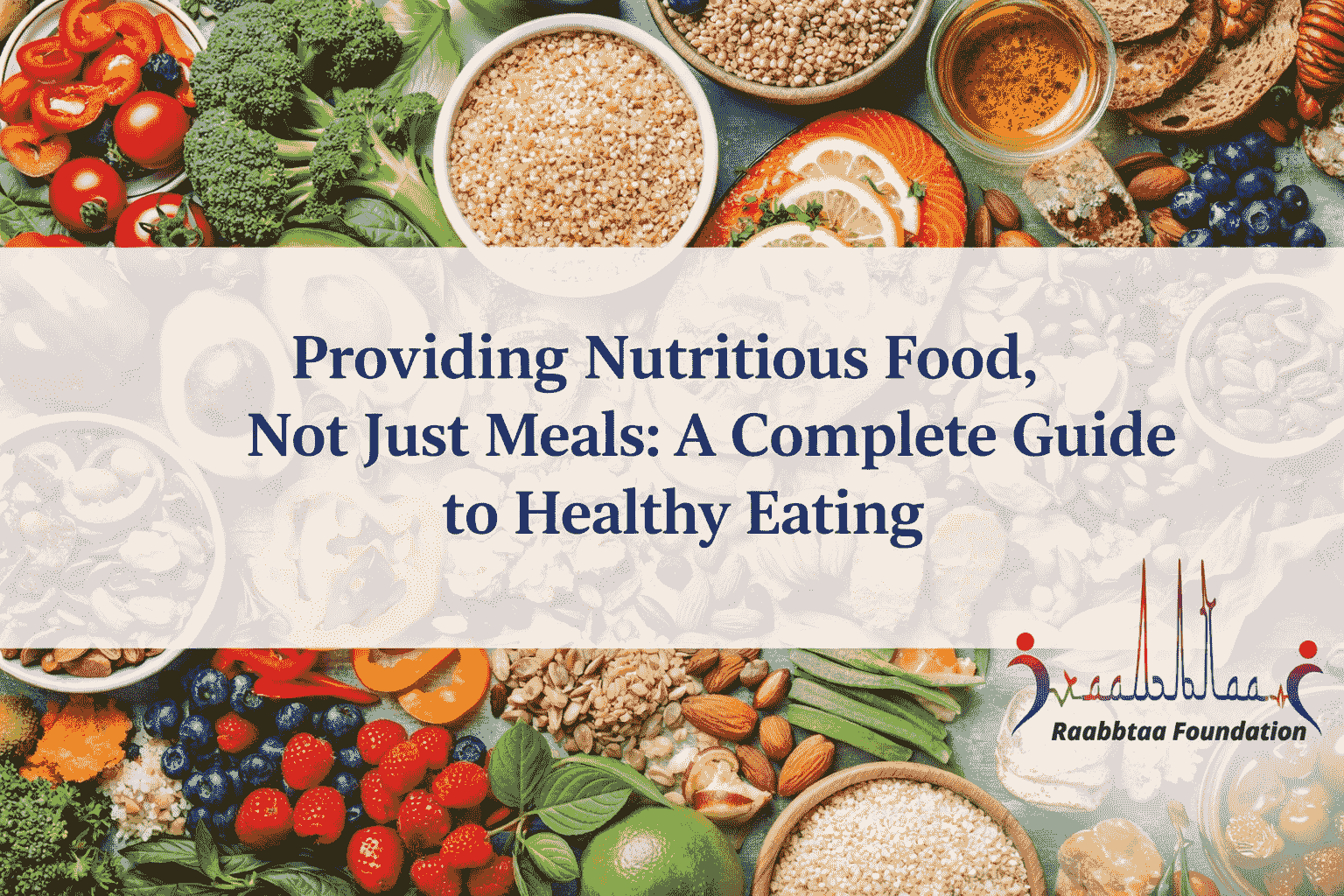
In today’s fast-paced world, eating often becomes a routine task rather than a mindful practice. Many people focus on simply consuming meals to satisfy hunger, but true wellness comes from providing nutritious food, not just meals. Nutritious food fuels the body, strengthens immunity, supports mental clarity, and promotes long-term health. Understanding the difference between eating for fullness and eating for nourishment is essential for individuals, families, and organizations committed to better living.
This comprehensive guide explores why nutritious food matters, how it impacts overall well-being, and practical ways to ensure every meal delivers real nutritional value.
What Does Providing Nutritious Food Mean?
Providing nutritious food means offering meals that contain essential nutrients the body needs to function properly. These nutrients include carbohydrates, proteins, healthy fats, vitamins, minerals, and water. A nutritious meal is not defined by quantity or taste alone; it is determined by its nutritional density, balance, and quality of ingredients.
Nutritious food focuses on:
Whole and minimally processed ingredients
Balanced macronutrients
Adequate micronutrients
Proper portion sizes
Variety across food groups
In contrast, meals lacking nutrition may be high in calories but low in vitamins and minerals. Such meals may temporarily satisfy hunger but fail to support long-term health.
Why Nutritious Food Is More Important Than Just Eating
Supports Physical Health
A nutritious diet provides the building blocks the body needs to repair tissues, produce hormones, and maintain organ function. Diets rich in fruits, vegetables, whole grains, and lean proteins reduce the risk of chronic diseases such as heart disease, diabetes, and obesity.
Enhances Mental Performance
The brain relies on nutrients such as omega-3 fatty acids, B vitamins, and antioxidants to function optimally. Providing nutritious food improves focus, memory, and mood stability, making it essential for students, professionals, and seniors alike.
Strengthens Immunity
A balanced diet rich in vitamins C, D, zinc, and antioxidants strengthens the immune system. When individuals consistently consume nutritious meals, their bodies are better prepared to fight infections and recover faster from illness.
Promotes Long-Term Wellness
Eating nutritious food is not a short-term trend; it is a lifelong investment. Healthy eating habits established early can significantly reduce healthcare costs, improve quality of life, and extend longevity.
Key Components of Nutritious Food
Understanding what makes food nutritious is crucial for making informed dietary choices. A well-balanced meal typically contains the following components:
Complex Carbohydrates
Complex carbohydrates such as whole grains, legumes, and vegetables provide steady energy. Unlike refined sugars, they release glucose gradually, preventing energy crashes and supporting sustained productivity.
High-Quality Protein
Protein is essential for muscle repair, immune function, and enzyme production. Sources of high-quality protein include lean meats, fish, eggs, dairy, beans, lentils, tofu, and nuts.
Healthy Fats
Healthy fats support brain health, hormone production, and nutrient absorption. Foods like avocados, olive oil, nuts, seeds, and fatty fish are excellent sources.
Vitamins and Minerals
Micronutrients regulate bodily processes and prevent deficiencies. Colorful fruits and vegetables are especially rich in essential vitamins and minerals.
Fiber and Hydration
Fiber aids digestion and supports gut health, while adequate water intake maintains hydration and metabolic balance. Together, they form the foundation of digestive wellness.
The Difference Between Filling Meals and Nutritious Meals
Many meals today are designed for convenience rather than nutrition. Fast food, processed snacks, and sugary beverages may be quick and satisfying, but they often lack essential nutrients. Understanding the distinction between filling meals and nutritious meals is vital.
Filling Meals
High in calories
Low in nutrients
Often processed
Provide short-term energy
Nutritious Meals
Balanced in nutrients
Rich in vitamins and minerals
Made with whole ingredients
Support sustained energy
Choosing nutritious meals ensures that every bite contributes to overall health rather than just temporary satisfaction.
Benefits of Providing Nutritious Food at Home
Families play a central role in shaping eating habits. Providing nutritious food at home encourages lifelong healthy behaviors and fosters a positive relationship with food.
Builds Healthy Habits in Children
Children who grow up eating balanced meals are more likely to continue healthy eating patterns as adults. Nutritious meals help support growth, cognitive development, and emotional stability.
Strengthens Family Bonds
Preparing and sharing nutritious meals together promotes communication and connection. Family meals encourage mindful eating and reduce reliance on processed foods.
Improves Overall Lifestyle
Households that prioritize nutritious food often adopt healthier routines, including regular physical activity, proper sleep schedules, and stress management practices.
Importance of Nutritious Food in Schools and Workplaces
Providing nutritious food is not only a personal responsibility but also a societal one. Institutions such as schools and workplaces have a significant influence on dietary habits.
Schools
Nutritious meals in schools enhance student concentration, attendance, and academic performance. Balanced school lunches help children maintain energy levels throughout the day and support healthy growth.
Workplaces
Employers who provide nutritious food options contribute to employee well-being and productivity. Healthy snacks and meals reduce fatigue, improve focus, and lower absenteeism due to illness.
Practical Strategies for Providing Nutritious Food
Adopting a nutritious diet does not require drastic changes. Small, consistent improvements can transform eating habits over time.
Plan Balanced Meals
Meal planning ensures that each dish includes protein, fiber, healthy fats, and complex carbohydrates. Planning ahead also reduces reliance on unhealthy convenience foods.
Choose Whole Ingredients
Whole foods such as fresh vegetables, fruits, grains, and lean proteins are naturally nutrient-dense. Limiting processed foods helps maintain nutritional quality.
Practice Portion Control
Even nutritious food should be consumed in appropriate portions. Balanced serving sizes prevent overeating and maintain a healthy weight.
Read Food Labels
Understanding nutrition labels helps identify hidden sugars, excessive sodium, and unhealthy fats. Informed choices lead to better dietary outcomes.
Cook More at Home
Home-cooked meals allow full control over ingredients, cooking methods, and portion sizes. Cooking at home is one of the most effective ways to ensure nutritious eating.
Common Challenges and How to Overcome Them
Many people want to eat healthier but face obstacles. Recognizing these challenges makes it easier to develop sustainable solutions.
Lack of Time
Busy schedules often lead to fast food consumption. Preparing meals in advance, batch cooking, and using simple recipes can save time while maintaining nutrition.
Budget Constraints
Nutritious food does not have to be expensive. Buying seasonal produce, choosing store brands, and cooking in bulk can make healthy eating affordable.
Limited Knowledge
Some individuals struggle with understanding nutrition basics. Learning simple guidelines can help:
Fill half your plate with vegetables
Choose whole grains over refined grains
Include lean protein in every meal
Education empowers better food decisions.
Role of Nutritional Awareness in Modern Society
Modern lifestyles often prioritize speed and convenience, which can lead to poor dietary choices. Increasing awareness about the importance of providing nutritious food can transform public health outcomes.
Public health campaigns, educational programs, and community initiatives all play a role in promoting balanced nutrition. When people understand how food affects their bodies, they become more motivated to choose healthier options.
Technology also contributes to nutritional awareness. Mobile apps, online meal planners, and digital health platforms make it easier to track nutrients, monitor calorie intake, and plan balanced meals.
Nutritious Food and Disease Prevention
A nutrient-rich diet is one of the most powerful tools for preventing illness. Research consistently shows that balanced nutrition reduces the risk of many chronic conditions.
Health benefits of nutritious food include:
Lower cholesterol levels
Improved blood sugar control
Reduced inflammation
Better digestive health
Stronger bones and muscles
By prioritizing nutritious food, individuals can significantly improve their long-term health outcomes and reduce dependence on medication.
Tips for Making Nutritious Food Appealing
Some people associate healthy eating with bland or restrictive diets. However, nutritious food can be flavorful, satisfying, and enjoyable.
Use herbs and spices instead of excess salt
Experiment with international cuisines
Combine different textures and colors
Try new fruits and vegetables regularly
Prepare visually appealing plates
Making nutritious food enjoyable increases the likelihood of maintaining healthy eating habits.
Sustainable Nutrition for the Future
Providing nutritious food also has environmental implications. Sustainable food choices support both personal health and the health of the planet.
Sustainable nutrition involves:
Choosing locally sourced foods
Reducing food waste
Supporting responsible farming practices
Eating more plant-based meals
These practices not only improve nutrition but also contribute to environmental conservation and global food security.
The Long-Term Impact of Choosing Nutrition Over Convenience
When individuals consistently choose nutritious food over convenience meals, the benefits accumulate over time. Improved energy, better mood, enhanced immunity, and reduced disease risk become noticeable. More importantly, healthy eating becomes a natural lifestyle rather than a forced habit.
Long-term commitment to nutritious food also influences future generations. Children who observe healthy eating behaviors are more likely to adopt them, creating a positive cycle of wellness.
Conclusion: Nourishment Is More Than a Meal
Providing nutritious food, not just meals, is a powerful approach to improving health, productivity, and quality of life. Meals should not merely fill the stomach; they should nourish the body, support mental clarity, and promote longevity. By focusing on balanced nutrition, whole ingredients, and mindful eating, individuals and communities can build a healthier future.
Choosing nutritious food is not about perfection or strict dieting. It is about making consistent, informed choices that prioritize well-being. Whether at home, school, or work, providing nutritious food ensures that every meal becomes an opportunity to fuel the body and thrive.