Hunger and food insecurity remain major challenges in many parts of the world, especially in developing countries. Millions of people struggle daily to access nutritious meals due to poverty, unemployment, and lack of resources. In response to this growing crisis, **mobile food vans for the poor** have emerged as an effective and compassionate solution.
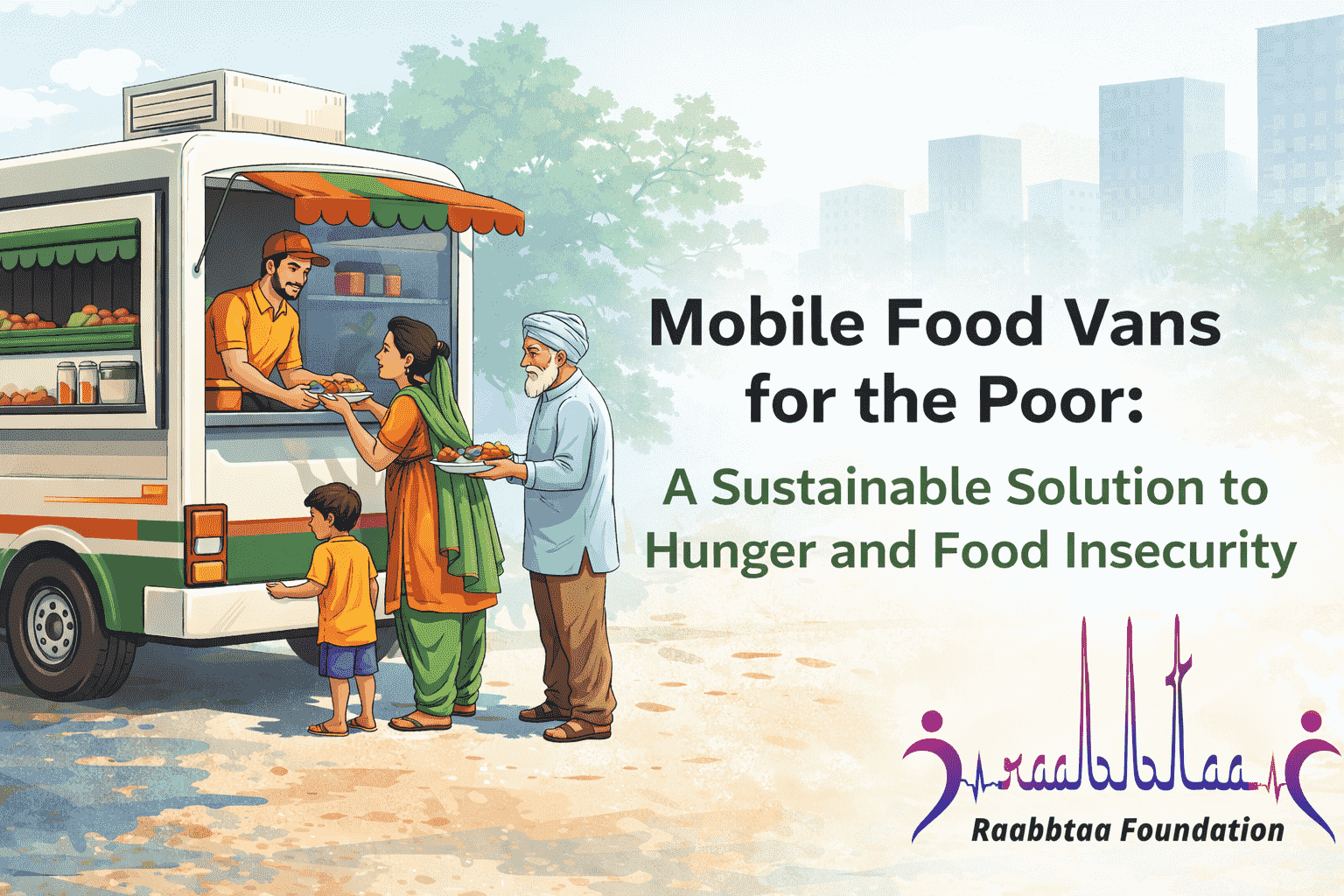
Mobile food vans are vehicles equipped to cook or distribute food directly to underserved communities. These vans travel to slums, construction sites, rural areas, and places where homeless populations live, ensuring that food reaches those who need it the most.
In this article, we will explore how mobile food vans work, their benefits, challenges, and how organizations and individuals can support these initiatives.
What Are Mobile Food Vans for the Poor?
Mobile food vans are specially designed vehicles used to prepare or distribute meals to underprivileged communities. Unlike traditional food banks or kitchens, mobile vans bring food directly to people who cannot travel to fixed locations.
These vans may be operated by:
* Non-governmental organizations (NGOs)
* Religious charities
* Community groups
* Government welfare programs
* Private donors and volunteers
Mobile food vans often provide:
* Cooked meals
* Drinking water
* Fruits and snacks
* Nutritional supplements for children
As a result, they serve as a lifeline for many families living in poverty.
Why Mobile Food Vans Are Important
1. Reaching Remote and Underserved Areas
Many poor communities live far from food distribution centers. Transportation costs and lack of access prevent them from getting assistance. Mobile vans solve this problem by delivering food directly to their neighborhoods.
2. Helping the Homeless
Homeless individuals often lack access to cooking facilities or regular meals. Mobile food vans provide hot meals, which are essential for their health and survival.
3. Supporting Daily Wage Workers
Daily wage workers sometimes skip meals due to low income. Affordable or free meals from mobile vans ensure they remain healthy and productive.
4. Reducing Malnutrition
Children in low-income families are especially vulnerable to malnutrition. Mobile food initiatives often include protein-rich and balanced meals that support growth and development.
How Mobile Food Vans Work
Mobile food vans operate through a structured system to ensure efficiency and hygiene.
Food Preparation
Food may be prepared:
* In central kitchens
* Inside the van itself
* At partner restaurants or community kitchens
Distribution Routes
Organizations identify high-need areas and plan routes to maximize impact. Vans often follow a fixed schedule so communities know when to expect them.
Volunteer Support
Volunteers play a crucial role in:
* Cooking and packing food
* Distributing meals
* Managing logistics
Funding and Donations
Mobile food vans are usually funded through:
* Donations
* Corporate social responsibility (CSR) programs
* Zakat and charity funds
* Community fundraising
Mobile Food Vans and Women’s Empowerment
Mobile food programs often create employment opportunities for women. Women can participate in:
* Cooking
* Packaging
* Managing distribution
This not only provides income but also enhances skills and confidence.
Furthermore, feeding programs often prioritize pregnant women and mothers, improving maternal health outcomes.
The Role of NGOs and Community Organizations
Non-profit organizations play a major role in running mobile food vans. Their work includes:
* Identifying target communities
* Ensuring food quality
* Coordinating volunteers
* Managing finances
* Raising awareness
Many NGOs also collaborate with local businesses and supermarkets to reduce food waste by redistributing surplus food.
Technology and Innovation in Mobile Food Distribution
Technology is improving the efficiency of mobile food programs.
Examples include:
* GPS route planning to optimize delivery
* Mobile apps for volunteer coordination
* Digital donation platforms
* Real-time tracking of food distribution
These innovations help organizations serve more people effectively.
Government Support and Policy Initiatives
Governments in many regions are recognizing the importance of mobile food distribution.
Some initiatives include:
* Subsidized food programs
* Partnerships with NGOs
* Nutrition programs for children and pregnant women
Public-private partnerships can significantly expand the reach of mobile food vans.
Mobile Food Vans During Emergencies
Mobile food vans proved extremely valuable during crises such as pandemics and natural disasters.
During emergencies:
* Many workers lose jobs
* Supply chains are disrupted
* Vulnerable populations increase
Mobile vans provide immediate relief, preventing starvation and distress.
The Future of Mobile Food Vans
The future of mobile food vans looks promising. With increased awareness and community participation, these programs can expand significantly.
Future improvements may include:
* Solar-powered vans
* Centralized food distribution networks
* Smart logistics systems
* Larger volunteer networks
Such advancements will help reach more people in need.
Why Fighting Hunger Matters
Hunger affects not only individuals but entire communities.
Consequences of hunger include:
* Poor education outcomes
* Health problems
* Reduced productivity
* Increased poverty cycles
Providing food is one of the most basic and powerful ways to improve society.
Tips for Starting a Mobile Food Van Initiative
If you are planning to start a mobile food van program, consider these steps:
1. Identify target communities
2. Secure funding or sponsorship
3. Purchase or modify a vehicle
4. Partner with local suppliers
5. Recruit volunteers
6. Follow hygiene and safety regulations
7. Create a distribution schedule
Starting small and scaling gradually is often the best approach.
Conclusion
Mobile food vans for the poor are a powerful and practical solution to hunger and food insecurity. By delivering nutritious meals directly to those in need, these initiatives improve health, dignity, and hope.
With support from communities, NGOs, governments, and individuals, mobile food programs can expand and help millions of people lead healthier lives.
Hunger is a solvable problem, and mobile food vans are proving that even simple solutions can make a big difference.