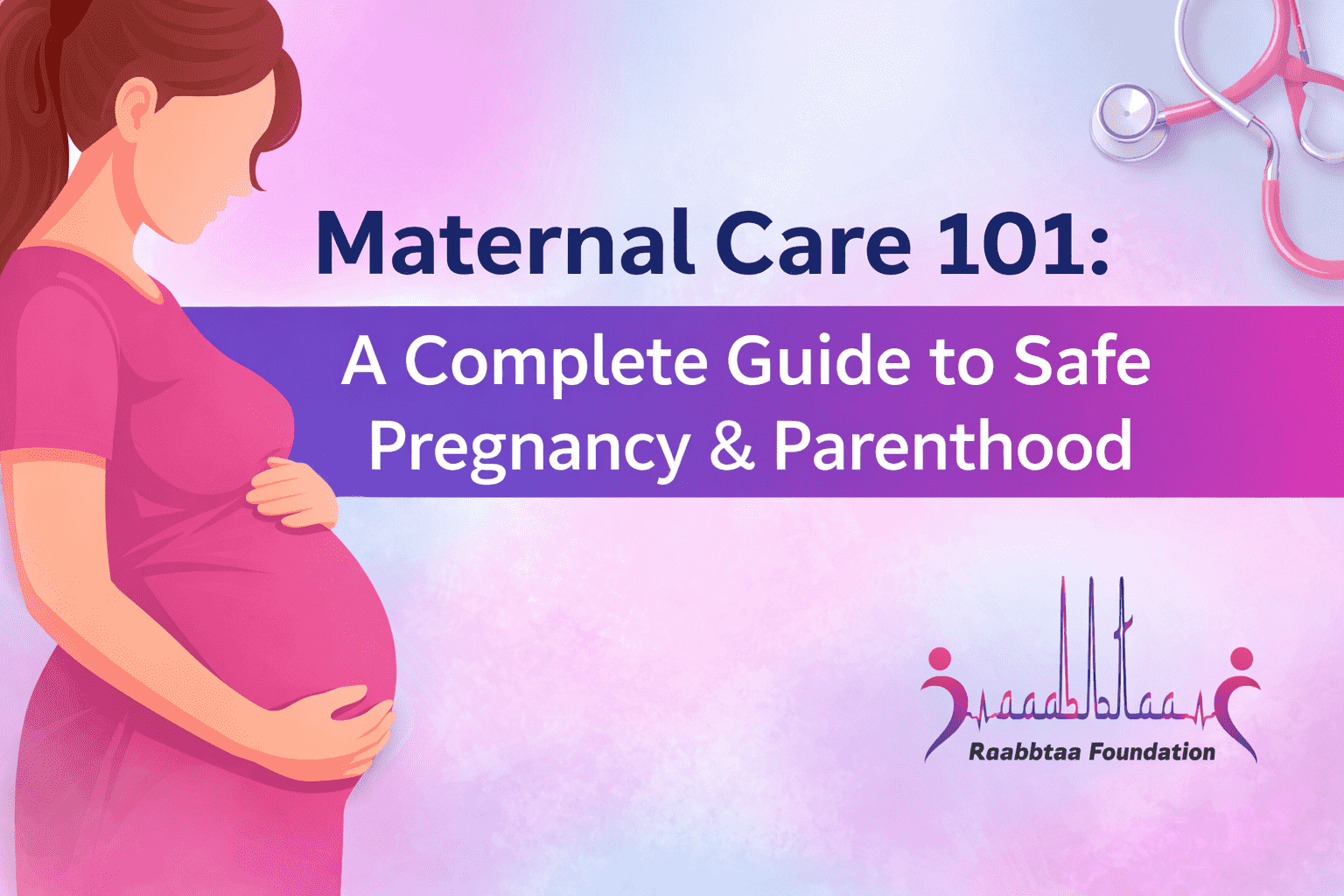
Pregnancy is one of the most beautiful journeys in a woman’s life. However, it is also a time that requires special care, attention, and support. Therefore, understanding proper maternal care becomes essential for both mother and baby.
Moreover, maternal health does not begin at delivery. Instead, it starts long before conception and continues well into parenthood. As a result, every stage deserves thoughtful planning and medical guidance.
In this complete guide, you will learn how to ensure a safe, healthy, and confident journey from pregnancy to parenthood.
What Is Maternal Care?
Maternal care refers to the medical, emotional, and physical support provided to women during pregnancy, childbirth, and after delivery. In other words, it focuses on protecting both the mother’s and baby’s well-being.
Additionally, maternal care includes:
Prenatal checkups
Nutritional guidance
Mental health support
Safe delivery planning
Postnatal recovery care
Because every pregnancy is unique, personalized care plays a vital role. Consequently, regular monitoring helps prevent complications and promotes healthy development.
Importance of Maternal Care During Pregnancy
Maternal care during pregnancy is crucial for reducing health risks. Furthermore, it helps detect potential issues early.
Preventing Pregnancy Complications
With regular prenatal visits, doctors can identify conditions such as:
Gestational diabetes
High blood pressure
Anemia
Infections
As a result, early treatment becomes possible. Therefore, mothers stay healthier throughout pregnancy.
Supporting Baby’s Development
Proper nutrition and medical supervision directly impact fetal growth. Moreover, vitamins, minerals, and ultrasounds ensure the baby develops properly.
Consequently, maternal care improves birth outcomes and lowers infant mortality rates
Prenatal Care: The Foundation of a Healthy Pregnancy
Prenatal care is the backbone of maternal health. Therefore, it should begin as soon as pregnancy is confirmed.
Regular Medical Checkups
Routine doctor visits help monitor both mother and baby. In addition, these visits provide opportunities to discuss symptoms and concerns.
Typically, prenatal appointments include:
Blood tests
Blood pressure checks
Ultrasound scans
Weight monitoring
As a result, any abnormalities can be addressed promptly.
Essential Prenatal Tests
Prenatal screenings are essential for early diagnosis. For instance, doctors may recommend:
Genetic screening
Glucose tests
Infection screening
Therefore, parents can make informed healthcare decisions.
Nutrition and Diet for Expecting Mothers
A balanced diet is essential during pregnancy. Consequently, proper nutrition supports energy levels and fetal growth.
Key Nutrients for Pregnancy
Expectant mothers should focus on:
Folic acid for brain development
Iron for blood production
Calcium for bone strength
Protein for tissue growth
Omega-3 for brain health
Moreover, prenatal supplements can help fill nutritional gaps.
Foods to Include and Avoid
Healthy foods include:
Fresh fruits and vegetables
Whole grains
Lean proteins
Dairy products
On the other hand, pregnant women should avoid:
Raw seafood
Excess caffeine
Alcohol
Processed foods
By following dietary guidelines, mothers can reduce risks significantly.
Emotional and Mental Well-Being During Pregnancy
Pregnancy affects both physical and emotional health. Therefore, mental wellness should never be overlooked.
Managing Stress and Anxiety
Hormonal changes often cause mood swings. However, relaxation techniques can help.
For example:
Meditation
Deep breathing
Prenatal yoga
Journaling
As a result, mothers feel calmer and more confident.
Seeking Emotional Support
Support from partners, family, and friends is essential. Moreover, professional counseling may help if anxiety becomes overwhelming.
Consequently, emotional stability promotes healthier pregnancies.
Preparing for Childbirth
Proper preparation reduces fear and uncertainty. Therefore, expecting parents should plan ahead.
Creating a Birth Plan
A birth plan outlines preferences for:
Delivery method
Pain management
Support persons
Emergency procedures
Although flexibility is necessary, having a plan provides peace of mind.
Choosing the Right Healthcare Provider
Selecting a trusted doctor or midwife is vital. Furthermore, good communication builds confidence and trust.
As a result, mothers feel more secure during labor.
Role of Family and Community Support
Maternal care is not a solo journey. Instead, it requires collective effort.
Partner Support
Partners play a major role in emotional and physical support. For example, attending appointments and helping with household tasks reduces stress.
Community and Healthcare Programs
Government and private programs offer valuable resources. These include:
Free checkups
Nutrition support
Parenting classes
As a result, families receive comprehensive care.
Tips for a Healthy Pregnancy Journey
To ensure optimal maternal health, follow these tips:
Attend all prenatal appointments
Eat balanced meals
Stay hydrated
Get enough rest
Exercise regularly
Avoid harmful substances
Communicate with healthcare providers
By following these steps, mothers can enjoy a safer pregnancy.
Conclusion: Building a Strong Foundation for Motherhood
Maternal care is the cornerstone of a healthy family. From pregnancy to parenthood, every stage matters. Therefore, investing in proper medical care, nutrition, and emotional support is essential.
Moreover, informed parents make better decisions. As a result, both mother and baby thrive.
By prioritizing maternal care during pregnancy and beyond, families can build a strong, happy, and healthy future together.
Proper preparation reduces fear and uncertainty. Therefore, expecting parents should plan ahead.