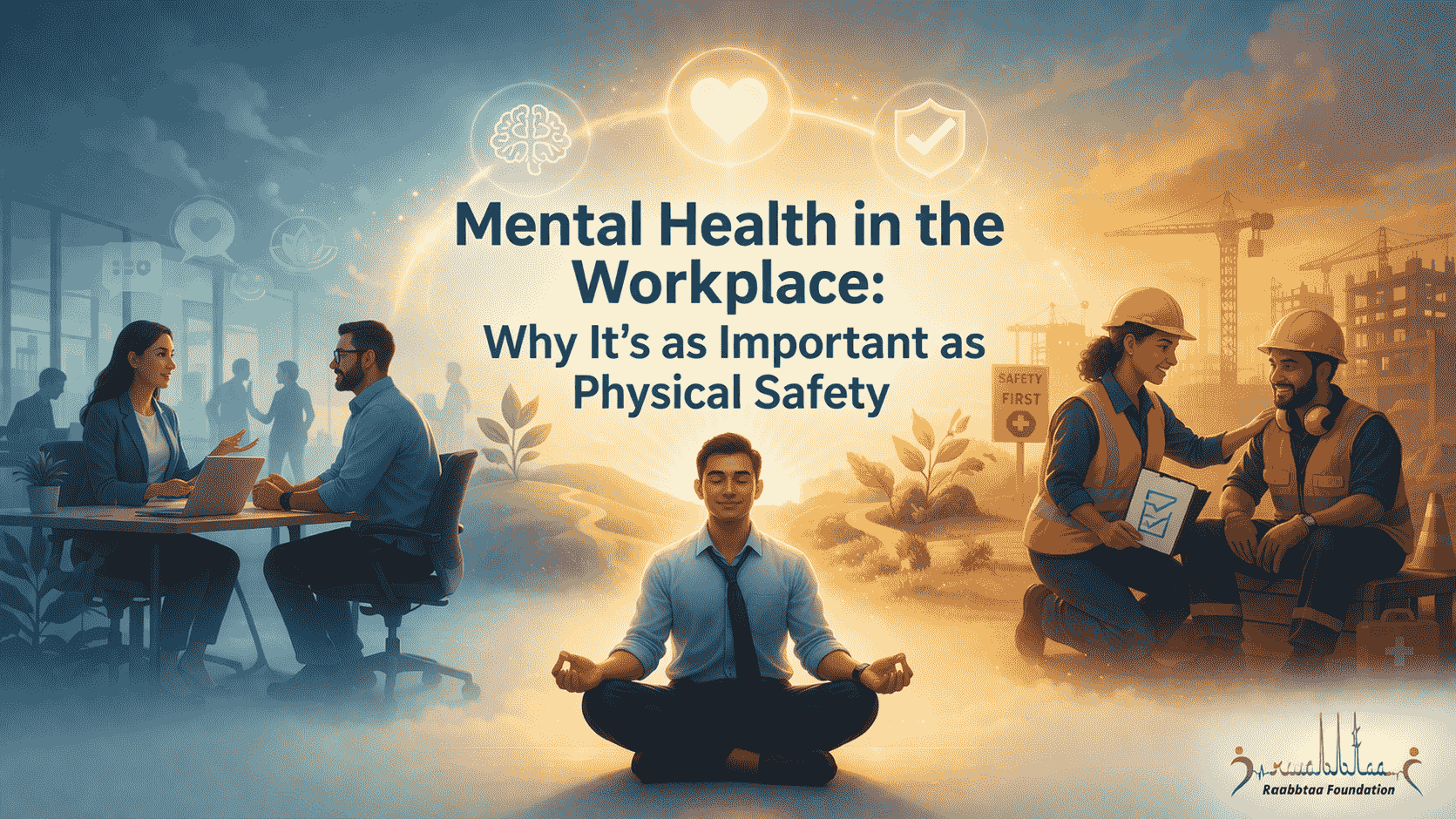
Mental health in the workplace is no longer a “nice-to-have.” Instead, it has become a core pillar of a safe, productive, and sustainable work environment. For decades, organizations focused heavily on physical safety. However, while hard hats, safety drills, and protective equipment remain essential, mental well-being deserves equal attention.
Today’s employees face constant pressure, tight deadlines, digital overload, and work-life imbalance. As a result, mental health challenges are rising rapidly. Therefore, businesses that ignore psychological safety risk higher turnover, lower productivity, and long-term reputational damage.
In this article, we will explore why mental health in the workplace is as important as physical safety, how it impacts employees and organizations, and what employers can do to create a mentally healthy workplace.
Understanding Mental Health in the Workplace
Mental health in the workplace refers to an employee’s emotional, psychological, and social well-being while at work. It affects how people think, feel, communicate, and perform their tasks daily.
Moreover, workplace mental health is influenced by several factors, including:
Workload and job demands
Management style and leadership support
Job security and role clarity
Workplace culture and relationships
When these elements are poorly managed, stress levels increase. Consequently, anxiety, burnout, and depression may follow.
Why Mental Health Matters as Much as Physical Safety
Physical safety hazards are visible. Mental health risks, however, are often hidden. Nevertheless, both can be equally harmful if ignored.
Invisible Risks Can Be Just as Dangerous
While a broken machine can cause immediate injury, chronic stress can lead to long-term damage. Over time, untreated mental health issues may cause:
Heart disease
High blood pressure
Sleep disorders
Substance abuse
Therefore, mental health should be treated with the same urgency as physical safety protocols.
Mental Health Directly Impacts Job Performance
Employees struggling mentally often find it hard to concentrate. As a result, mistakes increase and productivity drops. In contrast, mentally healthy employees are more engaged, creative, and resilient.
Because of this, mental health at work directly affects:
Decision-making
Team collaboration
Customer satisfaction
Overall business performance
The Cost of Ignoring Workplace Mental Health
Ignoring mental health in the workplace can be expensive. In fact, the cost goes far beyond healthcare bills.
Increased Absenteeism and Presenteeism
When employees feel overwhelmed, they may take frequent sick days. However, even when they show up, they might not function at full capacity. This phenomenon, known as presenteeism, silently drains productivity.
As a result, organizations face:
Missed deadlines
Reduced efficiency
Higher operational costs
Higher Employee Turnover
Employees who feel unsupported are more likely to leave. Consequently, companies must spend more on recruitment, training, and onboarding. Over time, this cycle weakens team morale and disrupts workflow.
The Link Between Mental Health and Physical Safety
Mental health and physical safety are deeply connected when employees are mentally exhausted, their risk of physical injury increases.
For example:
A stressed worker may ignore safety procedures
A fatigued employee may lose focus around machinery
An anxious worker may struggle with decision-making
Therefore, protecting mental health also helps prevent physical accidents.
Common Mental Health Challenges in the Workplace
Understanding common mental health challenges helps organizations respond effectively.
Work-Related Stress
Workplace stress occurs when job demands exceed an employee’s capacity. While short-term stress can motivate, chronic stress is harmful. Over time, it can lead to burnout and serious health issues.
Burnout
Burnout is characterized by emotional exhaustion, cynicism, and reduced performance. It often develops when employees feel undervalued or overworked. Therefore, early intervention is crucial.
Anxiety and Depression
Anxiety and depression are among the most common mental health conditions globally. Unfortunately, stigma often prevents employees from seeking help. As a result, symptoms may worsen silently.
Benefits of Prioritizing Mental Health in the Workplace
Investing in employee mental well-being delivers measurable benefit
Improved Productivity and Engagement
When employees feel mentally supported, they perform better. Moreover, they are more likely to stay focused, motivated, and committed to their roles.
Stronger Workplace Culture
A mentally healthy workplace promotes trust, openness, and collaboration. Consequently, employees feel safe to express concerns and share ideas.
Enhanced Employer Brand
Companies that prioritize mental health are seen as responsible and caring. As a result, they attract top talent and build long-term loyalty.
The Role of Employees in Maintaining Mental Well-Being
While employers have responsibilities, employees also play an important role.
Employees should:
Set healthy boundaries
Take regular breaks
Seek help when needed
Support colleagues
By doing so, they contribute to a healthier workplace for everyone.
Breaking the Stigma Around Mental Health
Despite progress, stigma remains a major barrier. Many employees fear being judged or penalized for speaking up. However, organizations must actively challenge these misconceptions.
Awareness campaigns, training sessions, and leadership advocacy help normalize mental health discussions. Over time, this builds a culture of empathy and understanding.
Mental Health Policies: A Workplace Necessity
Mental health policies provide structure and accountability. They ensure consistent support and clarify available resources.
Effective policies should include:
Clear reporting channels
Confidential support systems
Anti-discrimination protections
Regular mental health assessments
Therefore, policies transform good intentions into actionable change.
The Future of Mental Health in the Workplace
The future of work demands a stronger focus on mental health. As workplaces evolve, psychological safety will become a key performance indicator.
Organizations that adapt now will be better prepared for:
Remote and hybrid work challenges
Changing employee expectations
Increased competition for skilled talent
Consequently, mental health will define successful workplaces in the years ahead.
Conclusion: Mental Health Is Workplace Safety
Mental health in the workplace is just as important as physical safety — and ignoring it is no longer an option. While physical hazards can cause immediate harm, mental health challenges quietly erode performance, morale, and lives.
By prioritizing employee mental well-being, organizations create safer, more productive, and more human workplaces. Ultimately, when mental health is protected, everyone benefits.