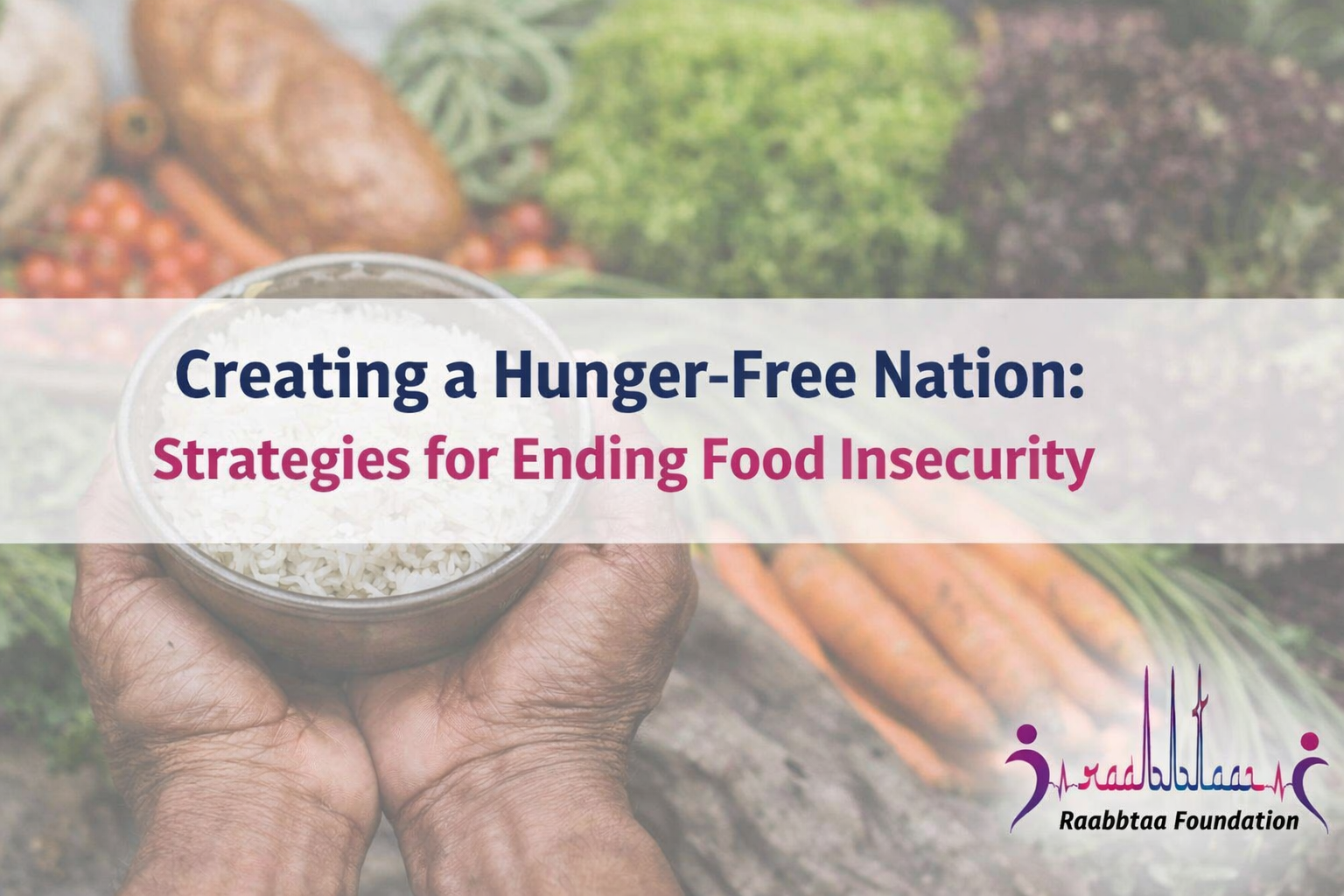
Creating a Hunger-Free Nation: A Path Toward Food Security and Social Justice
Creating a hunger-free nation is not just a dream. Instead, it is a necessary goal for building a healthy and productive society. Every day, millions of people struggle to access nutritious food. As a result, poverty, malnutrition, and inequality continue to rise.
However, hunger is not inevitable. With proper planning, strong policies, and community participation, it is possible to eliminate food insecurity. Moreover, when people work together, sustainable solutions emerge.
In this article, we will explore how creating a hunger-free nation can become a reality. Additionally, we will discuss practical strategies, policy measures, and community initiatives that can transform lives.
Understanding the Reality of Hunger and Food Insecurity
Before solving any problem, it is important to understand it. Hunger refers to the lack of regular access to enough nutritious food. Meanwhile, food insecurity affects both urban and rural populations.
According to global reports, millions of families skip meals every day. Consequently, children suffer from stunted growth, and adults face health complications. Furthermore, hunger reduces productivity and limits economic development.
Although food is produced in large quantities, distribution remains unequal. Therefore, many communities remain underserved. In addition, natural disasters and economic crises worsen the situation.
As a result, addressing hunger requires a comprehensive and inclusive approach.
Why Creating a Hunger-Free Nation Matters
Ending hunger is not only a moral responsibility. It is also an economic and social necessity. When people are well-nourished, they perform better in school and at work.
Moreover, healthy citizens contribute to national growth. In contrast, malnutrition increases healthcare costs and reduces workforce efficiency. Therefore, investing in food security strengthens national stability.
Additionally, hunger-free societies promote social harmony. When basic needs are met, crime and unrest decline. Consequently, peace and prosperity flourish.
For this reason, governments and organizations must prioritize food security initiatives.
Role of Sustainable Agriculture in Fighting Hunger
Sustainable agriculture plays a crucial role in creating a hunger-free nation. It ensures long-term food production without harming the environment.
First, eco-friendly farming methods preserve soil fertility. As a result, farmers can grow crops year after year. Second, water conservation techniques improve crop yields. Therefore, food shortages are reduced.
Furthermore, supporting small farmers strengthens local food systems. When farmers receive fair prices, they invest in better tools and seeds. Consequently, productivity increases.
In addition, organic and climate-smart farming protects biodiversity. Thus, future generations benefit from resilient ecosystems.
Strengthening Food Distribution Systems
Producing food alone is not enough. It must reach those who need it most. Therefore, strong distribution networks are essential.
Firstly, efficient transportation reduces food waste. As a result, more food reaches markets and households. Secondly, storage facilities preserve perishable items. Therefore, spoilage is minimized.
Moreover, digital supply chains improve transparency. When data is shared, shortages can be identified quickly. Consequently, authorities can respond effectively.
In addition, public-private partnerships improve logistics. Thus, rural and remote areas gain better access to food.
Government Policies and Social Protection Programs
Government intervention is vital in eliminating hunger. Through effective policies, vulnerable populations receive essential support.
For example, food subsidy programs make staples affordable. Therefore, low-income families can meet their nutritional needs. Similarly, school meal programs improve child health and attendance.
Furthermore, employment schemes increase household income. As a result, families can purchase quality food. In addition, minimum wage laws enhance purchasing power.
Meanwhile, agricultural subsidies encourage farmers to increase production. Consequently, food prices remain stable.
When policies are well-implemented, hunger levels decrease significantly.
Community Participation and Grassroots Initiatives
Communities are the backbone of hunger-free initiatives. When people take ownership, sustainable change occurs.
Local food banks provide emergency assistance. Therefore, families facing crises receive immediate relief. Likewise, community kitchens serve nutritious meals daily.
Moreover, urban gardening projects promote self-sufficiency. Residents grow vegetables in small spaces. Consequently, dependence on markets decreases.
Additionally, women’s self-help groups manage food distribution. Thus, empowerment and nutrition go hand in hand.
Through collective efforts, communities build resilience against hunger.
The Importance of Nutrition Education
Access to food is only part of the solution. People must also understand nutrition.
Firstly, awareness campaigns promote balanced diets. As a result, families make healthier choices. Secondly, cooking workshops teach affordable meal preparation. Therefore, food resources are used efficiently.
Furthermore, schools play a vital role in nutrition education. Children learn lifelong habits. Consequently, future generations become health-conscious.
In addition, healthcare workers guide mothers on infant nutrition. Thus, early development improves.
When people are informed, malnutrition rates decline steadily.
Technology and Innovation in Food Security
Modern technology is transforming food systems worldwide. Therefore, innovation is essential in creating a hunger-free nation.
For instance, mobile apps connect farmers to buyers. As a result, middlemen are reduced. Similarly, satellite data predicts weather patterns. Therefore, farmers prepare in advance.
Moreover, artificial intelligence optimizes crop management. Consequently, yields increase. In addition, blockchain improves supply chain transparency.
Meanwhile, digital payment systems support subsidy distribution. Thus, leakages are minimized.
By embracing technology, nations can overcome traditional barriers.
Role of NGOs and International Organizations
Non-governmental organizations play a significant role in fighting hunger. They bridge gaps between governments and communities.
For example, NGOs distribute food during emergencies. Therefore, disaster-affected populations survive critical periods. Similarly, they provide training programs for farmers.
Furthermore, international agencies fund nutrition projects. As a result, developing regions receive vital support. In addition, they promote best practices worldwide.
Meanwhile, advocacy groups influence policy reforms. Thus, hunger remains a priority issue.
Collaboration among stakeholders accelerates progress.
Challenges in Creating a Hunger-Free Nation
Despite efforts, several challenges remain. Therefore, continuous improvement is necessary.
Firstly, climate change affects crop production. As a result, droughts and floods cause shortages. Secondly, population growth increases food demand. Therefore, resources are stretched.
Moreover, political instability disrupts supply chains. Consequently, food access declines. In addition, corruption weakens welfare programs.
Meanwhile, economic inequality limits purchasing power. Thus, marginalized groups suffer most.
Addressing these challenges requires long-term commitment.
Practical Steps Individuals Can Take
Every individual can contribute to ending hunger. Small actions create big impacts.
Firstly, reducing food waste saves resources. Therefore, more food becomes available. Secondly, donating to food banks supports needy families.
Moreover, supporting local farmers strengthens food systems. Consequently, rural livelihoods improve. In addition, volunteering spreads awareness.
Meanwhile, advocating for fair policies influences decision-makers. Thus, citizen voices matter.
When individuals act responsibly, collective change occurs.
The Future Vision of a Hunger-Free Nation
A hunger-free nation is achievable with sustained efforts. It requires cooperation at every level.
In the future, smart agriculture will boost production. Therefore, food shortages will decline. Similarly, inclusive policies will protect vulnerable groups.
Moreover, empowered communities will manage resources effectively. Consequently, dependency will decrease. In addition, educated citizens will make informed choices.
Meanwhile, global partnerships will share innovations. Thus, progress will accelerate.
Together, societies can build a world without hunger.
Conclusion: Working Together for a Hunger-Free Tomorrow
Creating a hunger-free nation is both a challenge and an opportunity. It demands commitment, compassion, and collaboration.
Through sustainable farming, strong policies, and community engagement, hunger can be eliminated. Moreover, technology and education enhance long-term solutions.
Although obstacles exist, collective action can overcome them. Therefore, governments, organizations, and individuals must unite.
When everyone plays their part, no one goes hungry. Ultimately, a hunger-free nation leads to a healthier, fairer, and more prosperous future.