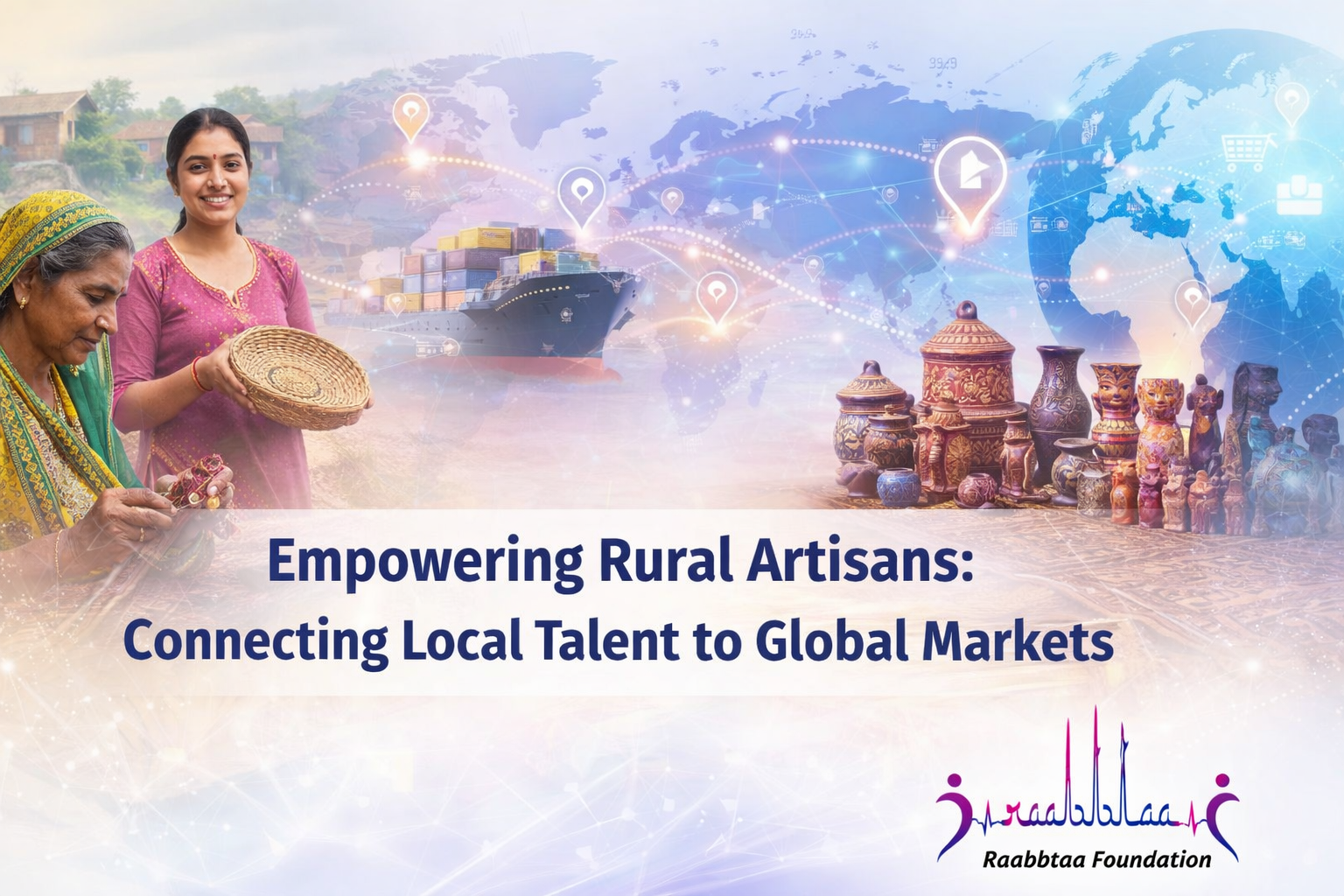
Empowering Rural Artisans: Connecting Local Talent to Global Markets
Empowering rural artisans is more than a development strategy — it is a movement toward economic inclusion, cultural preservation, and sustainable growth. Across developing regions, millions of artisans create extraordinary handmade products. However, despite their exceptional craftsmanship, many remain disconnected from global markets.
Today, digital technology, ethical trade models, and conscious consumers are reshaping opportunities. As a result, connecting local talent to global markets has become both achievable and transformative.
In this article, we explore how empowering rural artisans drives economic progress, preserves heritage, and builds resilient communities. Furthermore, we examine practical strategies that help artisans compete globally.
Why Empowering Rural Artisans Matters
Rural artisans represent an essential yet underserved economic segment. They contribute significantly to local economies while safeguarding traditional knowledge.
1. Economic Development in Rural Areas
First and foremost, rural artisan empowerment creates income stability. In many villages, agriculture is seasonal. Therefore, handicraft production provides year-round earning opportunities.
When artisans access international buyers, they:
Earn better profit margins
Reduce dependence on middlemen
Achieve financial independence
Strengthen household resilience
Consequently, rural economies experience sustainable growth.
2. Preservation of Cultural Heritage
Traditional weaving, pottery, embroidery, and wood carving reflect centuries of cultural identity. However, without market access, these art forms risk extinction.
By connecting local talent to global markets, communities:
Preserve indigenous craftsmanship
Pass skills to younger generations
Maintain cultural authenticity
Thus, artisan empowerment protects both livelihoods and legacy.
3. Women’s Economic Empowerment
Importantly, many rural artisans are women. When women gain direct access to markets, they gain decision-making power within households and communities.
Studies consistently show that women reinvest income in:
Education
Healthcare
Nutrition
Therefore, empowering rural artisans directly supports broader social development goals.
Challenges Faced by Rural Artisans
Despite their talent, rural artisans encounter structural barriers that limit global competitiveness.
Limited Market Access
Many artisans rely on local markets where purchasing power is low. Moreover, exploitative intermediaries often reduce artisan profits.
Without digital connectivity, artisans cannot:
Showcase products globally
Understand market demand
Build brand recognition
H3: Lack of Business Skills
Although artisans excel in craftsmanship, they may lack training in:
Pricing strategies
Branding and packaging
Financial management
Export regulations
As a result, scaling operations becomes difficult.
Infrastructure Constraints
Rural areas often face:
Poor internet connectivity
Limited transportation
Inconsistent supply chains
Consequently, timely delivery and quality control become ongoing challenges.
Connecting Local Talent to Global Markets
Fortunately, innovative models are bridging the gap between rural producers and international buyers.
1. E-Commerce Platforms for Rural Artisans
Digital platforms have revolutionized artisan trade. Today, online marketplaces allow artisans to sell directly to consumers worldwide.
Through digital platforms for rural artisans, they can:
Create online storefronts
Share product stories
Receive secure payments
Expand customer reach
Moreover, social commerce tools such as Instagram and Facebook enable storytelling-based marketing.
2. Fair Trade and Ethical Sourcing Models
Fair trade handicrafts have gained popularity among conscious consumers. Buyers increasingly prioritize:
Ethical sourcing
Sustainable production
Transparent supply chains
Food Safety and Quality Control Measures
Fair trade handicrafts have gained popularity among conscious consumers. Buyers increasingly prioritize:
Ethical sourcing
Sustainable production
Transparent supply chains
When artisans join fair trade networks, they receive:
Fair wages
Safe working conditions
Community investment support
Therefore, fair trade strengthens long-term rural artisan empowerment.
3. Capacity Building and Skill Development
Training programs significantly enhance global competitiveness. These programs often include:
Product standardization
Quality control systems
Digital literacy
Export documentation guidance
As a result, artisans become market-ready entrepreneurs rather than informal producers.
4. Branding and Storytelling
Modern consumers seek authenticity. Therefore, storytelling plays a crucial role in connecting local talent to global markets.
Successful artisan brands emphasize:
Cultural narratives
Handmade processes
Community impact
Sustainability values
This emotional connection increases product value and brand loyalty.
The Role of Technology in Rural Artisan Empowerment Technology is a powerful enabler of inclusive growth.
Mobile Banking and Digital Payments
Access to mobile banking allows artisans to:
Receive international payments
Save securely
Track transactions
Access microloans
Financial inclusion strengthens independence and scalability.
Supply Chain Transparency Tools
Blockchain and traceability solutions provide product authentication. Consequently, buyers trust product origins and ethical claims.
This transparency enhances global competitiveness.
Online Skill Development Platforms
E-learning platforms offer affordable business education. Through digital courses, artisans learn:
Marketing fundamentals
Product photography
Customer service strategies
Thus, knowledge gaps gradually close.
Building Sustainable Livelihoods for Artisans
Sustainability is central to empowering rural artisans.
Environmental Sustainability
Many rural artisans already use eco-friendly materials such as:
Natural dyes
Organic fibers
Recycled materials
When marketed correctly, sustainable production becomes a competitive advantage.
The Importance of Sustainability in Food Distribution
Sustainability is now a major focus in food logistics. Companies are adopting greener practices.
Eco-Friendly Packaging
Biodegradable and recyclable packaging reduces environmental damage. Therefore, many brands are switching to sustainable materials.
Energy-Efficient Warehouses
Solar panels, LED lighting, and smart climate systems save energy. As a result, operational costs decrease.
Reducing Carbon Footprint
Optimized routes and fuel-efficient vehicles reduce emissions. Consequently, businesses become more environmentally responsible.
How Food Distribution Impacts Consumers
Behind the scenes of food distribution directly affects your daily life.
First, it ensures consistent food availability. Therefore, you can shop anytime without shortages.
Second, it maintains affordability. Efficient logistics reduce costs, which keeps prices reasonable.
Third, it guarantees safety. Strict controls protect your health.
Finally, it improves convenience. Online grocery delivery is possible because of advanced distribution systems.
Empowering rural artisans requires a holistic ecosystem approach combining:
Market access
Financial inclusion
Capacity building
Policy support
Only then can connecting local talent to global markets achieve lasting impact.
Conclusion: A Path Toward Inclusive Global Growth
Empowering rural artisans is not merely an economic initiative. It is a pathway to inclusive global development.
By connecting local talent to global markets, we:
Strengthen rural economies
Preserve cultural heritage
Promote gender equality
Encourage sustainable production
Most importantly, we create dignified livelihoods.
In a rapidly globalizing world, equitable participation matters. Rural artisans possess immense talent and cultural richness. With the right support systems, they can thrive on the global stage.
Now is the time to transform traditional craftsmanship into sustainable global opportunity.