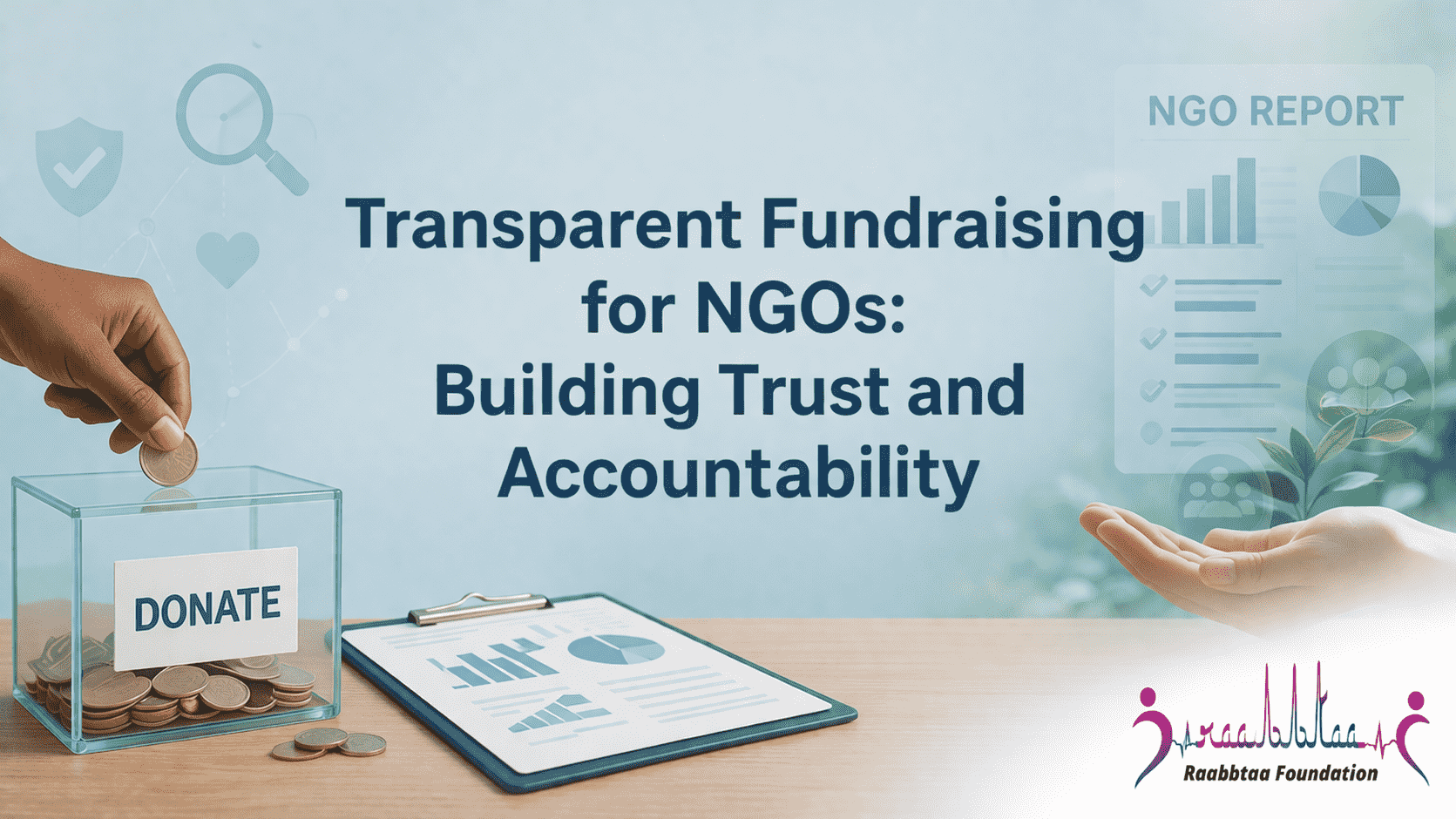
In today’s world, trust and accountability are the cornerstones of a successful NGO. Donors want to know that their contributions are making a real impact, and NGOs must demonstrate responsibility in how they manage funds. This is where transparent fundraising for NGOs comes into play.
By prioritizing transparency, NGOs not only boost donor confidence but also strengthen their credibility and long-term sustainability. This blog will guide you through the importance of transparent fundraising, strategies to implement it, and best practices for building trust with donors.
What is Transparent Fundraising?
Transparent fundraising** refers to the practice of openly sharing financial and operational information related to donations. It ensures that donors know exactly how their money is being used, which projects are funded, and the tangible results achieved.
Transparency is not just about numbers—it’s about **honesty, communication, and accountability**. It fosters trust between NGOs and their supporters and encourages a culture of openness within the organization.
Why Transparency Matters for NGOs
Transparency in fundraising offers multiple benefits for NGOs. Here are the key reasons:
1. Builds Donor Trust
Donors are more likely to support organizations that are **open about their finances**. When donors can see exactly where their money is going, they feel confident that their contributions are making a real difference.
For example, publishing annual reports or sharing detailed project expenses reassures donors that their support is valued and used responsibly.
2. Enhances Accountability
Transparent fundraising encourages NGOs to **manage funds responsibly**. Knowing that donors and stakeholders can track fund usage motivates the organization to minimize wastage and prioritize impact.
3. Increases Fundraising Success
Trust leads to loyalty. Donors who see transparency in action are more likely to **donate again** and recommend the NGO to others. This not only increases the NGO’s reach but also ensures a sustainable source of funding.
4. Strengthens NGO Reputation
A reputation for honesty and integrity sets NGOs apart. Transparent organizations attract partnerships, grants, and volunteers**, expanding their potential impact.
5. Compliance with Regulations
Many countries now require NGOs to **report financial activities and donation usage**. Transparency ensures compliance with legal requirements, avoiding fines and penalties.
Principles of Transparent Fundraising
To maintain transparency, NGOs should adhere to certain principles:
1. Financial Clarity
Provide clear reports of **income and expenditure**, including administrative costs, project funding, and operational expenses.
2. Open Communication
Maintain regular communication with donors through **newsletters, social media updates, and annual reports**. Keep donors informed about how funds are being used and the outcomes achieved.
3. Accountability Measures
Implement internal checks and audits to ensure that funds are used appropriately. Use independent audits** and share results with stakeholders.
4. Ethical Fundraising Practices
Avoid misleading claims or exaggerating outcomes. Ethical fundraising ensures that donors have realistic expectations about the impact of their contributions.
5. Documentation and Reporting
Maintain **detailed records** of all donations and expenditures. This helps in tracking progress, preparing reports, and responding to donor inquiries.
Strategies for Transparent Fundraising
Implementing transparent fundraising requires both strategic planning and consistent execution. Here are some effective strategies:
1. Publish Financial Reports
Regularly publishing **annual or quarterly financial reports** helps donors understand how funds are allocated. Include project-specific expenses, operational costs, and overheads.
2. Use Technology for Transparency
Modern tools such as **donation tracking software and blockchain-based platforms** allow donors to track funds in real-time. Transparency technology improves accountability and builds trust.
3. Clear Communication About Projects
Share detailed information about fundraising campaigns, including objectives, expected outcomes, and milestones. Transparency about project goals makes donors feel included in the NGO’s mission.
4. Show Impact Through Stories
Numbers alone are not enough. Use **impact stories, case studies, and testimonials** to show how donations are changing lives. Visual content, like videos and images, can make the impact tangible.
5. Open Access to Audits
Invite donors to view **independent audit reports**. This demonstrates a commitment to honesty and responsible management of funds.
6. Engage Donors in Decision-Making
Give donors opportunities to **provide feedback** or participate in project discussions. This collaborative approach increases trust and donor engagement.
Best Practices for NGO Fundraising Transparency
To maintain high standards of transparency, NGOs should adopt the following best practices:
1. Set Clear Fundraising Goals
Clearly communicate the purpose of fundraising campaigns. Include **target amounts, intended use of funds, and timelines**.
2. Separate Administrative Costs from Project Funds
Donors appreciate knowing how much of their donation goes **directly to the cause**. Make a clear distinction between project funding and operational expenses.
3. Regularly Update Donors
Provide **monthly or quarterly updates** about projects funded by donations. Include progress reports, challenges, and successes.
4. Publish Donor Recognition
Acknowledge donor contributions (with consent) to show appreciation and encourage transparency. Donor recognition can be through **newsletters, social media, or annual reports**.
5. Implement Governance Policies
Strong governance policies ensure that fundraising practices remain **ethical and transparent**. This includes conflict-of-interest policies, audit committees, and donation guidelines.
6. Use Multiple Channels for Transparency
Leverage **websites, social media, newsletters, and public events** to maintain visibility and openness about fundraising activities.
Challenges in Transparent Fundraising
Despite its benefits, transparent fundraising comes with challenges that NGOs must address:
1. Resource Constraints
Maintaining transparency requires **time, effort, and resources**. Small NGOs may struggle to dedicate staff for reporting and communication.
2. Fear of Donor Scrutiny
Some NGOs worry that sharing detailed financial information might expose inefficiencies or invite criticism. However, openness often strengthens credibility.
3. Data Privacy Concerns
Balancing transparency with **donor privacy** can be tricky. NGOs must ensure that personal information is protected while sharing financial reports.
4. Misinterpretation of Data
Donors may misinterpret financial data without proper context. NGOs must **explain reports clearly**, highlighting key takeaways.
Case Studies of Transparent NGOs
Here are examples of NGOs that successfully practice transparent fundraising:
1. Charity: Water
Charity: Water shares **detailed project reports and financial breakdowns** with donors. Every project is mapped online, allowing donors to track the impact of their contributions.
2. Kiva
Kiva uses **micro-lending platforms** where donors can see exactly who receives their loans and the repayment progress. This level of transparency builds trust and repeat engagement.
3. GiveDirectly
GiveDirectly focuses on **direct cash transfers** and publishes detailed reports on fund allocation and outcomes. Donors are reassured that their money reaches those in need directly.
Tools to Enhance Fundraising Transparency
Technology can make transparent fundraising easier and more effective. Some useful tools include:
* Donation tracking software:** Tracks funds from donation to project completion.
* Accounting and bookkeeping tools:** Helps maintain accurate financial records.
* Blockchain technology:** Ensures secure and traceable transactions.
* Online dashboards:** Allows donors to monitor real-time progress.
Conclusion: The Future of Transparent Fundraising for NGOs
Transparent fundraising is no longer optional—it is essential for NGOs that aim to build trust, accountability, and long-term sustainability**. By adopting clear reporting, ethical practices, and donor engagement strategies, NGOs can demonstrate their commitment to integrity.
For donors, transparency ensures confidence that their contributions are making a real impact. For NGOs, it strengthens credibility, attracts partnerships, and ensures compliance with regulations.
Ultimately, **transparent fundraising is a win-win**: donors gain trust, NGOs gain credibility, and communities receive the support they deserve.