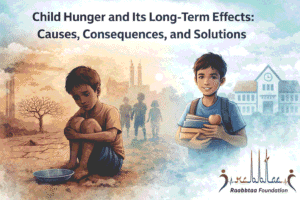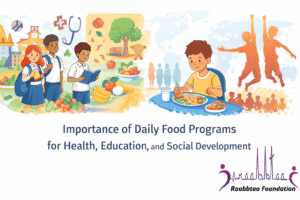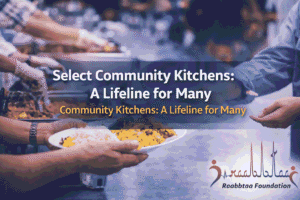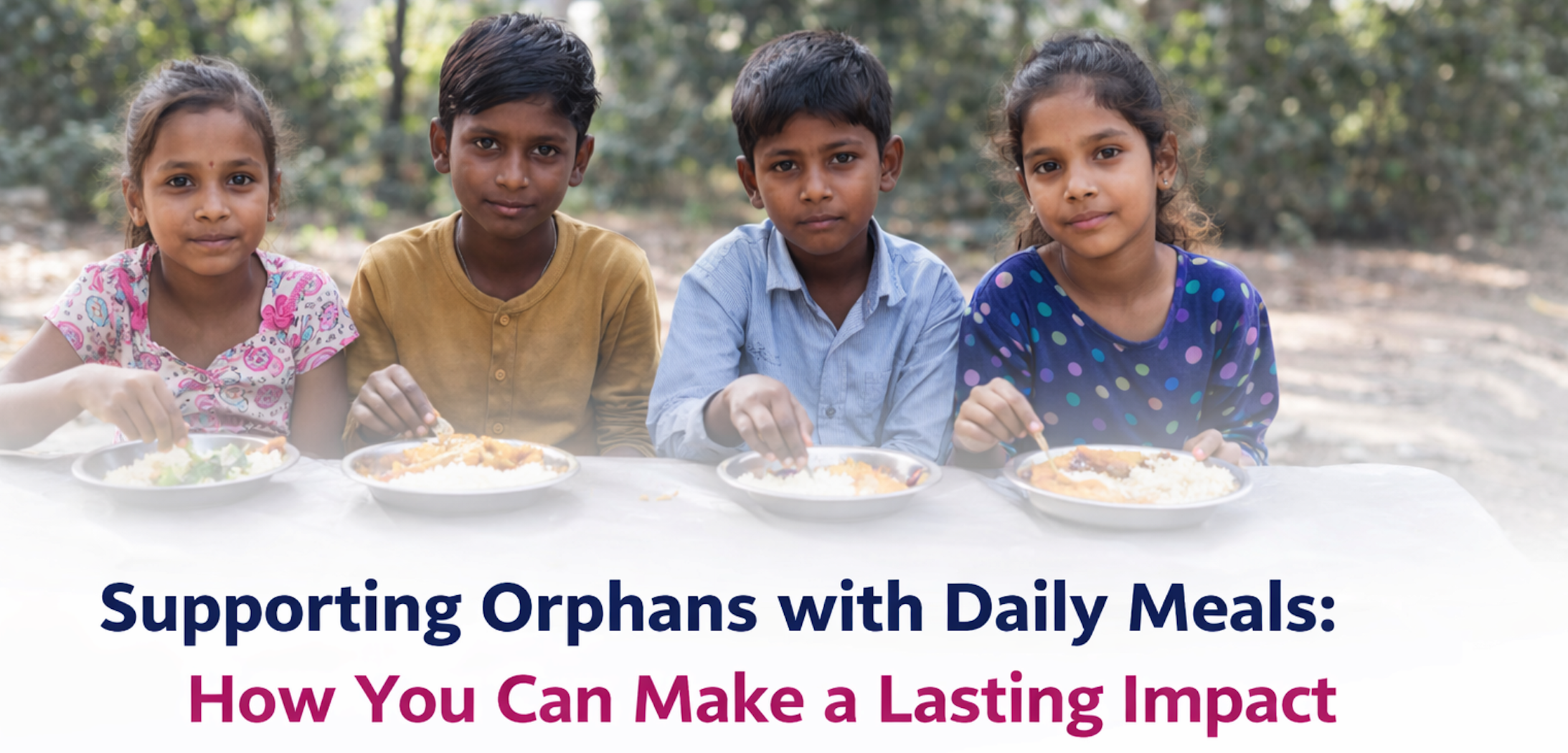
Supporting orphans with daily meals is one of the most powerful ways to improve children’s lives worldwide. Millions of orphaned and vulnerable children struggle daily with hunger, malnutrition, and food insecurity. Without consistent nutrition, they face serious health risks, limited educational opportunities, and emotional distress. However, when communities, donors, and organizations work together, they can ensure that every child receives the nourishment they need to grow, learn, and thrive.
In this comprehensive guide, you will learn why feeding orphaned children matters, how meal programs work, the long-term impact of proper nutrition, and practical ways you can contribute. By understanding the importance of supporting orphans with daily meals, you can become part of a solution that changes lives permanently.
Why Supporting Orphans with Daily Meals Matters
Children require balanced nutrition for physical growth, cognitive development, and emotional stability. Unfortunately, orphans often lack reliable access to food because they have no parents or guardians to provide for them. As a result, they are among the most vulnerable groups globally.
Daily meals do far more than satisfy hunger. They:
Strengthen immune systems
Improve concentration in school
Reduce risk of disease
Support healthy physical growth
Enhance emotional well-being
Therefore, providing daily meals is not just an act of kindness; it is a strategic investment in a child’s future. When children are well-fed, they are better equipped to succeed academically and socially.
The Global Challenge of Hunger Among Orphans
Across developing regions, orphaned children frequently live in shelters, temporary homes, or community care environments. Many of these facilities operate with limited funding. Consequently, meals may be inconsistent, nutritionally inadequate, or entirely unavailable on certain days.
Hunger affects orphans in several ways:
Physical health decline: Chronic hunger leads to stunting, weakness, and increased susceptibility to illness.
Delayed development: Malnutrition can slow brain development and impair learning ability.
Emotional stress: Food insecurity often causes anxiety, fear, and behavioral issues.
Because of these challenges, supporting orphans with daily meals is essential for breaking the cycle of poverty and neglect.
How Daily Meal Programs Transform Lives
Meal programs designed for orphaned children provide structured nutrition plans that ensure consistent access to healthy food. These initiatives typically involve partnerships between charities, donors, local farmers, and volunteers.
Structured Nutrition Planning
Most reputable programs collaborate with nutritionists to design balanced menus. These meals usually include:
Protein sources such as beans, eggs, or lentils
Whole grains for energy
Vegetables rich in vitamins
Fruits for natural sugars and fiber
Balanced diets help children maintain energy levels throughout the day, which improves both physical health and academic performance.
Consistency and Stability
Routine is crucial for children who have experienced loss or trauma. Regular mealtimes create a sense of stability and security. Knowing that food will be available each day reduces stress and allows children to focus on learning and play instead of survival.
Community Engagement
Many feeding initiatives involve local communities. Farmers may donate produce, volunteers may prepare meals, and teachers may supervise distribution. This collaborative approach strengthens community bonds while ensuring sustainability.
Nutritional Needs of Growing Children
To understand the importance of supporting orphans with daily meals, it is essential to recognize children’s nutritional requirements. Growing bodies need a precise balance of macronutrients and micronutrients.
Macronutrients
Macronutrients provide energy and support bodily functions:
Carbohydrates fuel daily activities and brain function.
Proteins build muscles and repair tissues.
Fats support brain development and hormone production.
Micronutrients
Micronutrients, though required in smaller amounts, are equally vital. Vitamins and minerals such as iron, calcium, and vitamin A support immune health, bone strength, and vision.
Without these nutrients, children risk developmental delays and long-term health complications. Thus, meal programs must focus on quality, not just quantity.
Educational Benefits of Feeding Programs
One overlooked advantage of daily meal support is its impact on education. Hunger directly interferes with learning. A child who has not eaten struggles to concentrate, remember information, or participate in classroom activities.
Schools and orphanages that provide meals often report:
Higher attendance rates
Improved academic performance
Better classroom behavior
Increased motivation to learn
These outcomes demonstrate that nutrition and education are deeply connected. Supporting orphans with daily meals therefore contributes not only to health but also to academic success.
Health Benefits of Consistent Nutrition
Regular meals significantly improve children’s overall health. When orphaned children receive proper nutrition, they experience:
Stronger immune systems
Faster recovery from illness
Reduced risk of chronic disease
Improved mental health
Additionally, adequate nutrition helps prevent conditions such as anemia, weakened bones, and developmental disorders. Over time, these health benefits reduce medical expenses for orphanages and communities.
Emotional and Psychological Impact
Food is more than fuel; it is also a source of comfort and emotional security. Children who know they will eat regularly feel safer and more stable. This sense of security supports emotional healing, especially for those who have experienced trauma or loss.
Sharing meals also fosters social connections. Sitting together to eat encourages communication, friendship, and a sense of belonging. These interactions are essential for healthy emotional development.
Ways Individuals Can Help Feed Orphans
Supporting orphans with daily meals does not require enormous resources. Even small contributions can make a meaningful difference when combined with others’ efforts.
1. Donate to Feeding Programs
Financial contributions allow organizations to purchase food in bulk, which reduces costs and increases efficiency. Monthly donations are particularly helpful because they provide predictable funding for ongoing meal programs.
2. Sponsor a Child’s Meals
Some charities offer sponsorship programs where donors cover the daily food expenses of a specific child. This approach creates a personal connection and ensures consistent support.
3. Volunteer Time
Volunteers play a crucial role in meal preparation, distribution, and fundraising. If you live near a children’s home or community program, volunteering can directly impact children’s lives.
4. Organize Fundraising Campaigns
Community events, charity drives, and online fundraisers can generate significant support. Even small local initiatives can provide hundreds of meals.
5. Spread Awareness
Sharing information about hunger among orphans encourages others to get involved. Awareness campaigns help attract donors, volunteers, and sponsors.
5. Spread Awareness
Sharing information about hunger among orphans encourages others to get involved. Awareness campaigns help attract donors, volunteers, and sponsors.
How Organizations Ensure Meal Quality and Safety
Professional feeding programs follow strict standards to maintain food safety and nutritional value. These standards typically include:
Proper food storage and handling
Clean cooking environments
Balanced meal planning
Regular health inspections
By following these practices, organizations protect children from foodborne illnesses while ensuring they receive safe, nutritious meals.
Long-Term Impact of Supporting Orphans with Daily Meals
The benefits of feeding programs extend far beyond childhood. When orphaned children receive proper nutrition, they gain advantages that last a lifetime.
Improved Career Opportunities
Healthy children perform better academically, which increases their chances of completing school and pursuing higher education. Education, in turn, opens doors to stable employment and financial independence.
Breaking the Cycle of Poverty
Hunger and poverty often reinforce each other. However, when children are nourished and educated, they are more likely to become self-sufficient adults who contribute positively to society.
Stronger Communities
Well-nourished children grow into healthier adults who can work, innovate, and support their families. This strengthens entire communities and promotes sustainable development.
Challenges Facing Feeding Programs
Despite their importance, meal programs for orphans face several obstacles. Understanding these challenges highlights why ongoing support is necessary.
Funding limitations: Many programs rely on donations, which can fluctuate.
Rising food costs: Inflation affects purchasing power and meal quality.
Logistical barriers: Remote areas may struggle with transportation and storage.
High demand: The number of vulnerable children often exceeds available resources.
Because of these difficulties, consistent donor support is essential for maintaining reliable meal services.
Sustainable Solutions for Feeding Orphans
To ensure long-term success, many organizations implement sustainable strategies rather than relying solely on donations.
Local Agriculture Projects
Some orphanages grow their own fruits and vegetables. This reduces costs, ensures fresh produce, and teaches children agricultural skills.
Community Partnerships
Collaborating with local businesses, farms, and markets can secure steady food supplies. Partnerships also strengthen community investment in children’s welfare.
Nutrition Education
Teaching children about healthy eating helps them make better choices as they grow older. Knowledge empowers them to maintain good nutrition independently.
Why Daily Meals Are Better Than Occasional Aid
While one-time food donations can help temporarily, consistent meal support is far more effective. Regular meals provide stability, predictability, and balanced nutrition. In contrast, irregular assistance may leave gaps that negatively affect health and development.
Daily programs also allow caregivers to monitor children’s growth, identify deficiencies early, and adjust diets accordingly. This proactive approach leads to better long-term outcomes.
How Technology Is Improving Meal Support Programs
Modern technology is making it easier than ever to support orphans with daily meals. Many organizations now use digital platforms to:
- Track donations in real time
- Monitor food inventory
Share progress reports with donors
Provide transparency about spending
These tools build trust and encourage continued support from contributors worldwide.
Choosing the Right Organization to Support
If you want to contribute, selecting a trustworthy organization is crucial. Look for groups that demonstrate:
- Financial transparency
- Clear mission statements
- Verified impact reports
- Positive donor reviews
- Sustainable feeding strategies
Researching before donating ensures your contribution directly benefits children in need.
The Moral Responsibility to Feed Vulnerable Children
Providing food to orphaned children is not only charitable but also ethical. Access to nutrition is a basic human right. When society ensures that vulnerable children receive daily meals, it affirms their dignity and worth.
Moreover, helping those who cannot provide for themselves reflects compassion and shared humanity. Supporting orphans with daily meals is a tangible way to practice these values.
How Small Actions Lead to Big Change
Many people assume they must make large donations to have an impact. In reality, small contributions can accumulate into significant results. For example:
A few dollars may provide several meals.
A shared social media post may attract new donors.
A single volunteer day may help prepare hundreds of meals.
Collective action demonstrates that everyone can play a role in fighting hunger.
Conclusion: Be Part of the Solution
Supporting orphans with daily meals is one of the most effective ways to improve children’s health, education, and emotional well-being. Proper nutrition empowers vulnerable children to grow into strong, capable adults who can build better futures for themselves and their communities.
Although the challenge of hunger among orphans is significant, it is not insurmountable. Through donations, volunteering, awareness, and community involvement, individuals can help ensure that no child goes to bed hungry.
Every meal provided is more than food—it is hope, stability, and opportunity. By taking action today, you can help transform lives and create lasting change for orphaned children around the world.