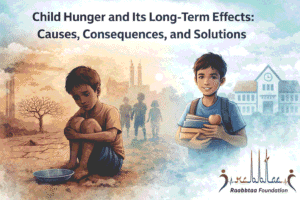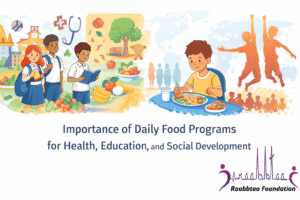
Food insecurity remains one of the most urgent global challenges. Reaching hungry families in remote areas is especially difficult due to distance, poor infrastructure, and limited resources. However, with proper planning, technology, and community involvement, organizations can deliver food assistance efficiently and sustainably.
This guide explains practical methods, real-world solutions, and actionable strategies to improve food distribution in isolated regions. Whether you are part of a nonprofit, government agency, or humanitarian initiative, these insights will help you reach vulnerable populations effectively.
Why Reaching Hungry Families in Remote Areas Is Challenging
Remote communities often face structural barriers that prevent consistent access to food. Understanding these obstacles is the first step toward solving them.
Geographic Isolation
Many rural villages are located far from main roads, markets, or supply hubs. In some regions, reaching a single settlement may require hours of travel by foot, boat, or off-road vehicle. This increases transportation costs and slows delivery.
Poor Infrastructure
Limited road networks, weak bridges, and seasonal weather conditions can make travel impossible. During rainy seasons, some areas become completely inaccessible.
Limited Communication
Remote areas frequently lack reliable internet or phone signals. Without communication channels, coordinating food delivery schedules becomes difficult.
Economic Barriers
Families in isolated regions often have lower incomes and limited job opportunities. Even when food is available nearby, they may not afford it.
The Importance of Reaching Hungry Families in Remote Areas
Ensuring food access is not only a humanitarian responsibility. It also supports long-term social and economic stability.
First, hunger affects health. Malnutrition weakens immune systems and increases the risk of disease. Second, it impacts education. Children who lack proper nutrition struggle to focus in school. Finally, food insecurity can increase migration, as families leave their homes searching for basic necessities.
Addressing hunger in remote locations strengthens communities and reduces inequality.
Effective Strategies for Reaching Hungry Families in Remote Areas
Organizations worldwide have developed innovative approaches to deliver food to hard-to-reach populations. The following strategies have proven successful.
Partner With Local Communities
Local leaders understand terrain, culture, and logistics better than outside groups. Working with them improves planning and builds trust. Community volunteers can also help distribute food and identify families most in need.
Use Mobile Distribution Units
Trucks, boats, motorcycles, and even bicycles can transport food to remote regions. Mobile units allow organizations to create flexible delivery routes instead of relying on fixed distribution centers.
Establish Regional Storage Hubs
Small storage facilities located closer to remote villages reduce travel time. These hubs can store dry goods, grains, and emergency supplies for faster distribution during crises.
Leverage Technology
Technology plays a growing role in reaching hungry families in remote areas. GPS mapping tools help teams plan efficient routes. Data tracking systems monitor inventory and delivery status. In some regions, drones are used to transport small food packages to isolated locations.
Coordinate With Governments
Government partnerships provide access to resources such as transportation networks, local data, and funding. Public-private collaborations often achieve greater scale than individual organizations working alone.
The Role of Nonprofits in Remote Food Distribution
Nonprofit organizations are often the primary providers of food aid in remote communities. Their flexibility allows them to adapt quickly to local needs.
Many nonprofits focus on targeted programs. For example, some deliver school meals to rural children, while others provide monthly food baskets to families. These specialized initiatives ensure assistance reaches the right groups.
Nonprofits also raise awareness about hunger. Through campaigns and donor outreach, they secure funding that supports long-term food distribution projects.
Sustainable Solutions for Long-Term Impact
While emergency food delivery is essential, sustainable strategies create lasting change. The goal is not only to provide food but also to help communities produce or obtain it independently.
Supporting Local Agriculture
Teaching modern farming techniques helps families grow their own food. Training programs may include soil management, irrigation methods, and crop rotation.
Providing Seeds and Tools
Supplying seeds, fertilizers, and farming tools empowers communities to increase yields. This reduces reliance on external aid.
Building Community Gardens
Shared gardens allow families to grow fresh vegetables collectively. These projects also strengthen social bonds and encourage knowledge sharing.
Nutrition Education
Educating families about balanced diets ensures they use available food effectively. Even simple guidance can improve health outcomes.
Logistics Planning for Reaching Hungry Families in Remote Areas
Strong logistics systems are essential for reliable food distribution. Without proper planning, supplies may arrive late or not at all.
Route Optimization: Mapping software identifies the fastest paths and avoids dangerous terrain.
Inventory Management: Tracking stock levels prevents shortages and waste.
Delivery Scheduling: Regular schedules help families know when to expect assistance.
Risk Assessment: Evaluating weather patterns and security risks ensures safer operations.
Organizations that invest in logistics infrastructure can serve more families with fewer resources.
Challenges Organizations Must Overcome
Even with careful planning, delivering food to remote communities presents ongoing challenges.
High Transportation Costs: Fuel, vehicle maintenance, and specialized equipment increase expenses.
Weather Disruptions: Floods, storms, and extreme heat can halt deliveries.
Security Concerns: Some remote areas experience conflict or theft risks.
Supply Chain Delays: Global shortages or shipping issues may affect food availability.
Addressing these challenges requires adaptability and contingency planning.
Innovative Technologies Improving Food Access
Advancements in technology continue to transform humanitarian logistics.
Drone Deliveries
Drones can transport small but vital food supplies across mountains or rivers. They are especially useful during emergencies when roads are blocked.
Satellite Mapping
Satellite imagery helps organizations locate isolated settlements and analyze terrain before planning routes.
Digital Payment Systems
In some programs, families receive digital vouchers instead of physical food packages. This allows them to buy groceries locally while supporting regional markets.
Technology does not replace traditional methods, but it enhances efficiency and reach.
Case-Based Approaches That Work
Successful initiatives often share common characteristics. They combine local knowledge, reliable funding, and adaptable logistics.
Programs that involve community members tend to perform better. Residents help identify those most in need and ensure fair distribution. Additionally, initiatives that collect real-time data can adjust quickly when conditions change.
Another key factor is consistency. Families benefit most when food assistance arrives regularly rather than sporadically.
How Volunteers Help Reach Hungry Families in Remote Areas
Another inspiring story comes from a mobile learning initiative. Educators traveled to remote areas with portable classrooms. Although infrastructure was lacking, learning continued.
Consequently, children who had never attended school gained access to education. Over time, literacy rates improved significantly.
Lessons Learned from Real-Life Field Experiences
Every story from the field carries important lessons. By reflecting on these experiences, organizations and individuals can grow.
Flexibility Is Essential
Plans rarely go exactly as expected. Therefore, flexibility becomes crucial. Field workers who adapt quickly are more likely to succeed.
Listening Builds Trust
Effective communication begins with listening. When professionals respect local voices, cooperation improves. As a result, projects become more sustainable.
Collaboration Creates Impact
No one works alone in the field. Partnerships with local leaders, volunteers, and organizations strengthen outcomes. Consequently, shared responsibility leads to lasting change.
Small Actions Matter
Sometimes, small efforts create big results. A single training session, conversation, or resource can change lives. Therefore, every action counts.
How Stories from the Field Drive Innovation
Field experiences often inspire new ideas and approaches. Because professionals witness real problems, they are motivated to find better solutions.
For instance, a technology team developed an offline learning app after observing connectivity issues in rural areas. As a result, students could study without internet access.
Similarly, water conservation projects were improved after engineers listened to community feedback. Consequently, designs became more practical and affordable.
Moreover, continuous learning from field stories encourages experimentation. Organizations that value feedback tend to innovate faster.
The Role of Storytelling in Organizational Growth
Storytelling is not only about sharing experiences. It also supports organizational development.
First, it strengthens internal communication. When teams share field stories, they understand each other’s challenges. Therefore, collaboration improves.
Second, it enhances transparency. Honest stories build credibility with stakeholders. As a result, trust increases.
Third, storytelling supports fundraising and advocacy. Real experiences resonate more than statistics. Consequently, supporters feel more connected to the cause.
Finally, stories preserve institutional memory. They document lessons and best practices for future generations.
Collecting and Sharing Field Stories Effectively
To maximize impact, organizations must collect and share stories thoughtfully.
Encouraging Open Communication
Field staff should feel safe sharing their experiences. Therefore, organizations must create supportive environments.
Using Multiple Platforms
Stories can be shared through blogs, videos, podcasts, and social media. By using different platforms, organizations reach wider audiences.
Maintaining Ethical Standards
Consent and privacy are essential. Before sharing any story, individuals must give permission. Moreover, sensitive information should be handled carefully.
Highlighting Both Success and Failure
Balanced storytelling builds credibility. While success stories inspire, challenges teach valuable lessons. Therefore, both should be shared.
Real Voices: Stories from the Field
To illustrate the power of storytelling, here are brief real-life examples.
A Volunteer’s Journey
A young volunteer joined a literacy program in a rural area. At first, communication was difficult. However, through patience and consistency, trust was built.
Eventually, students became confident readers. As a result, the volunteer realized the true impact of dedication.
A Community Leader’s Perspective
A local leader once shared how external support helped improve sanitation facilities. Although the process was slow, community involvement ensured success.
Today, the village enjoys better health and hygiene standards. Consequently, quality of life has improved.
A Healthcare Worker’s Experience
A nurse working in disaster zones described how teamwork saved lives. Despite exhaustion and limited supplies, collaboration made a difference.
Therefore, she continues her work with renewed motivation.
The Future of Field Storytelling
As technology evolves, storytelling methods will also change. Digital platforms, virtual reality, and interactive media will enhance engagement.
However, authenticity will remain essential. No matter how advanced tools become, genuine experiences will always matter most.
Moreover, future storytelling will focus more on inclusivity. Diverse voices will gain greater visibility. As a result, narratives will become richer and more representative.
Additionally, data and stories will work together. While data provides evidence, stories add meaning. Therefore, both will complement each other.
Why You Should Pay Attention to Stories from the Field
Stories from the field are more than narratives. They are windows into real lives, struggles, and achievements.
By listening to these stories, we become more empathetic. Furthermore, we gain practical insights that guide better decisions.
Whether you are a professional, student, donor, or community member, these stories can inspire action. They remind us that change begins with individuals who care.
Most importantly, they prove that every effort, no matter how small, can create meaningful impac
Conclusion: Turning Experiences into Lasting Impact
Stories from the field capture the essence of real-world work. They reflect courage, creativity, and commitment.
Through these stories, we learn how challenges are overcome and how communities grow. Moreover, we understand the importance of collaboration and compassion.
By valuing and sharing these experiences, we contribute to a culture of learning and innovation. As a result, organizations become stronger, and societies become more resilient.
Ultimately, stories from the field remind us that behind every project, policy, or program, there are people striving to make a difference. And their voices deserve to be heard.