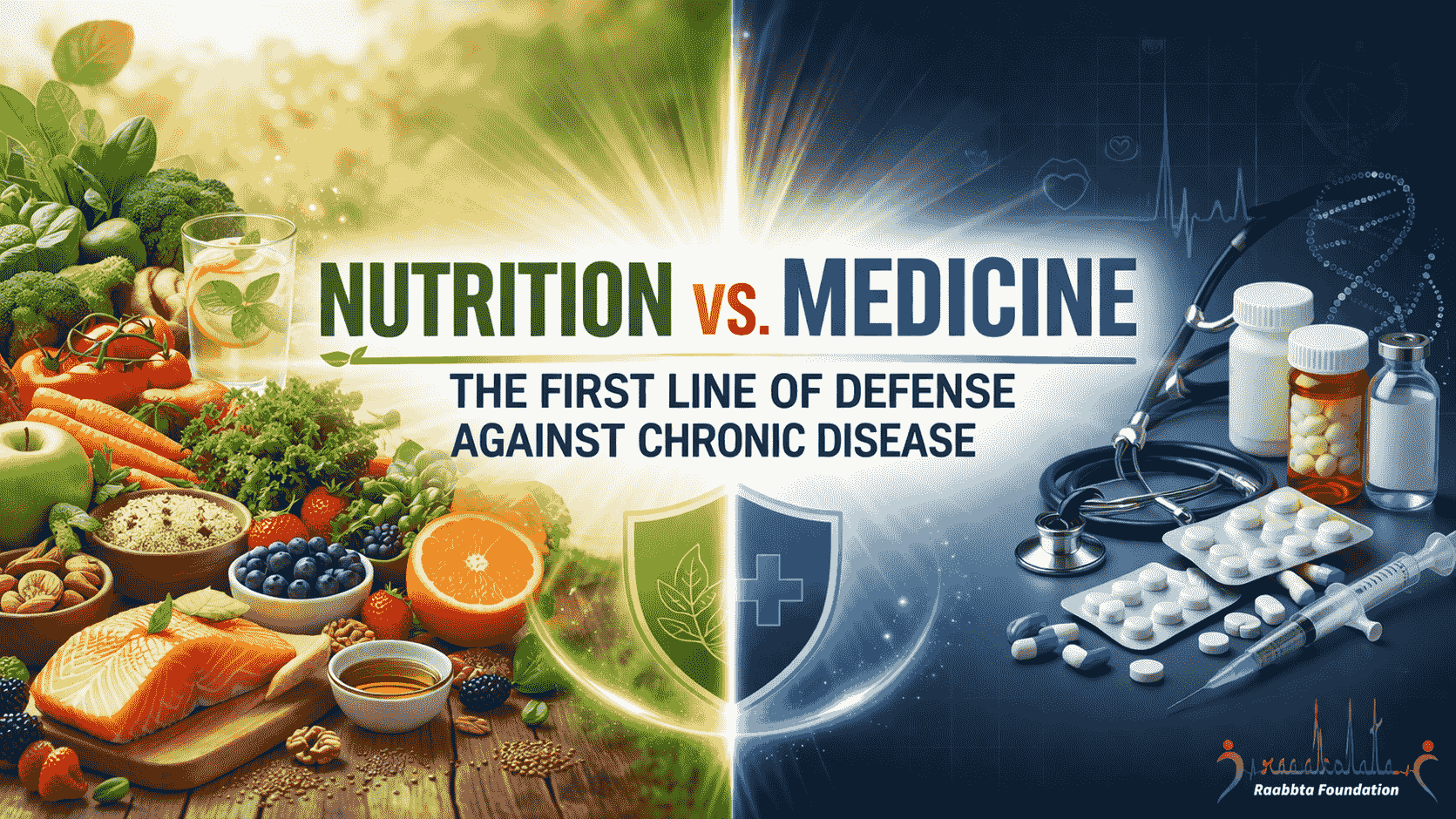
Chronic diseases are now the leading cause of death worldwide. However, the conversation around prevention is finally shifting. While medicine plays a vital role in treatment, nutrition is increasingly recognized as the first and most powerful line of defense. In fact, many chronic conditions begin years before symptoms appear. Therefore, what we eat daily matters more than what we take occasionally.
Moreover, nutrition works proactively rather than reactively. Medicine, although essential, often addresses problems after damage has already occurred. As a result, understanding the difference between nutrition and medicine is critical for long-term health.
Understanding Chronic Disease in the Modern World
Chronic diseases include conditions such as diabetes, heart disease, obesity, autoimmune disorders, and certain cancers. These illnesses develop slowly. Consequently, they are often influenced by lifestyle choices over time.
In today’s fast-paced world, highly processed foods dominate daily diets. At the same time, physical activity has declined significantly. Because of this, the body remains in a constant state of inflammation. Over time, this inflammation contributes directly to chronic illness.
Although genetics play a role, research consistently shows that diet and lifestyle are major contributors. Therefore, prevention must begin with everyday habits rather than emergency interventions.
The Role of Medicine in Chronic Disease Management
Medicine is undeniably powerful. It saves lives, manages symptoms, and improves quality of life. For example, insulin is essential for people with type 1 diabetes. Similarly, blood pressure medications reduce the risk of stroke.
However, medicine often focuses on symptom control rather than root causes. As a result, patients may rely on long-term prescriptions without addressing underlying nutritional deficiencies or dietary triggers.
Additionally, many medications come with side effects. Over time, this can lead to dependency or additional health concerns. Therefore, while medicine is necessary, it is rarely sufficient on its own.
Why Nutrition Is the First Line of Defense
Nutrition works at the cellular level. Every bite of food sends signals to the body. Either it promotes healing, or it fuels inflammation. Because of this, food can be considered information, not just energy.
Furthermore, proper nutrition supports the immune system. It stabilizes blood sugar levels, balances hormones, and reduces oxidative stress. Consequently, the body becomes more resilient against disease.
Unlike medicine, nutrition works preventively. When practiced consistently, it reduces the likelihood of disease developing in the first place. Therefore, nutrition should always come before medication whenever possible.
Food as Medicine: A Science-Backed Concept
The idea of food as medicine is not new. In fact, ancient healing systems recognized this principle thousands of years ago. Today, modern science supports it more than ever.
For instance, omega-3 fatty acids reduce inflammation. Similarly, fiber improves gut health and regulates blood sugar. Antioxidants found in fruits and vegetables protect cells from damage.
Moreover, whole foods contain synergistic compounds. These compounds work together in ways that isolated drugs cannot replicate. As a result, nutrition provides comprehensive support rather than targeted relief.
Nutrition vs. Medicine: A Preventive vs. Reactive Approach
The key difference between nutrition and medicine lies in timing. Nutrition is preventive. Medicine is reactive. Because chronic diseases develop gradually, early intervention through diet is far more effective.
For example, insulin resistance often precedes type 2 diabetes by years. During this stage, nutritional changes can reverse the condition. However, once diabetes is established, medication becomes necessary.
Therefore, relying solely on medicine ignores the window of prevention. Nutrition fills that gap and reduces long-term healthcare costs significantly.
Chronic Diseases Strongly Linked to Poor Nutrition
Several chronic conditions are directly influenced by diet. These include:
Heart disease
Type 2 diabetes
Obesity
Metabolic syndrome
Non-alcoholic fatty liver disease
In each case, poor dietary patterns contribute to disease progression. On the other hand, improved nutrition consistently shows positive outcomes. As a result, dietary intervention is often the most effective first step.
The Power of Anti-Inflammatory Nutrition
Inflammation is at the core of most chronic diseases. Therefore, reducing inflammation is essential for prevention and management.
Anti-inflammatory foods include leafy greens, berries, fatty fish, nuts, seeds, and olive oil. These foods help calm the immune system. At the same time, they protect tissues from damage.
In contrast, processed foods increase inflammatory markers. Consequently, reducing sugar and refined carbohydrates becomes a priority. Through these changes, the body regains balance naturally.
Gut Health: Where Nutrition Truly Outperforms Medicine
The gut microbiome influences immunity, metabolism, and mental health. Because of this, gut health is central to chronic disease prevention.
Fiber-rich foods feed beneficial bacteria. Fermented foods improve microbial diversity. Together, they strengthen the gut barrier and reduce systemic inflammation.
Although medicine can treat gut symptoms, it rarely restores microbial balance. Nutrition, however, rebuilds the ecosystem from the ground up. Therefore, diet remains the most effective tool for long-term gut health.
Can Nutrition Replace Medicine Completely?
Nutrition is powerful, but it is not a cure-all. In advanced disease states, medicine is often essential. However, nutrition can reduce medication dependence over time.
For example, many individuals with high blood pressure lower their medication dosage through dietary changes. Similarly, improved nutrition often leads to better blood sugar control.
Thus, nutrition and medicine should work together. Nevertheless, nutrition should always be the foundation upon which treatment is built.
Why Modern Healthcare Often Undervalues Nutrition
Despite overwhelming evidence, nutrition remains underemphasized in healthcare. Medical training focuses heavily on pharmacology. As a result, dietary counseling is often minimal.
Additionally, fast solutions are more appealing than long-term lifestyle changes. However, this approach overlooks the root cause of chronic illness.
Fortunately, awareness is growing. More healthcare providers now recognize the importance of nutrition in disease prevention and management.
Practical Steps to Use Nutrition as Your First Defense
Implementing nutritional changes does not require perfection. Instead, consistency matters most. Start with these steps:
Prioritize whole, unprocessed foods
Increase vegetable and fiber intake
Reduce added sugars and refined carbs
Choose healthy fats over trans fats
Stay hydrated consistently
Over time, these habits compound. Consequently, the risk of chronic disease decreases significantly.
The Future of Chronic Disease Prevention
The future of healthcare lies in prevention. Nutrition will play a central role in this transformation. Personalized nutrition, based on genetics and lifestyle, is already emerging.
Moreover, public health initiatives increasingly focus on food quality rather than calorie counting. This shift represents a more sustainable approach to wellness.
As awareness grows, individuals gain more control over their health outcomes. Therefore, nutrition becomes empowerment rather than restriction.
Final Thoughts: Nutrition First, Medicine When Needed
Nutrition vs. medicine is not a competition. Instead, it is a hierarchy of intervention. Nutrition should always come first. Medicine should support when necessary.
By choosing nutrient-dense foods consistently, the body gains the tools it needs to heal and protect itself. Consequently, chronic disease becomes less inevitable and more preventable.
Ultimately, food is not just fuel—it is the first line of defense.