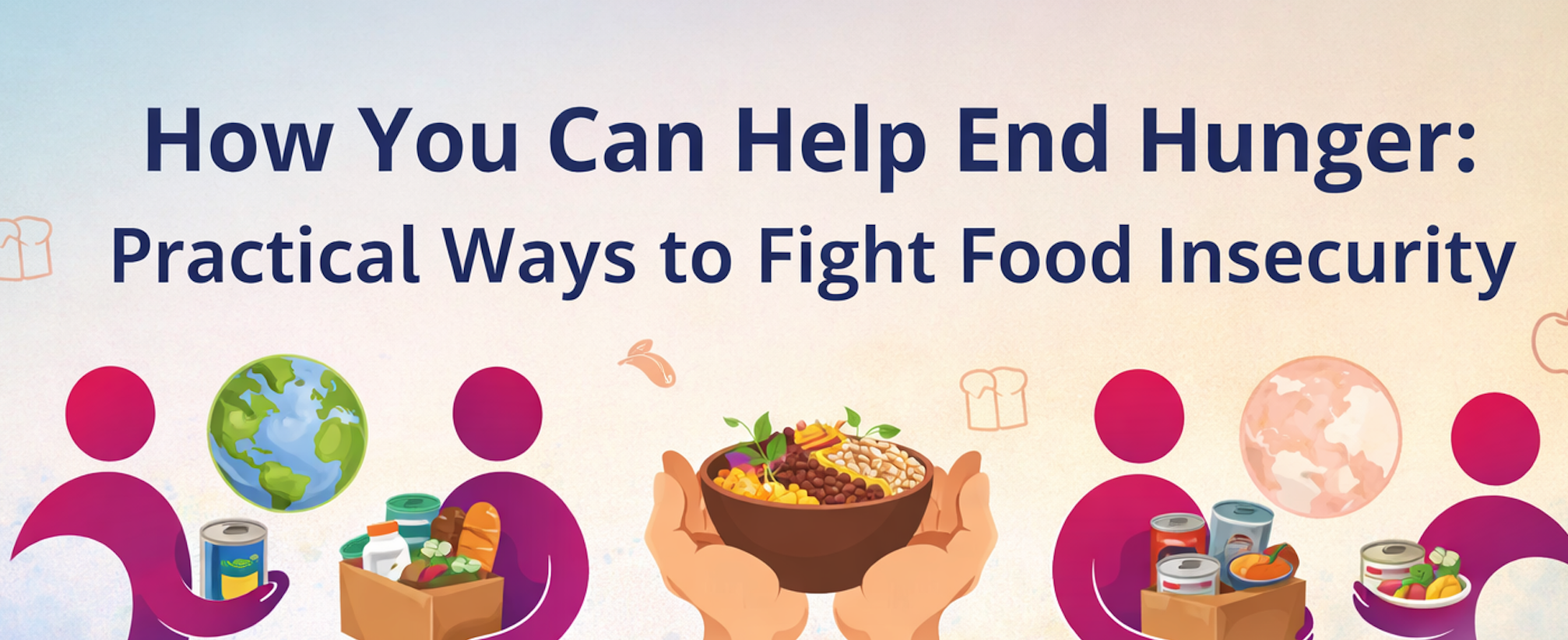
How You Can Help End Hunger
Hunger is one of the most serious global challenges today. Although food production is sufficient to feed everyone, millions of people still struggle to access nutritious meals. Therefore, understanding how you can help end hunger is more important than ever. By taking small but meaningful steps, you can contribute to building a world where no one goes to bed hungry.
Moreover, hunger does not only affect developing countries. In fact, food insecurity exists in both rural and urban communities worldwide. Consequently, every individual has a role to play. This guide will show you practical, realistic, and impactful ways to help fight hunger.
Understanding Hunger and Food Insecurity
Before learning how to help end hunger, it is essential to understand what hunger really means. Hunger refers to the physical discomfort caused by a lack of food. However, food insecurity is broader. It includes limited or uncertain access to adequate, safe, and nutritious food.
Furthermore, food insecurity often results from poverty, unemployment, climate change, and conflicts. As a result, vulnerable populations suffer the most. Children, elderly individuals, and low-income families are particularly affected. Therefore, addressing hunger requires both immediate support and long-term solutions.
In addition, hunger impacts health, education, and productivity. When people lack proper nutrition, they struggle to learn, work, and thrive. Consequently, ending hunger also supports economic growth and social stability.
Why Ending Hunger Matters
Ending hunger is not only a moral responsibility but also a social necessity. When people have access to food, they can focus on education, employment, and personal growth. Therefore, communities become stronger and more resilient.
Moreover, hunger weakens immune systems and increases the risk of diseases. As a result, healthcare costs rise, and productivity declines. By fighting hunger, societies can reduce long-term public expenses.
Additionally, food security promotes peace and stability. When basic needs are met, conflicts are less likely to arise. Consequently, hunger relief efforts contribute to global harmony.
Donate to Hunger Relief Organizations
One of the most effective ways to help end hunger is by donating to reputable organizations. These charities distribute food, support farmers, and create sustainable food systems.
For example, food banks, international aid groups, and local nonprofits rely heavily on donations. Therefore, your financial contribution can directly provide meals to those in need. Even small donations can make a significant difference.
Moreover, regular monthly donations ensure consistent support. As a result, organizations can plan long-term projects. In addition, many charities offer transparency reports, so you can track how your money is used.
Volunteer Your Time and Skills
If you cannot donate money, you can still make an impact by volunteering. Time and skills are equally valuable resources. Food banks, shelters, and community kitchens often need help.
For instance, you can assist with sorting food, preparing meals, or distributing supplies. Additionally, administrative and digital skills are also in demand. Therefore, everyone can contribute in their own way.
Furthermore, volunteering helps you understand hunger at a deeper level. As a result, you become more aware and empathetic. Consequently, you are more likely to support long-term solutions.
Reduce Food Waste at Home
Food waste is a major contributor to hunger worldwide. Surprisingly, nearly one-third of all food produced is wasted. Therefore, reducing waste is an important step in ending hunger.
You can start by planning meals carefully. As a result, you will buy only what you need. Moreover, storing food properly helps extend its shelf life. Consequently, fewer items end up in the trash.
Additionally, you can donate excess food to local shelters or food banks. Many organizations accept unopened and unexpired items. Therefore, your unused food can help someone in need.
H2: Support Local Farmers and Sustainable Agriculture
Supporting local farmers plays a crucial role in fighting hunger. When farmers earn fair incomes, they can produce more food sustainably. Therefore, communities become more food-secure.
You can buy produce from farmers’ markets or join community-supported agriculture programs. As a result, you encourage ethical farming practices. Moreover, locally grown food reduces transportation costs and