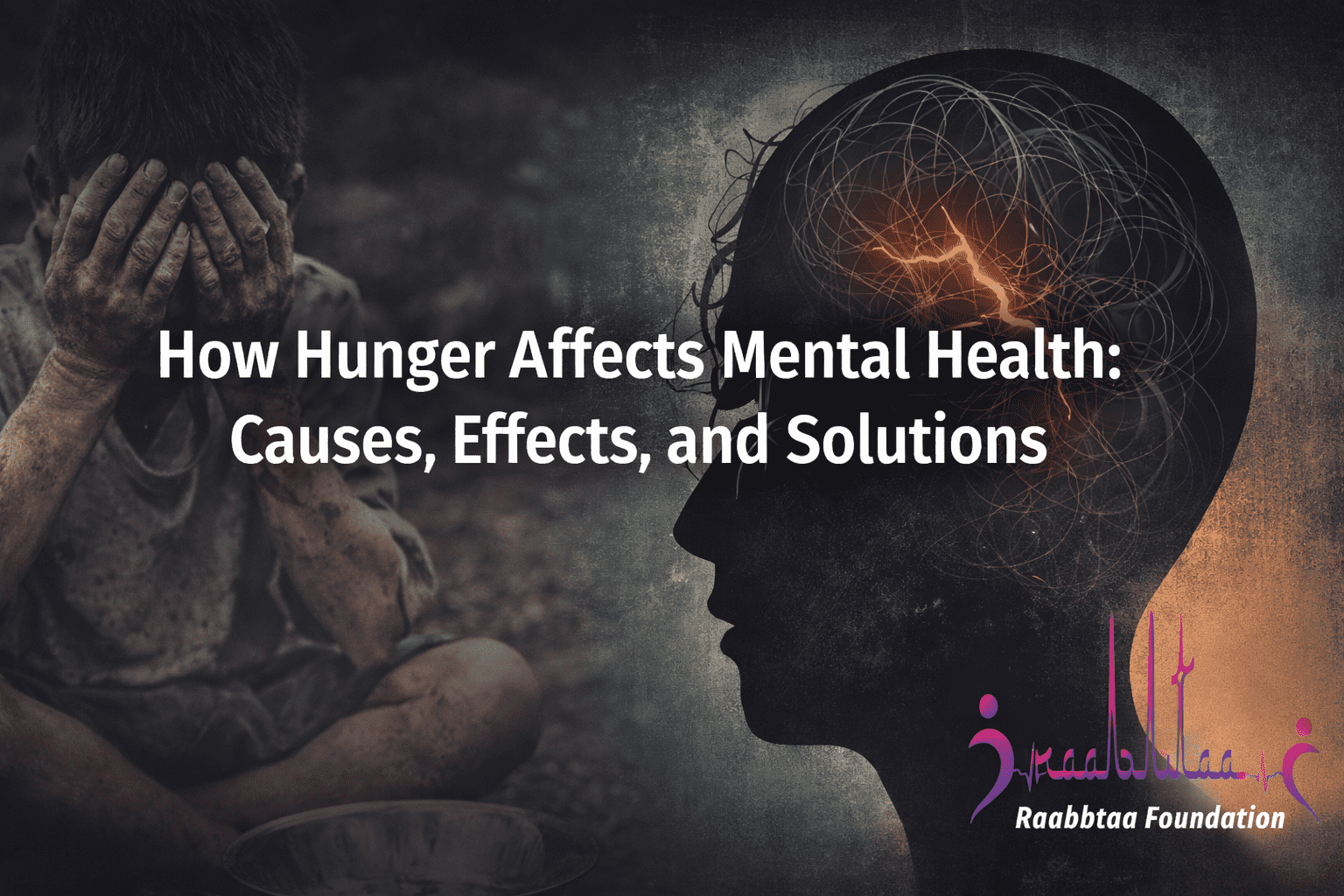
Hunger is often seen as a physical problem, but its impact goes far beyond an empty stomach. Lack of food affects the brain, emotions, and overall mental well-being. Millions of people around the world experience food insecurity, and many of them also struggle with anxiety, depression, and stress as a result.
Understanding how hunger affects mental health is essential for families, communities, and policymakers. When people are unable to meet their basic nutritional needs, their ability to think clearly, manage emotions, and cope with challenges becomes weaker.
This article explores the psychological effects of hunger, the science behind it, and practical ways to reduce its impact.
What Is Hunger and Food Insecurity?
Hunger refers to the physical discomfort or weakness caused by lack of food. Food insecurity is a broader term that describes limited or uncertain access to nutritious food.
People experiencing food insecurity may:
* Skip meals regularly
* Eat low-quality or insufficient food
* Worry constantly about the next meal
These conditions not only affect physical health but also lead to serious emotional and psychological consequences.
The Connection Between Hunger and Mental Health
The brain requires glucose, vitamins, minerals, and essential fatty acids to function properly. When the body does not receive enough nutrients, the brain struggles to regulate mood, memory, and focus.
Hunger triggers stress hormones like cortisol, which can increase irritability and anxiety. Over time, chronic hunger may contribute to depression, emotional instability, and poor decision-making.
In simple terms, hunger weakens both the body and the mind.
Psychological Effects of Hunger
Increased Stress and Anxiety
One of the most immediate effects of hunger is stress. When people do not know when they will eat next, their minds remain in a constant state of worry.
This uncertainty can lead to:
* Restlessness
* Fear about the future
* Difficulty sleeping
Children and teenagers are especially vulnerable because stress can interfere with emotional development and academic performance.
Depression and Feelings of Hopelessness
Long-term hunger can lead to depression. When individuals struggle daily to meet basic needs, they may feel helpless or hopeless.
Malnutrition also affects neurotransmitters like serotonin, which regulate mood. Low serotonin levels are closely linked to depression.
People facing hunger may experience:
* Loss of motivation
* Fatigue
* Withdrawal from social activities
Irritability and Mood Swings
Hunger affects blood sugar levels. When blood sugar drops, people may feel angry, impatient, or emotionally unstable.
This is why some people experience mood swings when they skip meals. Over time, these mood changes can affect relationships and daily functioning.
Difficulty Concentrating
The brain consumes about 20% of the body’s energy. Without enough fuel, concentration and memory decline.
Students who go to school hungry often struggle with:
* Paying attention
* Solving problems
* Retaining information
This directly impacts academic performance and confidence.
Reduced Cognitive Function
Chronic hunger can impair cognitive development, especially in children. Nutrient deficiencies can affect:
* Brain growth
* Learning ability
* Decision-making skills
Adults may also experience slower thinking and reduced productivity.
How Malnutrition Affects the Brain
Malnutrition occurs when the body does not receive essential nutrients such as:
* Iron
* Vitamin B12
* Omega-3 fatty acids
* Protein
These nutrients are critical for brain health.
For example:
* Iron deficiency can cause fatigue and poor concentration.
* Lack of omega-3 fatty acids may increase the risk of depression.
* Protein deficiency affects neurotransmitter production.
When the brain lacks these nutrients, mental health problems are more likely to occur.
Hunger and Mental Health in Children
Children are among the most affected by hunger. Proper nutrition is essential for brain development, emotional regulation, and learning.
Hungry children may experience:
* Behavioral problems
* Anxiety and low self-esteem
* Difficulty socializing
They may also feel embarrassed or isolated, which further impacts mental health.
Schools and community feeding programs play an important role in supporting children’s mental well-being.
Hunger and Mental Health in Adults
Adults facing hunger often experience chronic stress due to financial pressure and responsibility for family members.
Common mental health effects include:
* Anxiety about employment and finances
* Depression due to prolonged hardship
* Sleep disturbances
These issues can reduce work performance and create a cycle of poverty and poor health.
The Link Between Poverty, Hunger, and Mental Health
Hunger is often closely linked with poverty. People with limited income may prioritize rent, medicine, or education over food.
This creates a cycle:
Poverty → Hunger → Stress and Mental Health Problems → Reduced Productivity → Continued Poverty
Breaking this cycle requires community support, education, and social programs.
Warning Signs of Hunger-Related Mental Health Problems
Recognizing early symptoms can help prevent long-term damage.
Signs to watch for:
* Constant fatigue
* Irritability or anger
* Difficulty concentrating
* Anxiety or sadness
* Lack of interest in activities
If these signs appear along with irregular meals or poor nutrition, hunger may be a contributing factor.
Role of Governments and Communities
Governments and organizations play a crucial role in addressing hunger and mental health.
Important initiatives include:
* Food subsidy programs
* Free school meals
* Nutrition awareness campaigns
* Employment and income support programs
Community participation is equally important in identifying families in need and providing support.
Long-Term Solutions to Hunger and Mental Health Issues
Sustainable solutions focus on both nutrition and psychological well-being.
Key strategies include:
* Strengthening agriculture and local food production
* Creating job opportunities
* Providing nutrition education
* Expanding mental health services
These measures improve quality of life and reduce the long-term effects of hunger.
Practical Tips to Maintain Mental Health During Food Shortages
If someone is facing temporary food shortages, these steps may help:
* Eat small, frequent meals when possible
* Drink enough water to prevent fatigue
* Focus on affordable high-energy foods like peanuts and bananas
* Stay connected with friends or family for emotional support
* Seek help from local food assistance programs
Small steps can make a significant difference in maintaining mental stability.
Why Addressing Hunger Is Essential for Mental Well-Being
Mental health cannot be separated from physical health. Proper nutrition supports:
* Emotional balance
* Clear thinking
* Better sleep
* Increased productivity
When hunger is reduced, communities become healthier, safer, and more productive.
Conclusion:
Hunger affects far more than the body—it deeply impacts mental health. Stress, anxiety, depression, and cognitive difficulties are common among individuals experiencing food insecurity.
Addressing hunger is not only a matter of nutrition but also a matter of mental well-being and social stability. Through community support, awareness, and effective policies, the negative effects of hunger can be reduced.
Ensuring that everyone has access to nutritious food is one of the most powerful ways to improve mental health and build stronger societies.
Stories from the field capture the essence of real-world work. They reflect courage, creativity, and commitment.
Through these stories, we learn how challenges are overcome and how communities grow. Moreover, we understand the importance of collaboration and compassion.
By valuing and sharing these experiences, we contribute to a culture of learning and innovation. As a result, organizations become stronger, and societies become more resilient.
Ultimately, stories from the field remind us that behind every project, policy, or program, there are people striving to make a difference. And their voices deserve to be heard.