Food drives are one of the most effective community initiatives for fighting hunger and food insecurity. Every year, millions of people around the world struggle to access nutritious meals. While governments and nonprofit organizations work hard to reduce hunger, local food drives remain a powerful grassroots solution.
Understanding how food drives save lives is essential for individuals, organizations, and communities that want to make a meaningful difference. These initiatives do more than collect canned goods. They nourish families, strengthen communities, and create a culture of compassion.
What Is a Food Drive?
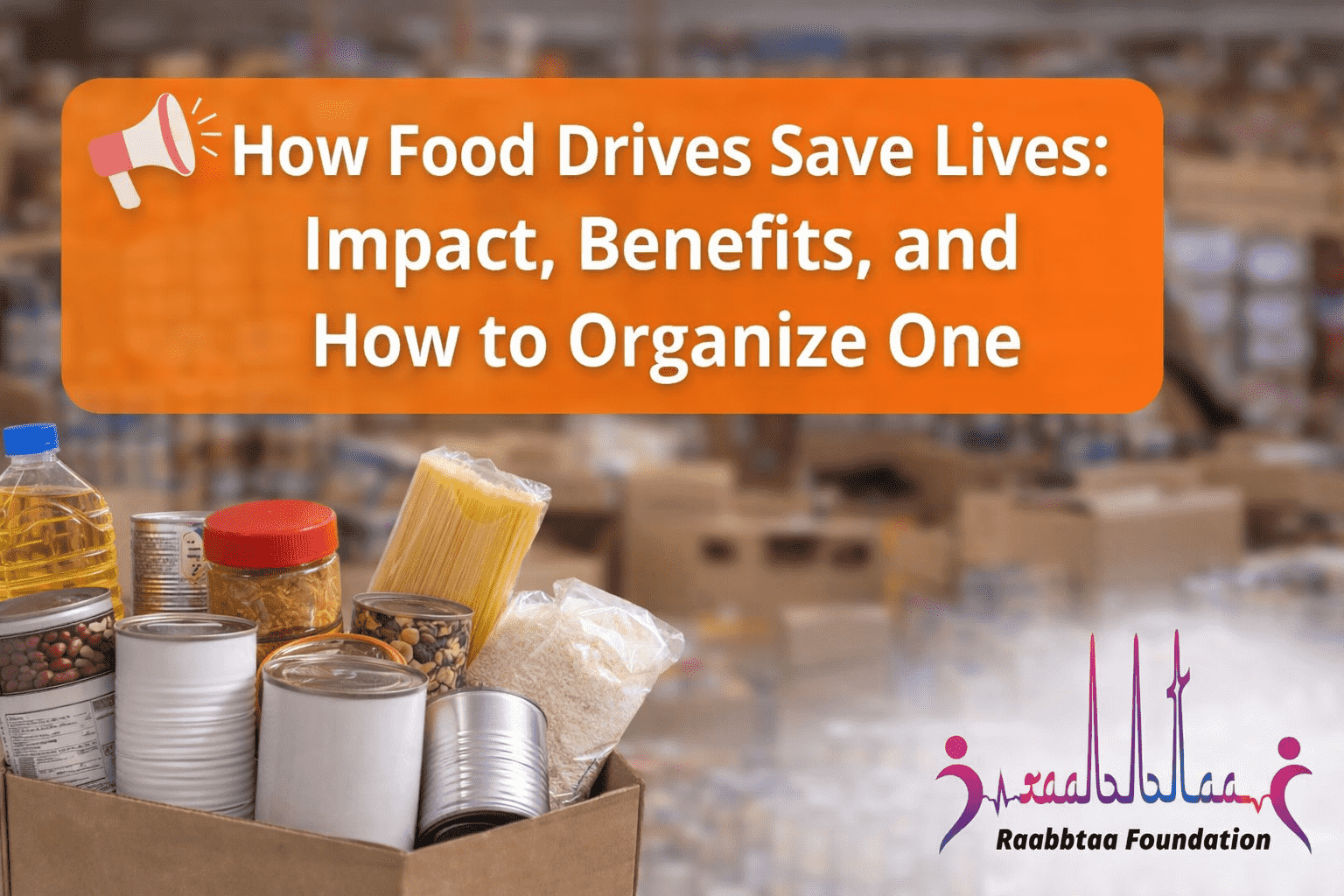
A food drive is a coordinated effort to collect non-perishable food items and distribute them to people in need. Schools, workplaces, churches, nonprofits, and neighborhood groups commonly organize them.
Typically, volunteers gather donations such as:
Canned vegetables and fruits
Rice, pasta, and grains
Shelf-stable milk
Beans and lentils
Peanut butter and protein foods
After collection, organizers deliver the food to food banks, shelters, or directly to families. Because of their simplicity, food drives are accessible to anyone willing to help.
Why Food Drives Matter More Than Ever
Food insecurity remains a global challenge. Rising living costs, job loss, natural disasters, and economic instability all increase the demand for emergency food assistance.
Food drives play a crucial role because they:
Provide immediate relief
Supplement food bank supplies
Raise awareness about hunger
Encourage community involvement
Without these initiatives, many charitable food programs would struggle to meet demand. Therefore, understanding the importance of food drives helps motivate more people to participate.
How Food Drives Save Lives Directly
Food drives literally save lives by ensuring people have access to basic nutrition. When individuals lack food, their health declines quickly. Children, seniors, and people with medical conditions are especially vulnerable.
Preventing Malnutrition
Malnutrition weakens the immune system, increases disease risk, and slows development in children. Donated food provides essential nutrients that prevent these outcomes. Even simple items like canned vegetables or protein sources can restore dietary balance.
Supporting Medical Recovery
Patients recovering from illness or surgery need proper nutrition. Families struggling financially often cannot afford balanced meals. Food donations allow them to focus on healing instead of worrying about their next meal.
Protecting Mental Health
Hunger causes stress, anxiety, and depression. When people know they have food available, their mental well-being improves. Food drives therefore support both physical and emotional health.
The Community Impact of Food Drives
Beyond individual benefits, food drives strengthen entire communities. They encourage cooperation, empathy, and shared responsibility.
Building Stronger Neighborhoods
When residents work together for a common cause, trust grows. Volunteers meet neighbors, local organizations collaborate, and social bonds deepen. This unity helps communities respond better to future challenges.
Teaching Compassion to Younger Generations
Children who participate in food donation campaigns learn the value of generosity early. They see firsthand how their actions help others. These lessons often shape lifelong habits of giving and volunteering.
Reducing Food Waste
Many households and businesses have surplus food that would otherwise go unused. Food drives redirect these resources to people who need them. This reduces waste while solving hunger at the same time.
Sustainable Solutions for Long-Term Impact
The Role of Food Banks and Charities
Food drives rarely operate alone. Instead, they partner with established organizations that specialize in distribution. Food banks store, sort, and deliver donations efficiently.
These organizations:
Inspect food for safety
Organize inventory
Distribute items equitably
Reach underserved populations
Because of this infrastructure, donated food reaches those who need it most. Without food banks, many donations would never reach their intended recipients.
Types of Food Drives
Not all food drives are the same. Different formats help reach diverse donors and communities.
Traditional Collection Drives
These are the most common. Volunteers set up collection boxes in schools, offices, or public spaces. Participants drop off food items over a specific period.
Virtual Food Drives
Online campaigns allow donors to contribute money instead of physical items. Organizations then purchase food in bulk, often at discounted rates. This approach is efficient and allows participation from anywhere.
Emergency Food Drives
After disasters or crises, emergency drives mobilize quickly. They focus on rapid collection and distribution of essential supplies.
Challenges Organizations Must Overcome
Key Benefits of Participating in Food Drives
Participating in a food drive benefits both recipients and donors. While the immediate advantage is hunger relief, the long-term benefits are equally significant.
For recipients:
Reliable access to meals
Improved health outcomes
Reduced financial stress
For donors and volunteers:
Sense of purpose
Stronger community connection
Increased awareness of social issues
Because of these mutual benefits, food drives create a positive cycle of giving and gratitude.
Statistics That Show the Power of Food Drives
Data demonstrates the real impact of food donation programs. Across many countries, food banks distribute millions of meals each year. A large percentage of their inventory comes directly from community drives.
Research consistently shows that:
Community food drives supply a significant share of charitable food distribution.
Local campaigns often increase donations during high-demand seasons.
Areas with active volunteer programs experience lower hunger rates.
These numbers confirm that food drives are not symbolic gestures. They are practical, measurable solutions.
How to Organize a Successful Food Drive
If you want to contribute, organizing a food drive is easier than most people think. With planning and teamwork, even small groups can achieve impressive results.
Step 1 – Set Clear Goals
Define how much food you want to collect and who will receive it. Specific goals motivate participants and help measure success.
Step 2 – Partner With a Local Organization
Collaborate with a food bank or charity. They provide guidance on needed items, safety regulations, and distribution logistics.
Step 3 – Promote the Drive
Use social media, posters, emails, and word of mouth. Clear communication ensures people know what to donate and where to drop it off.
Step 4 – Provide Donation Guidelines
List recommended items and expiration rules. This prevents unusable donations and simplifies sorting.
Step 5 – Sort and Deliver
After collection, organize donations by category. Then transport them to your partner organization promptly.
Best Foods to Donate
Choosing the right items maximizes the effectiveness of a food drive. Nutrient-dense, shelf-stable foods are ideal.
Recommended donations include:
Whole grain products
Low-sodium canned goods
High-protein foods
Healthy snacks
Baby food and formula
Avoid donating expired products, glass containers (if prohibited), or perishable items unless requested.
The Long-Term Impact of Food Drives
Food drives do more than address immediate hunger. They contribute to long-term social improvement.
Strengthening Support Systems
Communities that regularly host food drives build reliable safety nets. Families know help is available during difficult times.
Encouraging Civic Engagement
Volunteers often become involved in other charitable activities. One event can inspire ongoing service.
Influencing Policy Awareness
As awareness grows, communities become more informed about hunger issues. This can lead to advocacy and policy changes that address root causes.
How Businesses Benefit From Hosting Food Drives
How Businesses Benefit From Hosting Food Drives
Companies that organize food drives also gain advantages. Corporate social responsibility initiatives improve brand reputation and employee morale.
Benefits for businesses include:
Positive public image
Stronger customer trust
Team-building opportunities
Community partnerships
When businesses participate, they amplify the reach and effectiveness of hunger relief efforts.
Food Drives vs. Monetary Donations
Both food and monetary donations are valuable. Each serves a different purpose.
Food donations:
Provide tangible resources
Encourage community involvement
Raise awareness visually
Financial donations:
Allow bulk purchasing
Reduce storage needs
Support operational costs
The most effective hunger relief strategies often combine both methods.
Seasonal Importance of Food Drives
Certain times of year increase demand for food assistance. Holidays, summer breaks, and economic downturns can strain families’ budgets.
Seasonal drives help by:
Supporting families when school meals are unavailable
Providing holiday meals
Addressing winter heating-cost pressures
Planning drives around these periods ensures help arrives when it is needed most.
How Individuals Can Support Food Drives
Even if you cannot organize a full campaign, you can still contribute.
Simple ways to help include:
Donating a few items during grocery trips
Volunteering to sort donations
Sharing campaigns online
Encouraging workplaces to participate
Small actions add up quickly. When many individuals contribute, the collective impact is enormous.
Why Awareness Is Just as Important as Donations
Raising awareness is a critical part of how food drives save lives. When people understand the reality of hunger, they are more likely to help.
Awareness campaigns:
Educate communities about food insecurity
Reduce stigma around receiving assistance
Inspire long-term solutions
As knowledge spreads, participation increases, and hunger relief efforts grow stronger.
The Future of Food Drives
Technology and innovation are transforming food donation programs. Digital platforms now allow organizers to track contributions, coordinate volunteers, and promote campaigns efficiently.
Future trends may include:
Mobile apps for donation tracking
Data-driven distribution systems
Partnerships with grocery delivery services
These advancements will make food drives more efficient and accessible, allowing them to reach even more people in need.
Conclusion: Every Donation Makes a Difference
Understanding how food drives save lives reveals the true power of collective action. These initiatives provide essential nutrition, improve health, strengthen communities, and inspire compassion.
Whether you donate one item or organize an entire campaign, your contribution matters. Food drives prove that simple acts of generosity can create life-changing results. When communities come together to fight hunger, they do more than share food—they share hope.