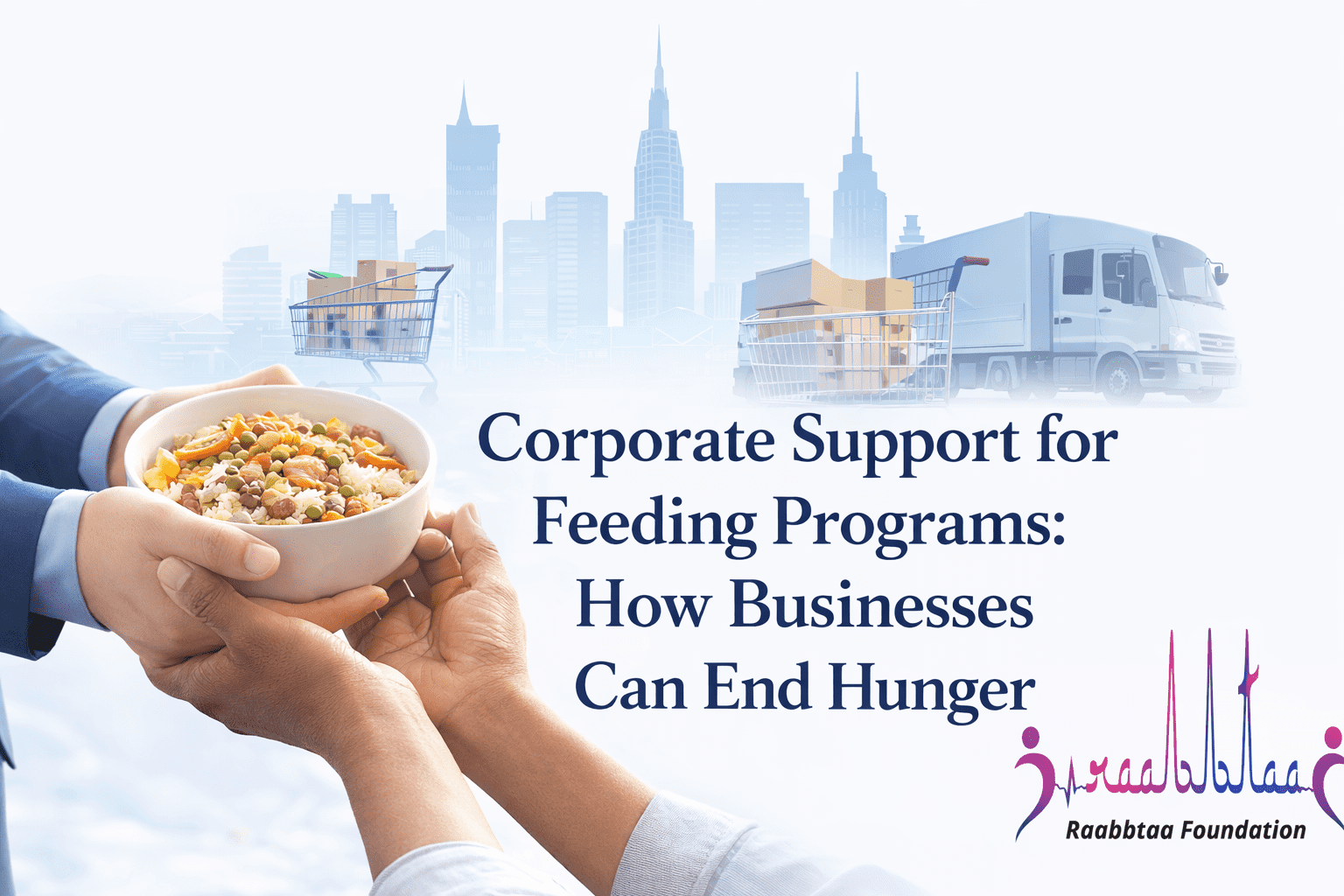
Hunger is a pressing global challenge. Millions of people around the world face food insecurity daily, and feeding programs play a vital role in alleviating this issue. While governments and non-profits have been at the forefront of these initiatives, corporate support for feeding programs is emerging as a game-changer. Businesses can leverage their resources, networks, and influence to make a measurable difference in the fight against hunger.
Corporate support for feeding programs refers to businesses contributing resources—financial, in-kind, or volunteer efforts—to initiatives aimed at providing food to those in need. This support goes beyond mere philanthropy; it reflects a company’s commitment to corporate social responsibility (CSR) and community welfare.
Why Corporations Should Support Feeding Programs
There are several compelling reasons why businesses should engage in feeding programs:
1. Social Responsibility and Brand Reputation
Supporting feeding programs demonstrates that a company values its community. This positive image boosts brand reputation and builds trust among consumers who increasingly prefer socially conscious businesses.
2. Employee Engagement and Morale
When employees participate in volunteering for feeding programs, it fosters a sense of pride and teamwork. Companies that support community initiatives often report higher employee satisfaction and retention rates.
3. Long-Term Community Impact
Feeding programs supported by corporations can create sustainable change, reducing hunger and improving health outcomes. A well-nourished community contributes to a stable economy and a stronger workforce.
Types of Corporate Support for Feeding Programs
Corporations can contribute in multiple ways, depending on their resources and capabilities.
1. Financial Contributions
Direct donations to feeding programs are the most straightforward form of support. Companies can fund meal distribution, purchase equipment for kitchens, or sponsor food drives.
2. In-Kind Donations
Many corporations contribute food, packaging, or other resources. For instance, grocery chains may donate surplus food, and logistics companies can provide transportation for deliveries.
3. Employee Volunteering
Businesses can organize volunteer days where employees help prepare meals, pack food boxes, or distribute meals to those in need. This not only supports the program but also strengthens team dynamics.
4. Strategic Partnerships
Collaborating with NGOs, government agencies, or local charities enables corporations to maximize their impact. Partnerships ensure resources are used efficiently and reach those who need them most.
Benefits of Corporate Support for Feeding Programs
Corporate involvement in feeding programs benefits not only the community but also the company itself.
1. Enhanced Corporate Reputation
Consumers today are more socially conscious than ever. Companies actively supporting feeding programs gain recognition and trust, which can translate into increased loyalty and sales.
2. Tax Incentives
Many countries offer tax deductions for corporate donations to charitable causes, including feeding programs. This provides a financial incentive while supporting a critical social cause.
3. Networking Opportunities
Businesses that collaborate on feeding programs often develop connections with other socially responsible organizations, NGOs, and government agencies, opening doors for future collaborations.
4. Improved Employee Engagement
Participation in feeding programs enhances employee satisfaction and morale. Volunteers often report a sense of fulfillment, which improves productivity and retention.
Examples of Corporate Support for Feeding Programs
Several corporations have successfully integrated feeding programs into their CSR strategies.
1. Walmart’s Fight Against Hunger
Walmart has partnered with Feeding America to provide millions of meals annually. The company donates food, funds, and employee volunteer hours, demonstrating a commitment to community nutrition.
2. Coca-Cola Foundation Initiatives
The Coca-Cola Foundation supports various feeding programs globally, providing funding, logistics, and resources to combat hunger and promote food security.
3. Nestlé’s Community Programs
Nestlé supports local feeding initiatives, nutrition education, and sustainable agriculture programs. Their efforts aim to reduce hunger and improve overall health in the communities they serve.
Emergency Food Relief for Families
Families with children are among the most vulnerable to food insecurity. Fortunately, many emergency food relief programs specifically support households with dependents.
Family-focused programs often provide:
Child-friendly food options
Baby formula and diapers
School meal replacements
Larger grocery packages
These targeted services ensure children receive adequate nutrition even during financial crises. Proper nutrition supports growth, academic performance, and emotional health.
How Businesses Can Start Supporting Feeding Programs
For corporations interested in making an impact, here is a step-by-step approach:
1. Assess Community Needs
Understanding local hunger issues is essential. Conduct surveys or collaborate with NGOs to identify areas that require the most support.
2. Set Clear Objectives
Define what your company hopes to achieve—whether it’s the number of meals provided, volunteer hours contributed, or funds donated. Clear objectives ensure measurable results.
3. Choose the Right Partner
Partner with reputable NGOs, food banks, or government programs. Collaboration ensures your resources are used effectively and reach the people who need them most.
4. Encourage Employee Participation
Promote volunteering opportunities within your workforce. This can include meal preparation, food packing events, or community outreach programs.
5. Monitor and Report Impact
Track your contributions and measure the outcomes. Sharing success stories publicly reinforces your corporate image and inspires further engagement.
Overcoming Challenges in Corporate Feeding Program Support
While supporting feeding programs is rewarding, it comes with challenges. Understanding these can help corporations create sustainable initiatives.
1. Logistical Challenges
Coordinating donations, deliveries, and volunteer efforts can be complex. Partnering with experienced NGOs or using professional logistics services can mitigate these issues.
2. Ensuring Transparency
Donors want to ensure their contributions make an impact. Companies should maintain transparency in reporting, showing where funds and resources are allocated.
3. Measuring Impact
Evaluating the effectiveness of feeding programs requires clear metrics. Companies should track meals served, communities reached, and long-term outcomes to assess success.
4. Aligning with Corporate Goals
Feeding programs should align with a company’s broader CSR strategy. This ensures resources are used strategically and employees are fully engaged.
The Future of Corporate Support in Feeding Programs
The role of corporations in addressing hunger is expected to grow in the coming years. With increased awareness of social responsibility, businesses are likely to take on more active roles, including:
Innovative Food Solutions: Supporting sustainable agriculture, vertical farming, and food tech startups to reduce food scarcity.
Digital Engagement: Leveraging technology for food donation platforms, tracking distribution, and connecting donors to beneficiaries.
Global Collaboration: Forming international coalitions to tackle hunger, especially in crisis regions.
Corporate support for feeding programs is not just about charity—it’s a strategic approach that benefits society, enhances brand reputation, and creates long-term economic stability.
Conclusion: Why Corporate Support Matters
Corporate support for feeding programs is essential for creating a world without hunger. Businesses have the power to leverage resources, networks, and expertise to ensure that nutritious food reaches those who need it most. By engaging in feeding programs, corporations demonstrate social responsibility, enhance employee engagement, and contribute to sustainable community development.
Supporting feeding programs is a win-win: it benefits communities, employees, and companies alike. Every corporate contribution—whether financial, in-kind, or through volunteering—brings us closer to a hunger-free world.