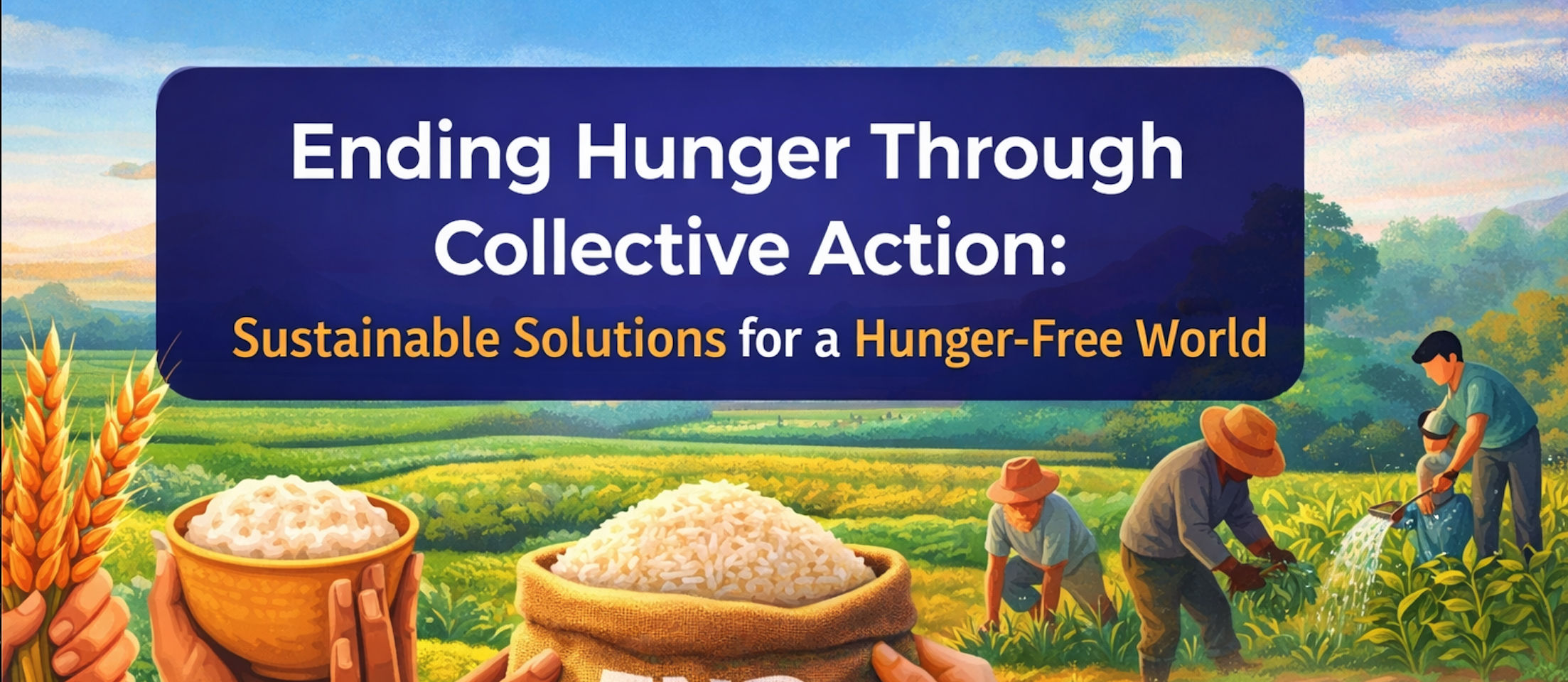
Ending hunger through collective action is not just an idealistic vision — it is an achievable goal when communities, governments, organizations, and individuals work together. Hunger remains one of the most urgent global challenges, affecting millions of people across the world. Despite advancements in agriculture, technology, and economic development, food insecurity continues to threaten lives and livelihoods.
However, collective action against hunger has proven to be one of the most powerful tools in reducing food insecurity. When societies unite with shared responsibility, sustainable solutions emerge that can transform communities and create long-term food stability.
In this article, we will explore how ending hunger through collective action can build a sustainable, hunger-free future.
Understanding Global Hunger and Food Insecurity
Before discussing solutions, it is important to understand the root causes of hunger.
What Is Hunger?
Hunger refers to the distress caused by a lack of sufficient food. It can lead to malnutrition, stunted growth in children, weakened immunity, and even death in severe cases.
What Is Food Insecurity?
Food insecurity prevention is a critical part of ending hunger through collective action. Food insecurity occurs when people lack consistent access to enough nutritious food for an active and healthy life.
Main Causes of Hunger
Several factors contribute to hunger worldwide:
* Poverty and unemployment
* Climate change and natural disasters
* Conflict and political instability
* Food waste and poor distribution systems
* Lack of sustainable food systems
Understanding these causes helps communities design effective global hunger solutions.
Why Collective Action Is Essential to End Hunger
Ending hunger through collective action requires collaboration across multiple sectors. No single organization or government can solve hunger alone.
Shared Responsibility
Governments create policies, NGOs implement programs, businesses provide resources, and communities participate in grassroots initiatives. When all stakeholders collaborate, the impact multiplies.
Resource Pooling
Collective action against hunger allows pooling of financial, technical, and human resources. This improves efficiency and reduces duplication of efforts.
Long-Term Sustainability
Sustainable food systems depend on cooperation between farmers, suppliers, policymakers, and consumers. Without collective effort, hunger solutions remain temporary.
Feeding Elderly People During Emergencies
Older adults may have:
* Difficulty chewing
* Chronic illnesses
* Reduced appetite
Provide:
* Soft foods
* Warm meals
* Easy-to-digest options
Monitor hydration closely, as elderly individuals are at higher risk of dehydration.
Importance of Hydration During Natural Disasters
Dehydration is a major risk during disasters, especially in hot climates.
Signs of dehydration include:
* Dry mouth
* Fatigue
* Dizziness
* Reduced urination
To prevent dehydration:
* Drink small amounts frequently
* Use ORS if needed
* Avoid sugary or caffeinated drinks
Ready-to-Eat Foods for Disaster Situations
Ready-to-eat foods are essential when cooking is not possible.
Good options include:
* Roasted chana
* Peanut butter
* Energy bars
* Dry fruits
* Packaged snacks
These foods provide energy and require minimal preparation.
Community Feeding During Natural Disasters
Community kitchens and relief camps play a vital role in disaster response.
Benefits include:
* Ensuring equitable food distribution
* Providing hot meals
* Supporting vulnerable populations
Community feeding programs should follow:
* Hygiene standards
* Safe cooking practices
* Proper food storage
Role of NGOs and Government in Disaster Feeding
Government agencies and NGOs often provide:
* Food packets
* Cooked meals
* Nutritional supplements
* Clean drinking water
Coordination between authorities and local communities improves food distribution efficiency.
Food Safety Tips in Flood Situations
Floods can contaminate food and water supplies.
Important precautions:
* Do not eat food exposed to floodwater
* Wash utensils thoroughly
* Store food above flood levels
Avoid consuming:
* Open food containers
* Fresh produce washed with contaminated water
Disaster Feeding in Hot and Cold Weather
Weather conditions affect food safety.
Hot Weather
* Food spoils quickly
* Risk of dehydration increases
Store food in shaded areas and consume it quickly after cooking.
Cold Weather
* Energy needs increase
* Warm meals help maintain body temperature
Provide high-calorie foods and warm drinks.
Nutrition Tips for Long-Term Disaster Recovery
When disasters last weeks or months, maintaining balanced nutrition becomes important.
Include foods rich in:
* Protein (lentils, beans, eggs)
* Carbohydrates (rice, wheat)
* Vitamins (fruits and vegetables when available)
Balanced diets support immunity and recovery.
Psychological Importance of Food During Disasters
Food is not only a physical necessity but also provides emotional comfort.
Warm meals can:
* Reduce stress
* Improve morale
* Support mental well-being
Providing culturally familiar foods helps people cope better in stressful situations.
How Families Can Prepare a Disaster Feeding Plan
Every household should have a simple disaster feeding plan.
Steps include:
1. Store emergency food supplies
2. Identify safe water sources
3. Plan simple meals
4. Keep utensils and fuel ready
5. Educate family members about hygiene
Preparation reduces panic and ensures better nutrition during emergencies.
Special Considerations for People with Medical Conditions
People with conditions such as diabetes, hypertension, or kidney disease require special diets.
Tips include:
* Keep essential medications stocked
* Store suitable foods
* Monitor diet carefully
Consult healthcare providers in advance when preparing emergency supplies.
Common Mistakes to Avoid During Disaster Feeding
Avoid these mistakes:
* Ignoring water safety
* Eating spoiled food
* Skipping meals
* Not prioritizing children and elderly
Awareness helps prevent health complications.
Importance of Education and Awareness
Communities should be educated about:
* Food safety
* Emergency nutrition
* Hygiene practices
Awareness programs improve disaster preparedness and reduce risks.
Conclusion
Feeding during natural disasters is a critical aspect of survival and recovery. Proper planning, safe food practices, and attention to vulnerable groups can prevent malnutrition and disease. Families, communities, governments, and relief organizations must work together to ensure that everyone has access to safe and nutritious food during emergencies.
Preparedness today can save lives tomorrow. By maintaining emergency food supplies, practicing hygiene, and supporting community feeding efforts, we can build resilience and protect health during disasters.