Ending hunger through collective action is not just an idealistic vision — it is an achievable goal when communities, governments, organizations, and individuals work together. Hunger remains one of the most urgent global challenges, affecting millions of people across the world. Despite advancements in agriculture, technology, and economic development, food insecurity continues to threaten lives and livelihoods.
However, collective action against hunger has proven to be one of the most powerful tools in reducing food insecurity. When societies unite with shared responsibility, sustainable solutions emerge that can transform communities and create long-term food stability.
In this article, we will explore how ending hunger through collective action can build a sustainable, hunger-free future.
What Are Emergency Food Relief Programs?
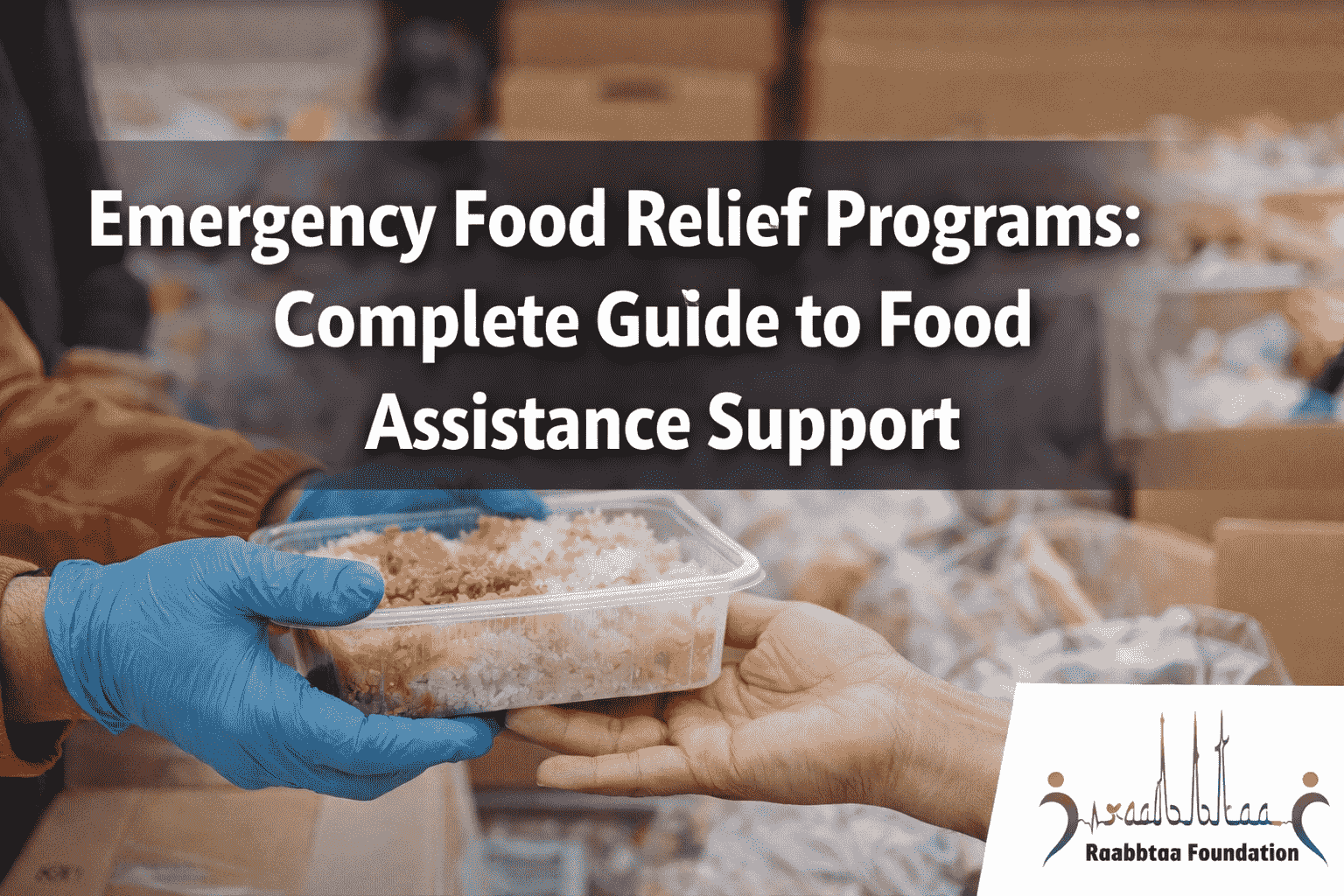
Emergency food relief programs are short-term assistance initiatives designed to provide immediate access to food for people facing hunger. They are typically operated by government agencies, nonprofit organizations, community groups, and faith-based institutions.
These programs focus on rapid response. Unlike long-term food assistance plans, emergency food relief programs aim to address urgent situations such as:
Sudden unemployment
Natural disasters
Medical emergencies
Housing displacement
Economic crises
Because these situations can occur without warning, relief programs prioritize accessibility, speed, and minimal paperwork.
Why Emergency Food Relief Programs Matter
Emergency food relief programs play a crucial role in public health and social stability. Access to food is not just about preventing hunger; it directly impacts physical health, mental well-being, and economic productivity.
Without immediate food assistance, individuals may experience:
Malnutrition
Increased stress and anxiety
Reduced work performance
Higher healthcare costs
Therefore, these programs serve as a safety net that stabilizes communities during difficult times. They also reduce pressure on hospitals, shelters, and social services.
Types of Emergency Food Relief Programs
Different emergency food relief programs exist to serve various needs. Understanding these types helps applicants choose the fastest and most suitable option.
Food Banks
Food banks collect, store, and distribute food to local agencies. They usually supply groceries to community organizations rather than individuals directly. However, many food banks also host public distribution days.
Food Pantries
Food pantries provide groceries directly to people in need. They are often located in churches, schools, or community centers. Most allow walk-ins and provide pre-packed food boxes.
Soup Kitchens
Soup kitchens serve prepared meals on-site. They are ideal for individuals without cooking facilities, such as people experiencing homelessness.
Disaster Relief Food Services
During emergencies like hurricanes or earthquakes, disaster relief agencies set up temporary food stations. These programs prioritize speed and large-scale distribution.
Government Emergency Food Programs
Government initiatives often provide vouchers, electronic benefits, or direct food supplies. These programs typically have eligibility requirements but offer more consistent support.
Who Qualifies for Emergency Food Relief Programs?
Eligibility criteria vary by program. However, most emergency food relief programs prioritize people experiencing immediate financial hardship. Common qualifying factors include:
Low household income
Job loss or reduced work hours
Unexpected medical bills
Natural disaster displacement
Lack of housing
Importantly, many emergency food programs do not require proof of income. Their primary goal is rapid assistance, not complex screening. Therefore, if you are unsure whether you qualify, it is always worth applying.
Benefits of Emergency Food Relief Programs
Emergency food relief programs provide more than food. They also create stability and hope during challenging periods. Key benefits include:
Immediate hunger relief
Reduced financial stress
Access to nutritious meals
Support for children and seniors
Community connection
Moreover, these programs often connect recipients with additional services such as job placement assistance, housing resources, and healthcare referrals.
Emergency Food Relief for Families
Families with children are among the most vulnerable to food insecurity. Fortunately, many emergency food relief programs specifically support households with dependents.
Family-focused programs often provide:
Child-friendly food options
Baby formula and diapers
School meal replacements
Larger grocery packages
These targeted services ensure children receive adequate nutrition even during financial crises. Proper nutrition supports growth, academic performance, and emotional health.
Emergency Food Relief for Seniors
Older adults frequently face unique challenges such as fixed incomes, mobility limitations, and medical expenses. Emergency food relief programs for seniors address these barriers through specialized services, including:
Home-delivered meals
Senior food boxes
Priority service lines
Nutrition counseling
Because seniors may hesitate to seek help, outreach programs actively connect with them through community centers and healthcare providers.
Emergency Food Relief During Disasters
Natural disasters can disrupt food supply chains instantly. When this happens, emergency food relief programs activate rapid-response systems.
Disaster food assistance typically includes:
Mobile food distribution trucks
Temporary kitchens
Shelf-stable meal kits
Bottled water distribution
These operations rely on coordinated logistics, volunteers, and emergency management agencies. Quick deployment ensures affected populations receive food within hours rather than days.
How Communities Support Emergency Food Relief Programs
Community involvement is essential for sustaining emergency food relief programs. These initiatives depend heavily on donations, volunteers, and partnerships.
Ways communities contribute include:
Donating non-perishable food items
Funding food distribution operations
Volunteering at food pantries
Organizing food drives
Providing transportation support
Local businesses also play a significant role by donating surplus food. This reduces waste while helping families in need.
How Technology Is Improving Food Relief Access
Technology is transforming how emergency food relief programs operate. Digital tools streamline distribution and improve accessibility. Examples include:
Online eligibility screening
Mobile apps for locating food banks
Automated inventory tracking
SMS alerts for distribution events
These innovations reduce waiting times and ensure resources reach those who need them most.
Tips for Finding Emergency Food Relief Quickly
If you need immediate assistance, acting quickly increases your chances of receiving help. Follow these practical tips:
Search using your city name plus “emergency food relief programs.”
Call local community centers or religious institutions.
Contact municipal social services.
Check nonprofit directories.
Ask healthcare providers for referrals.
Many programs operate quietly within communities, so direct outreach is often the fastest method.
How to Support Emergency Food Relief Programs
Even if you do not currently need assistance, supporting emergency food relief programs strengthens community resilience. Consider these ways to help:
Donate funds or food
Volunteer regularly
Share information online
Organize workplace food drives
Advocate for food security policies
Small contributions collectively make a substantial impact.
Future of Emergency Food Relief Programs
The future of emergency food relief programs will likely involve expanded digital infrastructure, improved logistics, and stronger public-private partnerships. Governments and nonprofits increasingly collaborate to create integrated food security systems.
Experts predict growth in:
Real-time demand tracking
Nutritionally optimized food packages
Sustainable sourcing methods
AI-driven distribution planning
These advancements aim to ensure that emergency food assistance becomes faster, more efficient, and more equitable.
Final Thoughts
Emergency food relief programs are vital lifelines for individuals and families facing sudden hardship. They provide immediate nourishment, restore stability, and connect people with additional support services.
If you or someone you know is struggling to access food, remember that help is available. Emergency food relief programs exist specifically to respond quickly and compassionately. Seeking assistance is not a sign of failure—it is a step toward stability and recovery.