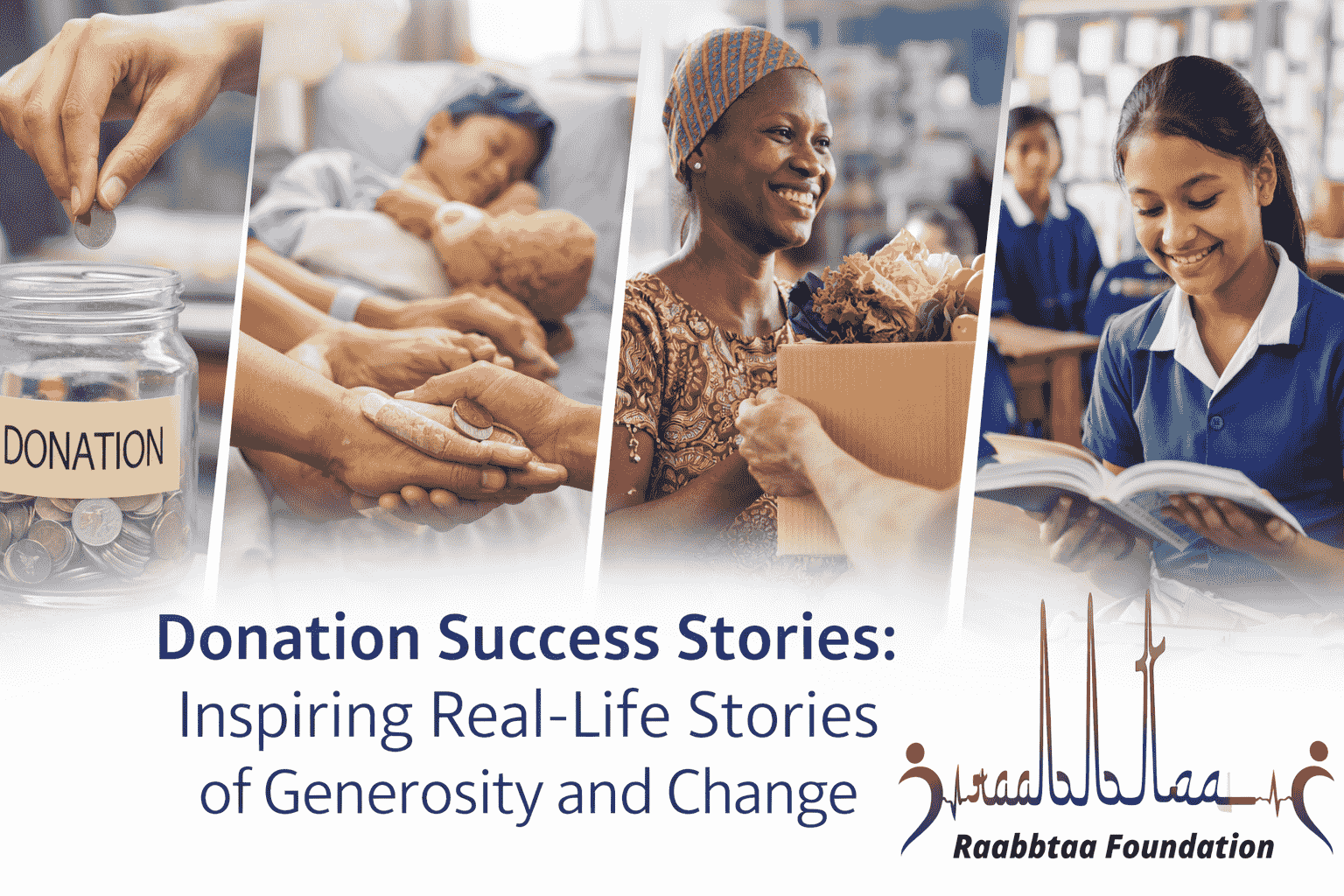
In a world where challenges seem overwhelming, donations have become a beacon of hope. Every small act of generosity can make a tremendous difference, changing lives, communities, and even entire societies. From supporting underprivileged children to funding life-saving medical treatments, donation success stories highlight the profound impact of giving.
This article explores **real-life donation success stories**, the lessons they teach us, and how they inspire others to contribute.
Every donation, whether big or small, has the potential to change a life. **Donation success stories** are real-life accounts that show how charitable contributions positively impact individuals, families, and communities. These stories go beyond numbers—they reflect hope, gratitude, and transformation.
For donors, reading these success stories often inspires continued generosity. For the recipients, these donations are life-changing, sometimes even life-saving. By sharing these experiences, organizations and communities encourage more people to contribute, creating a ripple effect of kindness.
The Power of Giving: Why Donations Matter
Donations are more than just financial contributions—they are investments in humanity. Here’s why donations matter:
Empowering Education: Donations help children access quality education, scholarships, and school resources.
Saving Lives: Funds can be used for medical treatments, surgeries, and life-saving interventions.
Supporting Communities: Donations can fund infrastructure, vocational training, and skill development programs.
Disaster Relief: Contributions provide immediate relief during natural disasters, helping families rebuild.
Environmental Protection: Donations can aid conservation projects that protect wildlife and natural habitats.
Each act of giving, no matter how small, contributes to creating a better world. And the success stories of these donations are the proof.
Emergency food relief programs are short-term assistance initiatives designed to provide immediate access to food for people facing hunger. They are typically operated by government agencies, nonprofit organizations, community groups, and faith-based institutions.
These programs focus on rapid response. Unlike long-term food assistance plans, emergency food relief programs aim to address urgent situations such as:
- Sudden unemployment
- Natural disasters
- Medical emergencies
- Housing displacement
- Economic crises
Because these situations can occur without warning, relief programs prioritize accessibility, speed, and minimal paperwork.
Life-Saving Medical Donations
Medical emergencies can strike anyone, and treatment often comes with a high cost. **Donation success stories in healthcare** show how charitable contributions save lives.
Take the story of Ayesha, a young girl suffering from a rare heart condition. Her family couldn’t afford the surgery, but a crowdfunding campaign raised the necessary funds. The surgery was successful, and Ayesha is now living a healthy life, attending school, and pursuing her dreams.
Another example is medical relief funds for cancer patients, which have allowed individuals to afford chemotherapy, medications, and post-treatment care.
Disaster Relief and Emergency Aid
Natural disasters often leave communities in dire need. Donations during emergencies like floods, earthquakes, and hurricanes are crucial.
In 2021, when severe floods hit Bangladesh, donations poured in from around the world. NGOs used these funds to provide food, clean water, shelter, and medical aid to thousands of affected families. Communities that lost everything were able to rebuild homes, access education for their children, and restore livelihoods.
Community Development Projects
Beyond individual impact, donations can transform entire communities. Funding community centers, vocational training, and small businesses creates jobs and strengthens local economies.
For instance, a donation-funded project in Kenya trained women in tailoring and handicrafts. The women started their own businesses, providing income for their families and uplifting the entire community. This success story shows that donations can spark sustainable economic growth.
**Key Takeaway:** Community-focused donations empower individuals while fostering self-reliant and thriving communities.
Environmental and Wildlife Conservation
Donations also play a pivotal role in environmental conservation. Success stories from wildlife sanctuaries, reforestation projects, and anti-poaching initiatives show the positive impact of giving.
In 2020, a global donation campaign helped save over 200 elephants in Africa from poachers. Funds were used to support rangers, install security systems, and provide local communities with alternative livelihoods. Similarly, tree-planting initiatives funded by donations have helped restore deforested areas, contributing to environmental sustainability.
Lessons from Donation Success Stories
Donation success stories teach us several valuable lessons:
1. **Every Contribution Counts:** No donation is too small. Even a few dollars can change a life.
2. **Generosity Inspires Others:** Reading about successful donations motivates more people to give.
3. **Transparency Builds Trust:** Organizations that share how donations are used encourage long-term support.
4. **Sustainable Giving Creates Long-Term Impact:** Donations that focus on education, community development, and healthcare have lasting effects.
5. **Empathy Drives Change:** Understanding the struggles of others encourages us to act compassionately.
By learning from these stories, donors can see the tangible results of their generosity and the positive impact it has on society.
How You Can Make a Difference
Everyone has the power to contribute, regardless of financial capability. Here’s how you can get involved:
* **Donate to Trusted Charities:** Research organizations that are transparent and impactful.
* **Participate in Fundraisers:** Crowdfunding campaigns and charity events are a great way to contribute.
* **Volunteer Your Time:** Donations aren’t always monetary—volunteering counts too.
* **Spread Awareness:** Share donation campaigns on social media to amplify their reach.
* **Support Community Projects:** Focus on initiatives that provide education, healthcare, and economic empowerment.
Your contribution, no matter the size, could be the next **success story**.
Conclusion
Donation success stories prove that giving can transform lives, uplift communities, and inspire hope. From funding education to saving lives, supporting disaster relief, and protecting the environment, every act of generosity matters.
As we celebrate these stories, let us remember that each donation is more than money—it’s a seed of change. By sharing these stories and encouraging more people to give, we can create a world where generosity and compassion lead the way.