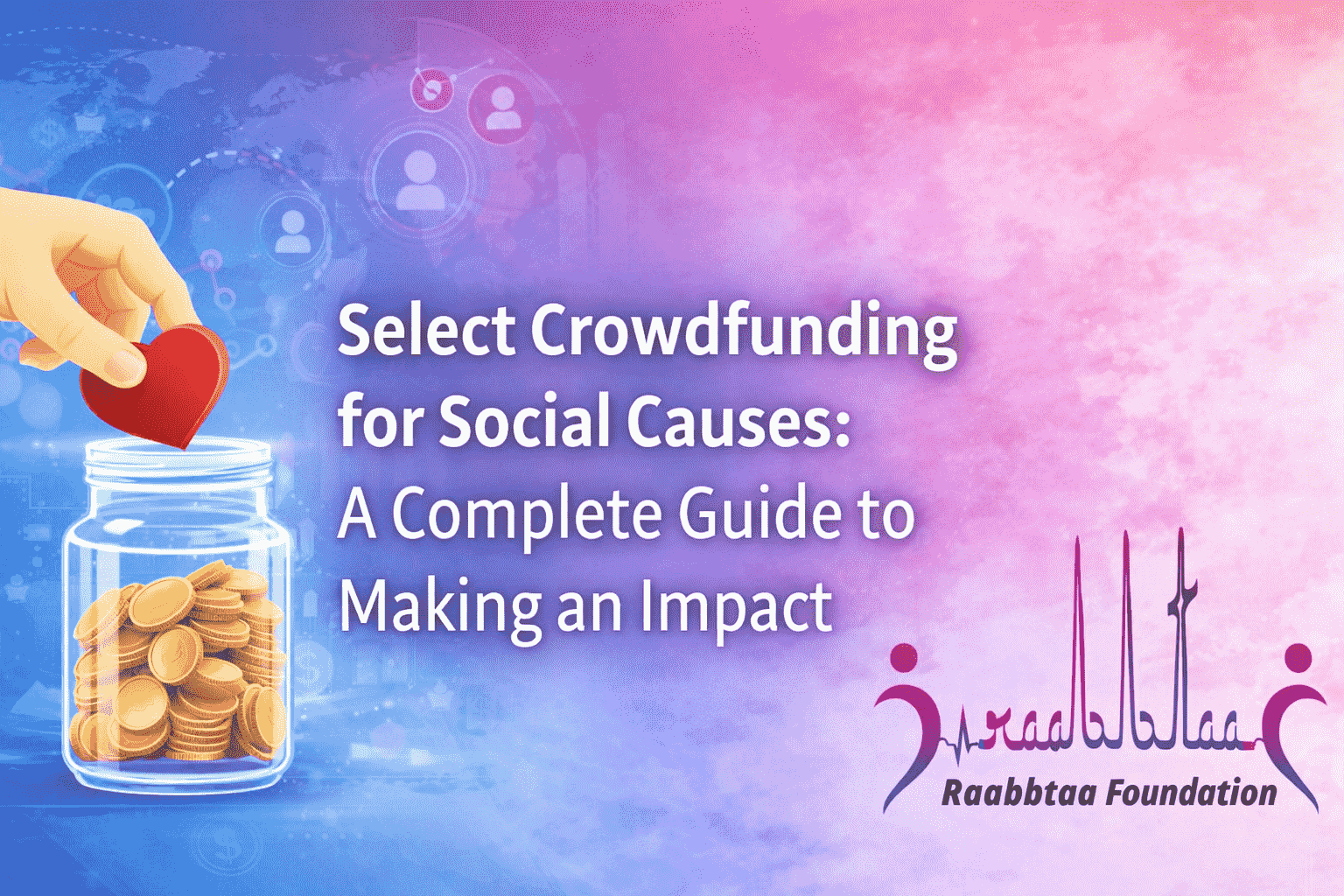
Crowdfunding for Social Causes: A Complete Guide to Making an Impact
In today’s digital age, social initiatives are no longer limited by geography or financial constraints. **Crowdfunding for social causes** has emerged as a revolutionary tool, empowering individuals and organizations to raise funds for projects that address pressing societal issues. From supporting education for underprivileged children to funding environmental initiatives, crowdfunding offers a platform to turn compassion into action.
In this guide, we will explore everything you need to know about crowdfunding for social causes, including the benefits, popular platforms, campaign strategies, legal considerations, and tips to ensure success.
What is Crowdfunding for Social Causes?
**Crowdfunding for social causes** refers to raising money from a large group of people, typically via online platforms, to fund charitable projects or social initiatives. Unlike traditional fundraising methods, crowdfunding allows anyone to contribute small or large amounts, collectively making a significant impact.
The rise of crowdfunding platforms has made it easier than ever to launch a campaign, spread awareness, and engage a global audience. Social crowdfunding campaigns are usually transparent, with contributors receiving updates about the project’s progress and impact.
Why Emergency Food Relief Programs Matter
Emergency food relief programs play a crucial role in public health and social stability. Access to food is not just about preventing hunger; it directly impacts physical health, mental well-being, and economic productivity.
Without immediate food assistance, individuals may experience:
Malnutrition
Increased stress and anxiety
Reduced work performance
Higher healthcare costs
Therefore, these programs serve as a safety net that stabilizes communities during difficult times. They also reduce pressure on hospitals, shelters, and social services.
Benefits of Crowdfunding for Social Causes
Crowdfunding offers several unique advantages for social initiatives:
1. Access to a Wider Audience
Traditional fundraising often relies on personal networks or local donors. With online crowdfunding, campaigns can reach thousands—or even millions—of potential supporters worldwide.
2. Cost-Effective Fundraising
Launching a crowdfunding campaign is often much more affordable than organizing large-scale events or campaigns. Many platforms operate on a commission or success-based model, making it accessible for small NGOs or individual social projects.
3. Awareness and Advocacy
Crowdfunding campaigns are not just about money—they’re also powerful tools for raising awareness about social issues. A well-crafted campaign can educate the public, spark conversations, and encourage collective action.
4. Validation of Ideas
Crowdfunding allows social entrepreneurs to test the viability of their ideas. The number of backers and contributions can serve as an indicator of public interest and support.
5. Encourages Community Engagement
Contributors often become advocates for the cause, sharing the campaign with their networks and spreading awareness organically. This builds a strong community of supporters invested in the success of the initiative.
Popular Crowdfunding Platforms for Social Causes
Choosing the right platform is crucial for the success of your crowdfunding campaign. Here are some of the most popular **social crowdfunding platforms**:
1. GoFundMe
**GoFundMe** is one of the most widely used platforms for social causes. It allows individuals and organizations to raise money for medical expenses, education, disaster relief, and charitable initiatives.
2. Kickstarter
While traditionally known for creative projects, **Kickstarter** can be used for social initiatives with a clear goal and deliverable. It follows an all-or-nothing funding model, meaning funds are only collected if the campaign reaches its target.
3. Indiegogo
**Indiegogo** offers both flexible and fixed funding options. It’s suitable for projects that may need ongoing contributions and supports both social causes and entrepreneurial initiatives.
4. JustGiving
**JustGiving** focuses specifically on charitable causes. It integrates with social media, making it easy for campaigns to gain traction through shares and donations.
5. Milaap
Popular in India, **Milaap** supports crowdfunding for social causes such as education, healthcare, and community development. It’s designed to connect social initiatives with compassionate donors.
e on a commission or success-based model, making it accessible for small NGOs or individual social projects.
Tips for a Successful Social Crowdfunding Campaign
A well-planned campaign can significantly increase your chances of success. Here are some proven tips:
1. Use High-Quality Visuals
Images and videos grab attention and convey your message effectively. Show the people, places, or projects your campaign supports to create an emotional connection.
2. Offer Incentives
Even small rewards, such as thank-you notes, exclusive content, or recognition, can motivate donors to contribute more generously.
3. Leverage Social Media
Share your campaign on multiple platforms like Facebook, Instagram, Twitter, and LinkedIn. Use hashtags, stories, and live updates to engage followers.
4. Collaborate with Influencers and Partners
Partner with individuals or organizations that align with your cause. Their endorsement can amplify your campaign and bring in new supporters.
5. Keep the Campaign Page Clear and Concise
Avoid overwhelming potential donors with excessive information. Use headings, bullet points, and concise descriptions for readability.
6. Show Impact Clearly
Explain how donations will be used and what outcomes they will achieve. Donors are more likely to contribute when they understand the tangible impact of their support.
7. Share Personal Testimonials
Include stories from beneficiaries or team members to add authenticity. Real-life experiences resonate more with donors than statistics alone.
Benefits of Emergency Food Relief Programs
Emergency food relief programs provide more than food. They also create stability and hope during challenging periods. Key benefits include:
Immediate hunger relief
Reduced financial stress
Access to nutritious meals
Support for children and seniors
Community connection
Moreover, these programs often connect recipients with additional services such as job placement assistance, housing resources, and healthcare referrals.
Legal and Ethical Considerations in Social Crowdfunding
Running a crowdfunding campaign for social causes requires attention to legal and ethical standards:
1. Comply with Local Laws
Ensure your campaign complies with local fundraising and tax regulations. Some countries require registration for charitable fundraising.
2. Transparent Financial Reporting
Keep accurate records of all donations and expenditures. Transparency builds trust and credibility with donors.
3. Protect Donor Data
Handle personal information securely, adhering to data protection laws such as GDPR or local regulations.
4. Avoid Misrepresentation
Do not exaggerate or falsify claims about your project. Misleading campaigns can harm your reputation and result in legal consequences.
Challenges in Crowdfunding for Social Causes
While crowdfunding offers tremendous potential, campaigns may face challenges:
High Competition: Thousands of campaigns compete for attention on popular platforms. Standing out requires creativity and strategic promotion.
Donor Fatigue: Frequent fundraising appeals can lead to decreased engagement. Diversifying your approach helps maintain interest.
Platform Fees: Some platforms charge fees for transactions or campaign hosting, reducing the total funds raised.
Trust Issues: Potential donors may hesitate if a campaign lacks transparency or credibility. Regular updates and proof of impact mitigate this risk.
Case Studies: Successful Crowdfunding Campaigns
1. Charity: Water
Charity: Water raised millions through storytelling and transparent updates. Their campaigns focused on providing clean drinking water, showing exactly how contributions were used.
2. The Ice Bucket Challenge
The ALS Association’s Ice Bucket Challenge went viral, raising over $115 million in 2014. Social media engagement and community participation drove unprecedented success.
3. Milaap Healthcare Campaigns
Many medical crowdfunding campaigns on Milaap have successfully funded critical treatments for patients, showcasing the platform’s potential for social impact in India.
Future of Social Crowdfunding
The future of crowdfunding for social causes looks promising, driven by technological advancements and growing social awareness:
Blockchain and Crypto Donations: Blockchain technology enables transparent, secure, and global contributions.
AI-Powered Campaign Optimization: AI tools can help target the right audience and optimize campaign strategies.
Collaborative Crowdfunding: Partnerships between NGOs, businesses, and influencers will increase campaign reach and effectiveness.
Crowdfunding will continue to democratize philanthropy, enabling anyone to contribute to meaningful causes and drive societal change.
Conclusion
Crowdfunding for social causes is more than just raising money—it’s about creating a community of supporters, spreading awareness, and driving tangible social impact. By choosing the right platform, crafting a compelling story, and maintaining transparency, anyone can run a successful crowdfunding campaign.
Whether you are a non-profit organization, social entrepreneur, or individual with a mission, crowdfunding provides the tools and audience needed to make your vision a reality. Start planning your campaign today and turn compassion into action.