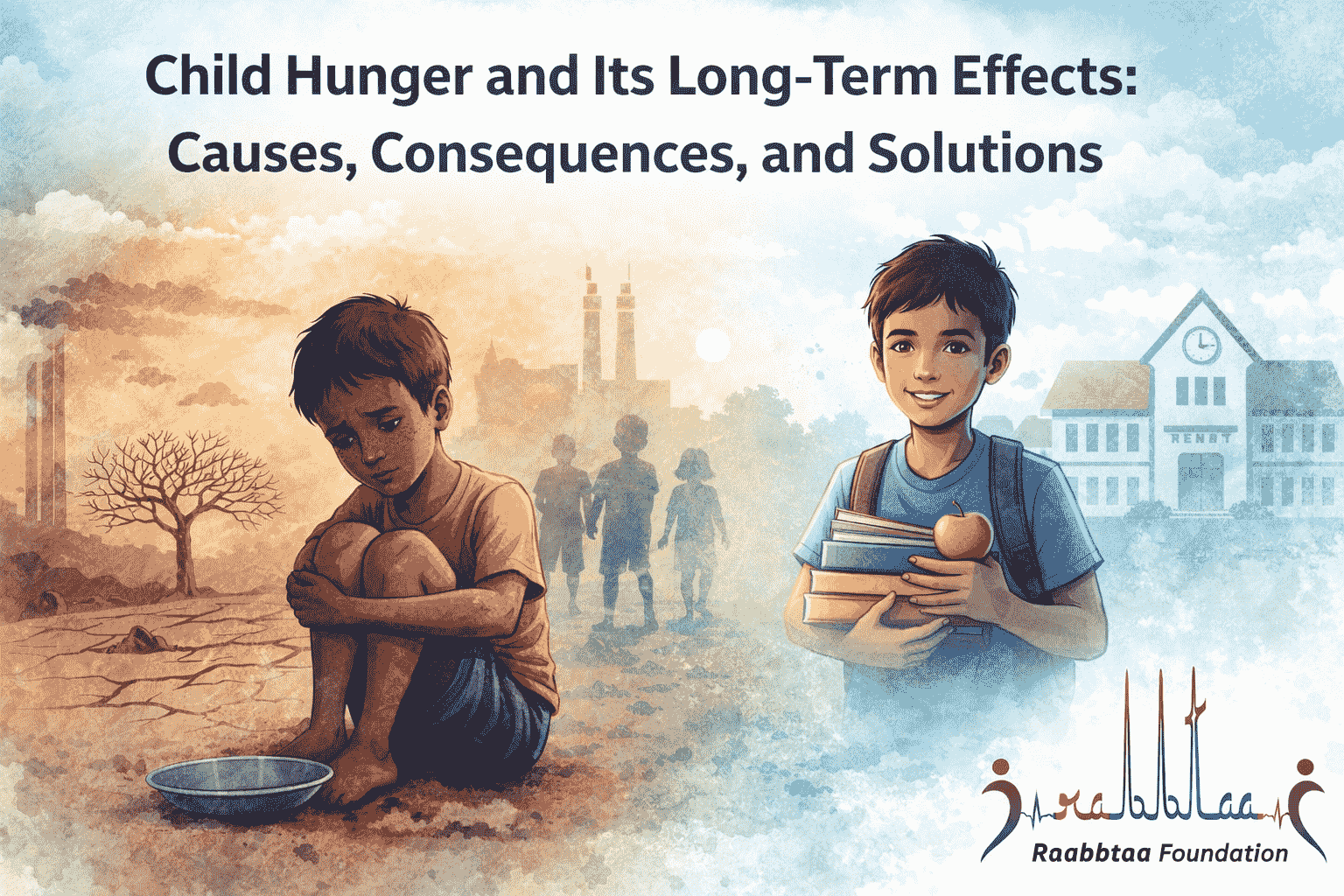
Child hunger remains one of the most pressing global public health and humanitarian challenges. Despite advancements in agriculture, medicine, and economic development, millions of children worldwide still lack consistent access to nutritious food. Understanding child hunger and its long-term effects is crucial for policymakers, educators, healthcare professionals, and communities aiming to break the cycle of poverty and malnutrition.
This article explores the causes of child hunger, its lasting physical and psychological consequences, global statistics, and evidence-based solutions that can help eradicate it.
What Is Child Hunger?
Child hunger refers to the condition in which children do not receive sufficient calories or nutrients required for proper growth, development, and daily functioning. It often overlaps with terms such as food insecurity, malnutrition, and undernourishment, although each has distinct technical definitions in nutrition science.
There are two primary forms:
1. Acute Hunger
Acute hunger occurs when children experience severe food shortages over a short period. It can lead to rapid weight loss, weakened immunity, and increased mortality risk.
2. Chronic Hunger
Chronic hunger results from long-term nutritional deprivation. This form is particularly dangerous because it interferes with physical growth, brain development, and emotional stability over time.
Global Statistics on Child Hunger
Child hunger is not confined to low-income countries. It exists in developed nations as well, although prevalence and severity differ. Current global estimates show:
Hundreds of millions of children experience some level of food insecurity.
Nearly half of deaths among children under five are linked to undernutrition.
Stunting affects millions of children, limiting both physical and cognitive potential.
These numbers demonstrate that child hunger is not merely a food supply issue; it is also tied to economic inequality, political instability, and systemic social disparities.
Primary Causes of Child Hunger
Understanding root causes helps design effective interventions. Child hunger rarely stems from a single factor; instead, it arises from interconnected structural and environmental conditions.
Poverty and Economic Instability
Households living below the poverty line often lack resources to purchase nutritious foods. When income is unstable, families may rely on low-cost, calorie-dense but nutrient-poor meals.
Conflict and Displacement
War and political unrest disrupt food systems, destroy agricultural infrastructure, and displace families. Children in conflict zones face some of the highest hunger rates globally.
Climate Change and Environmental Stress
Droughts, floods, and extreme weather events reduce crop yields and livestock productivity. As climate variability increases, food scarcity intensifies, especially in vulnerable regions.
Lack of Education
Parents who lack nutrition knowledge may not understand dietary requirements for children. Education strongly correlates with improved child health outcomes.
Inequitable Food Distribution
Food production worldwide is sufficient to feed the global population. However, distribution inefficiencies and economic barriers prevent equitable access.
Physical Long-Term Effects of Child Hunger
One of the most alarming aspects of child hunger and its long-term effects is the lasting damage to the body. Nutritional deprivation during critical growth stages can permanently alter physiological development.
Stunted Growth
Children who experience chronic malnutrition often suffer from stunting, a condition characterized by reduced height for age. Stunting reflects long-term nutrient deficiency and is associated with delayed motor development and reduced physical capacity.
Weakened Immune System
Malnourished children have compromised immune responses. As a result, they are more susceptible to infections such as pneumonia, diarrhea, and malaria. Frequent illness further reduces nutrient absorption, creating a vicious cycle.
Organ Development Issues
Insufficient protein, vitamins, and minerals impair organ formation. For example, iron deficiency can affect heart and muscle function, while iodine deficiency can disrupt thyroid activity.
Increased Risk of Chronic Diseases
Research shows that children who experience hunger early in life have higher risks of adult diseases such as diabetes, hypertension, and cardiovascular disorders. Early nutritional deficits can alter metabolism permanently.
Cognitive and Educational Consequences
The brain requires adequate nutrition to develop neural connections. When children lack essential nutrients, neurological growth slows, affecting learning ability and mental performance.
Impaired Brain Development
Nutrients like iron, zinc, and omega-3 fatty acids are vital for brain structure. Deficiencies can reduce memory, attention span, and problem-solving skills.
Lower Academic Achievement
Hungry children often struggle in school. They may have difficulty concentrating, show lower test scores, and experience higher absenteeism rates.
Reduced Future Earnings Potential
Educational limitations translate into fewer employment opportunities. Consequently, childhood hunger contributes to intergenerational poverty cycles.
Emotional and Psychological Effects
The psychological toll of hunger is often overlooked but equally severe. Children who experience chronic food insecurity frequently exhibit emotional distress.
Anxiety and Stress
Uncertainty about when the next meal will come can create persistent anxiety. Over time, chronic stress affects hormone regulation and mental health.
Behavioral Problems
Teachers and caregivers often observe increased irritability, aggression, or withdrawal in hungry children. These behavioral patterns may stem from both biological and environmental stressors.
Low Self-Esteem
Children who lack adequate nutrition may feel embarrassed or socially isolated, especially when they notice differences between themselves and peers.
Social and Economic Consequences for Society
The long-term impacts of child hunger extend beyond individual health. They influence entire economies and social systems.
Reduced Workforce Productivity
Adults who suffered childhood malnutrition often have reduced physical stamina and cognitive capacity. This leads to decreased productivity and economic output.
Increased Healthcare Costs
Malnutrition-related illnesses require medical treatment throughout life. Governments and families bear substantial financial burdens as a result.
Perpetuation of Poverty Cycles
When children grow up without adequate nutrition or education, they are more likely to remain in poverty. Their own children may then face similar conditions, continuing the cycle.
The Link Between Child Hunger and Malnutrition
Although hunger and malnutrition are related, they are not identical. Hunger refers to insufficient food intake, while malnutrition includes both undernutrition and micronutrient deficiencies.
For instance, a child may consume enough calories but still lack vitamins and minerals. This condition, sometimes called “hidden hunger,” can still cause serious developmental problems.
Warning Signs of Hunger in Children
Recognizing early indicators allows caregivers and professionals to intervene quickly. Common signs include:
- Persistent fatigue or low energy
- Frequent illness or slow recovery
- Poor concentration
- Delayed growth milestones
Noticeable weight loss or underweight status
Early detection is critical because prolonged deprivation increases the risk of irreversible damage.
The Role of Communities and Individuals
While policy initiatives are essential, community involvement also plays a powerful role. Local organizations, volunteers, and households can contribute through:
Supporting food banks and meal programs
Reducing food waste
Advocating for equitable food policies
Educating others about nutrition
Collective action amplifies impact and accelerates progress toward eliminating child hunger.
Why Early Intervention Matters Most
The first 1,000 days of a child’s life—from conception to age two—represent a critical window for development. Nutritional deficits during this period can cause irreversible damage to physical growth and brain function.
Intervening early yields measurable benefits:
Improved cognitive performance
Higher school completion rates
Greater adult earning potential
Reduced healthcare costs
Therefore, preventive strategies are far more effective than corrective measures later in life.
Future Outlook: Can Child Hunger Be Eliminated?
Experts agree that ending child hunger is achievable. The world already produces enough food to feed every person. The real challenge lies in distribution, accessibility, and political commitment.
Technological innovations such as precision agriculture, improved crop genetics, and digital supply chains offer promising solutions. However, sustained investment and policy alignment remain essential.
If governments, organizations, and communities prioritize child nutrition, significant progress can occur within a generation.
Conclusion:
Child hunger is not just a temporary hardship; it is a condition with profound and lasting consequences. From impaired physical growth and cognitive limitations to emotional distress and reduced economic productivity, the long-term effects ripple across entire societies.
Understanding child hunger and its long-term effects highlights the urgency of action. Preventing hunger during childhood is one of the most effective investments a society can make, yielding benefits in health, education, and economic stability for decades.
Ending child hunger requires coordinated strategies, informed policies, and community commitment. With targeted interventions and sustained awareness, a future where every child has access to adequate nutrition is within reach.