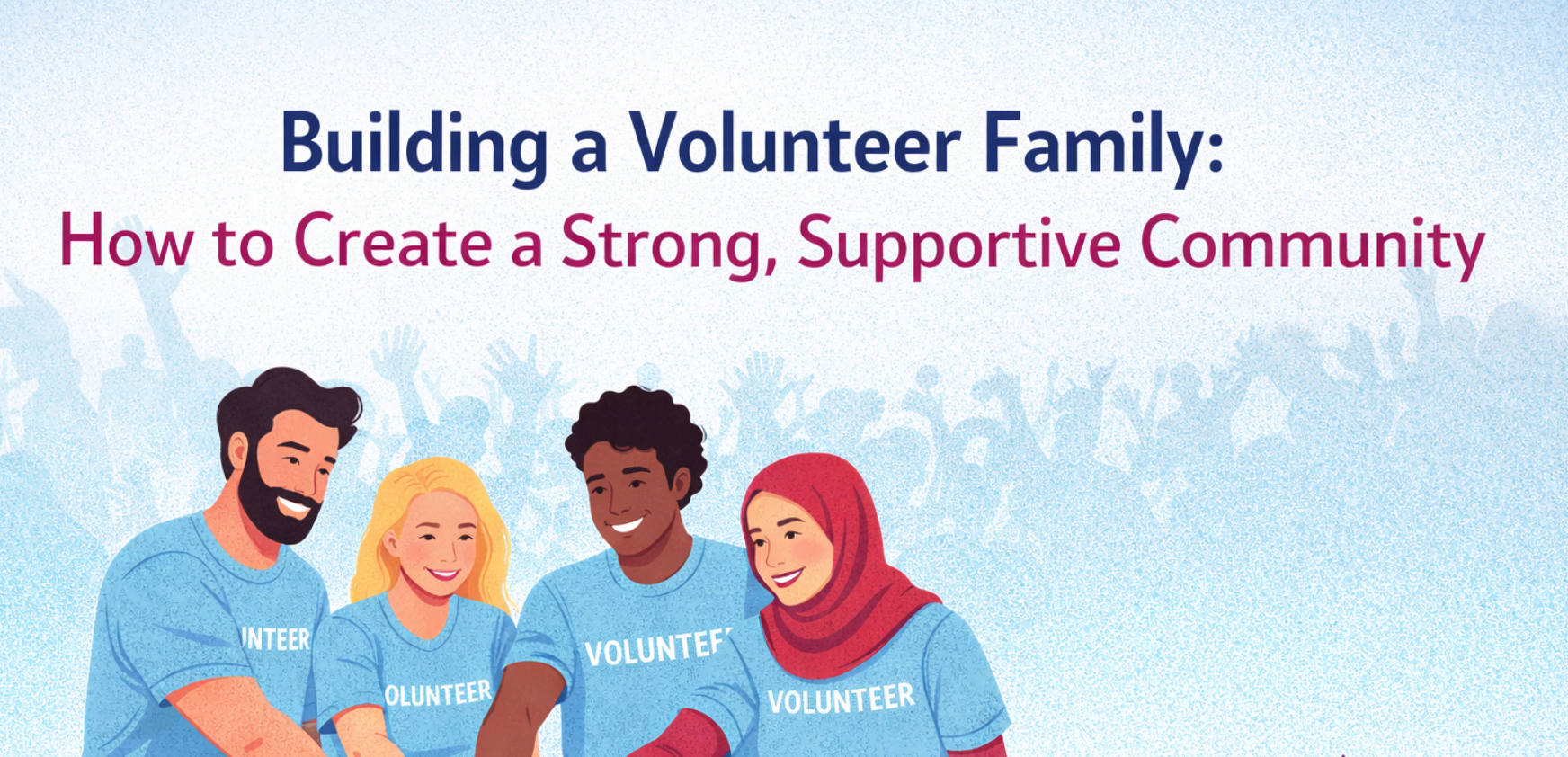
Building a Volunteer Family: How to Create a Strong, Supportive Community
In today’s fast-paced world, building meaningful connections has become more important than ever. However, many organizations struggle to create lasting relationships with their volunteers. That is why building a volunteer family has emerged as a powerful solution.
Rather than treating volunteers as temporary helpers, successful organizations now view them as valued members of a supportive community. As a result, volunteers feel appreciated, motivated, and committed for the long term.
Moreover, when people feel connected, they naturally give more of their time and energy. Therefore, creating a volunteer family helps organizations grow stronger while making a greater social impact.
In this guide, you will learn exactly how to build, nurture, and sustain a thriving volunteer family that benefits everyone involved.
📌 What Does Building a Volunteer Family Mean?
Before exploring strategies, it is essential to understand what building a volunteer family truly means.
A volunteer family is more than just a group of people working together. Instead, it represents a culture of trust, respect, belonging, and mutual support. In this environment, volunteers feel emotionally connected to both the mission and each other.
Furthermore, a volunteer family focuses on relationships, not transactions. While tasks still matter, people always come first.
✅ Key Characteristics of a Volunteer Family
A strong volunteer family usually includes:
Open communication and transparency
Emotional support and encouragement
Shared values and goals
Recognition and appreciation
Opportunities for growth
Because of these qualities, volunteers feel safe expressing ideas and concerns. Consequently, engagement and loyalty increase significantly.
📌 Why Building a Volunteer Family Matters
Many organizations focus heavily on recruitment. However, retention often receives less attention. Fortunately, building a volunteer family addresses this challenge directly.
📌 Improves Volunteer Retention
When volunteers feel like family, they are less likely to leave. Instead of viewing their role as temporary, they see it as part of their identity.
As a result, organizations save time and resources that would otherwise be spent on constant recruitment.
📌 Increases Motivation and Productivity
Motivated volunteers work harder and care more deeply about outcomes. Therefore, when people feel valued, they naturally perform better.
Moreover, family-like environments encourage collaboration and innovation. Consequently, teams become more effective.
📌 Strengthens Community Impact
A united volunteer family delivers better services. Because members support each other, they overcome challenges more easily.
Additionally, satisfied volunteers often become ambassadors. As a result, they attract more supporters to your cause.
📌 Laying the Foundation for a Volunteer Family
Building a volunteer family does not happen overnight. Instead, it requires intentional planning and consistent effort.
📌 Define Your Mission and Values Clearly
First and foremost, volunteers must understand why your organization exists. Therefore, communicate your mission clearly and frequently.
When people connect emotionally with your purpose, they become more invested. Consequently, loyalty grows.
📌 Create a Welcoming Onboarding Process
First impressions matter. Therefore, a structured onboarding program is essential.
Consider including:
Orientation sessions
Welcome kits
Mentor assignments
Training workshops
As a result, new volunteers feel supported from day one.
📌 Establish Strong Leadership
Leaders set the tone for organizational culture. Therefore, choose coordinators who are empathetic, approachable, and inspiring.
Moreover, effective leaders listen actively. Consequently, volunteers feel heard and respected.
📌 Building Trust and Open Communication
Trust forms the backbone of every successful volunteer family. Without it, relationships weaken over time.
📌 Encourage Two-Way Communication
Instead of only giving instructions, invite feedback regularly. For example, use surveys, meetings, or suggestion boxes.
When volunteers know their opinions matter, they become more engaged.
📌 Practice Transparency
Share updates, challenges, and achievements openly. As a result, volunteers feel included in decision-making.
Furthermore, transparency prevents misunderstandings. Therefore, conflicts decrease.
📌 Resolve Conflicts Respectfully
Disagreements are natural. However, unresolved conflicts damage morale.
Therefore, address issues quickly and fairly. By doing so, you protect relationships.
📌 Creating a Culture of Recognition and Appreciation
Recognition is one of the strongest motivators. Yet, many organizations underestimate its power.
📌 Celebrate Achievements Regularly
Publicly acknowledge contributions during meetings, newsletters, or social media.
For instance, “Volunteer of the Month” programs boost morale significantly.
📌 Offer Personalized Appreciation
While group recognition matters, personal appreciation creates deeper connections.
Therefore, handwritten notes, birthday messages, or thank-you calls make a big difference.
📌 Provide Growth Opportunities
Offer leadership roles, workshops, or certifications. As a result, volunteers feel invested in their personal development.
📌 Encouraging Connection and Team Bonding
Strong relationships do not form automatically. Instead, they require deliberate effort.
📌 Organize Social Activities
Host gatherings, picnics, or virtual meetups. These events help volunteers connect beyond work.
Consequently, trust grows naturally.
📌 Promote Team Collaboration
Encourage group projects instead of isolated tasks. Therefore, volunteers learn to rely on each other.
📌 Create Peer Support Systems
Buddy programs and mentorship help new members adjust quickly.
As a result, retention improves.
📌 Using Technology to Strengthen Your Volunteer Family
Technology plays a vital role in modern volunteer management.
📌 Communication Platforms
Use tools like WhatsApp, Slack, or email groups to stay connected.
Therefore, information flows smoothly.
📌 Volunteer Management Software
Digital platforms simplify scheduling, tracking, and reporting.
As a result, administrative burdens decrease.
📌 Social Media Communities
Private Facebook or WhatsApp groups encourage interaction.
Consequently, engagement remains high even between activities.
📌 Maintaining Long-Term Engagement
Sustaining a volunteer family requires continuous attention.
📌 Provide Regular Training
Training keeps skills updated and boosts confidence.
Therefore, volunteers remain competent and motivated.
📌 Rotate Responsibilities
Offering new roles prevents burnout.
Moreover, it keeps experiences fresh and exciting.
📌 H3: Evaluate and Improve Continuously
Conduct regular evaluations. Then, adjust strategies accordingly.
As a result, your volunteer family evolves with changing needs.
📌 Overcoming Common Challenges
Every organization faces obstacles. However, proactive planning minimizes their impact.
📌 Volunteer Burnout
Prevent burnout by respecting boundaries and promoting work-life balance.
📌 Lack of Engagement
When engagement drops, revisit communication and recognition practices.
📌 Leadership Gaps
Invest in leadership development to ensure continuity.
📌 Measuring the Success of Your Volunteer Family
Tracking progress helps maintain quality.
📌 Key Performance Indicators
Retention rates
Attendance records
Satisfaction surveys
Community feedback
Analyzing these metrics enables data-driven decisions.
📌 The Future of Volunteer Communities
Volunteerism continues to evolve. Therefore, adaptability remains essential.
Hybrid volunteering, digital engagement, and micro-volunteering are growing trends.
Consequently, organizations must remain flexible.
By embracing innovation, you ensure long-term success.
📌 Conclusion: Start Building Your Volunteer Family Today
In conclusion, building a volunteer family transforms organizations from task-oriented groups into thriving communities.
When people feel valued, heard, and connected, they give their best. Therefore, investing in relationships produces lasting returns.
Moreover, a strong volunteer family strengthens both internal culture and external impact.
Now is the time to take action. By applying these strategies consistently, you can create a supportive, resilient, and passionate volunteer community that lasts for generations.