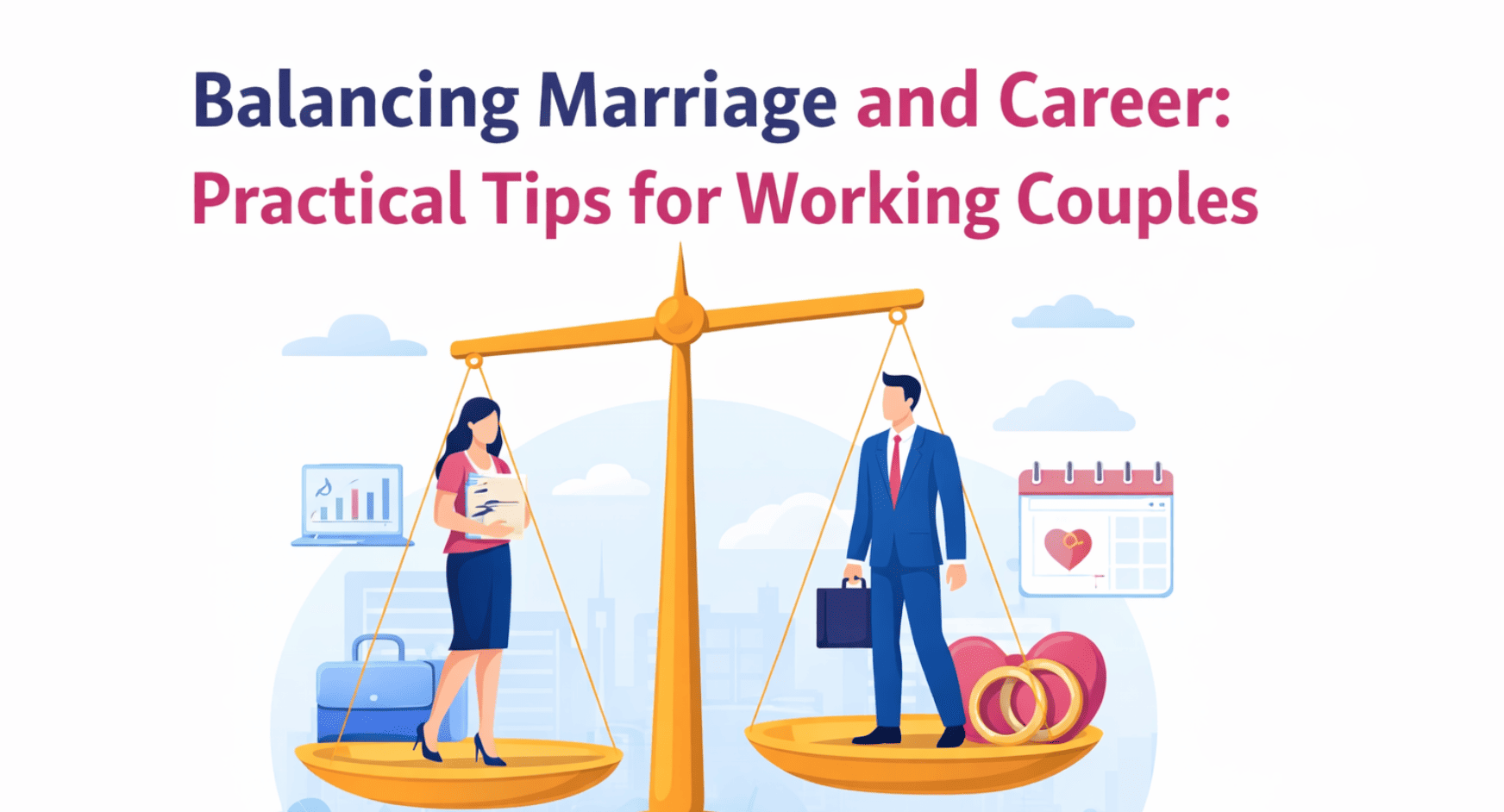
Balancing Marriage and Career: Tips for Working Couples
Balancing marriage and career can feel like walking a tightrope. Many couples today juggle demanding jobs, personal ambitions, family responsibilities, and relationship expectations. While professional success brings fulfillment and financial stability, maintaining a healthy marriage requires time, emotional investment, and intentional effort. Fortunately, with the right strategies, couples can thrive both professionally and personally.
This guide explores practical, research-backed techniques that help working couples create harmony between their relationship and career goals. By implementing these tips, you can strengthen your partnership without sacrificing professional growth.
Why Balancing Marriage and Career Matters
A strong marriage supports career success, and a satisfying career can enhance marital happiness. When one area suffers, the other often follows. For example, chronic workplace stress may lead to irritability at home, while relationship conflict can reduce focus at work. Therefore, balance is not a luxury—it is essential for long-term well-being.
Moreover, studies consistently show that couples who actively manage work-life balance experience higher relationship satisfaction, lower stress levels, and better mental health. In other words, investing effort into balance benefits both partners individually and as a unit.
Common Challenges Working Couples Face
Before solving a problem, you must understand it. Most couples struggle with balancing marriage and career because of these common obstacles:
1. Time Constraints
Busy schedules leave little room for meaningful connection. Meetings, deadlines, commuting, and overtime often consume the day.
2. Conflicting Priorities
One partner may prioritize career advancement while the other values family time. Without discussion, this difference can create resentment.
3. Stress Spillover
Work stress frequently follows people home. As a result, conversations become tense, and patience decreases.
4. Unequal Division of Responsibilities
If household duties fall disproportionately on one partner, conflict is almost inevitable.
Recognizing these challenges helps couples address them proactively rather than reacting emotionally.
Set Shared Goals as a Couple
Successful couples treat their relationship like a partnership rather than two separate lives running in parallel. One of the most effective ways to achieve this is by setting shared goals.
Start by discussing both short-term and long-term priorities. These may include career milestones, financial targets, travel plans, or family decisions. When both partners understand what they are working toward, they are more likely to support each other’s ambitions.
Additionally, revisit these goals regularly. Careers evolve, opportunities arise, and priorities shift. Periodic check-ins ensure that both partners remain aligned and feel heard.
Communicate Openly and Consistently
Communication is the backbone of any strong marriage, especially when careers demand significant time and energy. Transparent conversations prevent misunderstandings and build trust.
Practical communication tips:
Schedule weekly check-ins to discuss schedules and concerns.
Share work challenges without turning every conversation into a complaint session.
Express appreciation for each other’s efforts.
Address issues early before they escalate.
Furthermore, active listening is just as important as speaking. When your partner talks, focus completely instead of multitasking. This simple habit dramatically improves emotional connection.
Create Clear Work-Life Boundaries
One major reason couples struggle with balancing marriage and career is the absence of boundaries. Without limits, work can easily consume personal time.
To prevent this, establish firm guidelines such as:
No work emails during dinner
Dedicated couple time each week
Turning off notifications after a certain hour
Keeping weekends partially work-free
Boundaries protect relationship time. They also increase productivity because focused work periods reduce distractions.
Prioritize Quality Time Over Quantity
Many couples believe they need large amounts of free time together. In reality, quality matters more than quantity. Even short, intentional interactions can strengthen a relationship.
For instance, a 20-minute distraction-free conversation can be more meaningful than several hours spent together while scrolling on phones. Plan small rituals such as morning coffee chats, evening walks, or weekly date nights. These consistent moments create emotional stability despite busy schedules.
Divide Responsibilities Fairly
Household duties often become a hidden source of tension for working couples. When one partner feels overburdened, frustration builds quickly.
Instead of assuming roles, discuss responsibilities openly. List all tasks—from cooking to bill payments—and divide them based on availability, preference, and strengths. Some couples rotate chores weekly, while others specialize in specific tasks. The method matters less than the fairness.
Importantly, fairness does not always mean equality. During demanding work periods, one partner may temporarily handle more at home. However, balance should return once schedules stabilize.
Support Each Other’s Career Growth
Balancing marriage and career does not mean limiting ambition. On the contrary, supportive partners encourage professional development.
You can show support by:
Celebrating promotions and achievements
Offering encouragement before important meetings
Being flexible during busy work seasons
Providing constructive feedback when asked
When both partners feel supported, they view career success as a shared victory rather than individual competition.
Manage Stress as a Team
Stress is unavoidable in modern professional life. However, couples who manage stress collaboratively cope better than those who handle it alone.
Try these joint stress-management strategies:
Exercise together
Practice mindfulness or meditation
Take short weekend trips
Share feelings without judgment
Working as a team transforms stress from a dividing force into a bonding experience.
Maintain Individual Identity
While partnership is crucial, maintaining individuality is equally important. Healthy marriages allow space for personal interests, friendships, and self-development.
Encourage each other to pursue hobbies, professional training, or social activities. Personal fulfillment enhances emotional well-being, which ultimately benefits the relationship. Couples who maintain individuality often bring more energy and positivity into their shared life.
Leverage Technology Wisely
Government agencies set food safety standards. Distributors must follow these regulations.
Therefore, regular audits and certifications are required. Consequently, consumers can trust food quality.
Plan Regular Relationship Check-Ins
Just as companies hold performance reviews, couples benefit from relationship evaluations. A monthly or quarterly discussion helps identify what is working and what needs improvement.
During these conversations, discuss:
Emotional satisfaction
Workload balance
Upcoming commitments
Relationship goals
Approach these check-ins as collaborative problem-solving sessions rather than criticism. This mindset encourages honesty and growth.
Handle Conflict Constructively
Conflict is inevitable when two busy individuals share a life. What matters is how disagreements are handled.
Healthy conflict practices include:
Address issues calmly
Focus on solutions instead of blame
Avoid bringing up unrelated past mistakes
Take breaks if emotions escalate
Constructive conflict strengthens relationships because it builds understanding and respect.
Protect Couple Time Like an Appointment
Many professionals schedule meetings weeks in advance but treat personal time casually. Unfortunately, this approach often leads to canceled plans and neglected relationships.
Instead, treat couple time as non-negotiable. Put it on the calendar and honor it just like a business commitment. This signals that your marriage is a priority, not an afterthought.
Financial Planning Reduces Stress
Money issues are among the leading causes of marital tension. Working couples should therefore develop a clear financial plan together.
Key steps include:
Setting joint financial goals
Creating a shared budget
Planning savings and investments
Discussing major purchases beforehand
Financial transparency builds trust and prevents misunderstandings. It also aligns both partners toward shared long-term objectives.
Know When to Seek Professional Help
Sometimes balancing marriage and career becomes overwhelming despite best efforts. In such cases, seeking professional guidance can be beneficial.
Marriage counselors, career coaches, or therapists provide objective perspectives and practical tools. Seeking help is not a sign of failure; rather, it demonstrates commitment to improvement.
Realistic Expectations Are Essential
Perfection is unrealistic. Some days work will demand more attention, while other days your relationship will need priority. Balance is dynamic, not static.
Accepting this reality prevents guilt and frustration. Instead of striving for perfect balance daily, aim for overall harmony across weeks or months. Flexibility is the key to sustainability.
Daily Habits That Strengthen Both Career and Marriage
Small daily habits create long-term success. Consider integrating these simple practices:
Start the day with a positive interaction
Share one appreciation before bedtime
Review schedules each morning
Eat at least one meal together
Check in emotionally during stressful days
These habits require minimal time yet deliver significant relationship benefits.
Signs You Are Successfully Balancing Marriage and Career
How do you know your efforts are working? Look for these indicators:
Both partners feel valued and supported
Conflicts are resolved respectfully
Career progress continues without relationship strain
Quality time happens regularly
Stress levels remain manageable
If most of these signs are present, you are likely maintaining a healthy balance.
Long-Term Benefits of Achieving Balance
When couples master balancing marriage and career, the rewards extend far beyond daily convenience. Long-term benefits include:
Stronger emotional connection
Greater financial stability
Improved mental health
Increased productivity at work
Higher life satisfaction
Essentially, balance creates a positive feedback loop where success in one area fuels success in the other.
Final Thoughts
Balancing marriage and career is an ongoing process rather than a one-time achievement. It requires communication, planning, flexibility, and mutual respect. Although challenges will arise, couples who approach them as a team can build both a thriving relationship and a successful professional life.
By setting shared goals, protecting quality time, dividing responsibilities fairly, and supporting each other’s ambitions, working couples can create a partnership that strengthens every aspect of life. Ultimately, the goal is not choosing between love and success—it is designing a life where both flourish together.