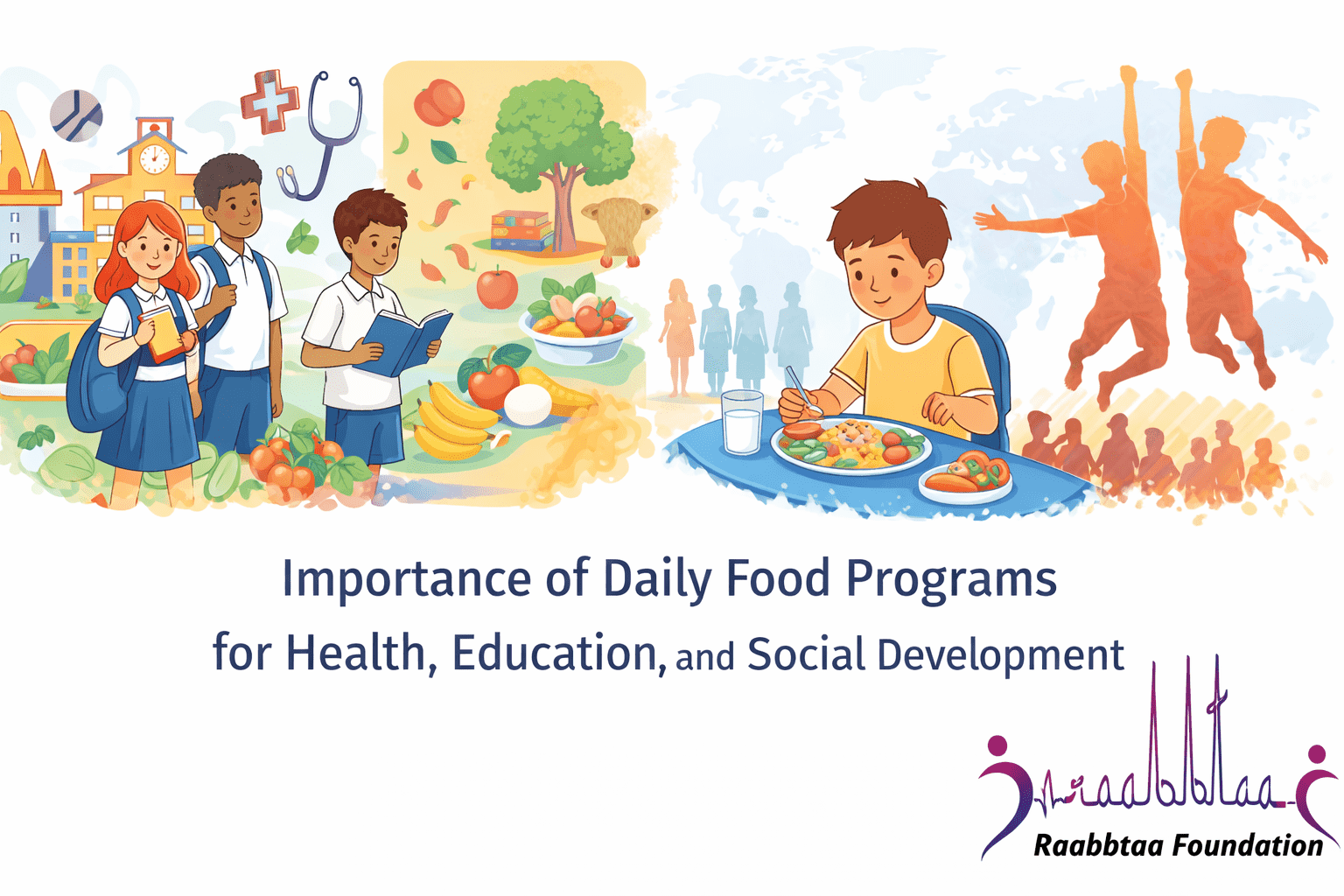
Daily food programs play a critical role in improving public health, supporting education, and strengthening communities. The importance of daily food programs is evident in how they address hunger, enhance nutrition, and create opportunities for individuals to lead healthier and more productive lives. In many regions, these initiatives serve as lifelines for vulnerable populations, ensuring consistent access to balanced meals.
Food insecurity remains a global challenge, affecting millions of people across different age groups. Daily food programs, whether implemented through schools, community centers, workplaces, or government initiatives, help bridge the gap between nutritional needs and food access. By guaranteeing regular meals, these programs not only alleviate hunger but also contribute to long-term social and economic stability.
What Are Daily Food Programs?
Daily food programs are organized initiatives designed to provide meals or nutritional support to individuals on a regular basis. These programs may be run by governments, nonprofit organizations, educational institutions, or community groups. Their primary goal is to ensure that people receive consistent nourishment regardless of income level or social status.
Such programs vary widely in scope and structure. Some focus on children through school meal programs, while others target low-income families, elderly individuals, or disaster-affected communities. Despite these differences, the central principle remains the same: reliable access to nutritious food improves overall quality of life.
Importance of Daily Food Programs for Public Health
One of the most significant reasons daily food programs matter is their direct impact on public health. Proper nutrition is essential for physical growth, immune function, and disease prevention. When people lack regular meals, they are more vulnerable to malnutrition, chronic illnesses, and weakened immunity.
Prevention of Malnutrition
Malnutrition can lead to stunted growth in children, fatigue in adults, and serious medical conditions across all age groups. Daily food programs provide balanced meals that supply essential vitamins, minerals, proteins, and carbohydrates. As a result, they help prevent nutrient deficiencies and promote healthy development.
Reduced Healthcare Costs
Another benefit of daily food programs is the reduction in healthcare expenses. Well-nourished individuals are less likely to suffer from nutrition-related illnesses such as anemia, diabetes complications, or weakened immune responses. Governments and communities therefore save resources that would otherwise be spent on medical treatments.
Improved Mental Health
Consistent access to nutritious food also supports mental well-being. Hunger and food insecurity often lead to stress, anxiety, and depression. Daily food programs provide stability, which can improve emotional health and foster a sense of security among recipients.
Importance of Daily Food Programs in Education
The importance of daily food programs is especially visible in educational settings. Students who receive regular meals perform better academically and demonstrate improved concentration, attendance, and behavior.
Enhanced Cognitive Function
Nutrition directly affects brain development and cognitive performance. Children who participate in school meal programs are more likely to retain information, solve problems effectively, and engage actively in classroom activities.
Increased School Attendance
Hunger is a major barrier to education. When schools provide meals, students are more motivated to attend classes consistently. Families facing financial hardship are also more likely to send their children to school if they know meals are included.
Better Academic Outcomes
Research consistently shows that students who receive balanced meals achieve higher test scores and show improved learning outcomes. Daily food programs therefore contribute not only to individual success but also to the overall development of a skilled workforce.
Social Benefits of Daily Food Programs
Daily food programs do more than address hunger; they foster stronger communities and social cohesion. By ensuring equitable access to food, these initiatives reduce inequality and promote inclusion.
Support for Vulnerable Populations
Low-income families, elderly individuals, and people with disabilities often struggle to secure nutritious meals. Daily food programs provide essential support, allowing these groups to maintain dignity and independence.
Strengthening Community Bonds
Community-based food initiatives encourage collaboration among volunteers, donors, and beneficiaries. This interaction builds trust and solidarity, reinforcing the social fabric and promoting collective responsibility.
Reduction in Crime and Social Instability
Food insecurity is closely linked to social unrest and crime. When basic needs are unmet, individuals may resort to desperate measures. By ensuring consistent access to meals, daily food programs help reduce such risks and contribute to safer neighborhoods.
Economic Impact of Daily Food Programs
The importance of daily food programs extends to economic development as well. These initiatives stimulate local economies, create employment opportunities, and improve productivity.
Boosting Local Agriculture
Many food programs source ingredients from local farmers and producers. This approach supports agricultural sectors, increases demand for local products, and strengthens regional economies.
Job Creation
Running a food program requires staff for planning, cooking, distribution, and administration. Consequently, these initiatives generate employment opportunities and contribute to economic growth.
Increased Workforce Productivity
Workers who receive regular meals are more energetic and focused. Proper nutrition enhances physical stamina and mental clarity, which leads to higher productivity and better job performance.
Importance of Daily Food Programs for Children’s Development
Children are among the primary beneficiaries of daily food programs. Adequate nutrition during early years is crucial for physical growth, brain development, and emotional stability.
Physical Growth and Strength
Balanced meals ensure that children receive sufficient nutrients for healthy bones, muscles, and organs. Without consistent nourishment, growth can be delayed, leading to long-term health complications.
Emotional Stability
Hunger often causes irritability and difficulty concentrating. Daily food programs provide reliable meals that stabilize mood and help children interact positively with peers and teachers.
Long-Term Success
Children who grow up with proper nutrition are more likely to complete their education, secure stable employment, and contribute meaningfully to society. Thus, daily food programs serve as investments in future generations.
Environmental Advantages of Structured Food Programs
Structured meal initiatives can also support environmental sustainability. Many programs incorporate strategies that reduce food waste and promote responsible consumption.
Minimizing Food Waste
Organized food distribution ensures that surplus food is redirected to those in need instead of being discarded. This practice conserves resources and reduces environmental impact.
Encouraging Sustainable Practices
Some programs prioritize locally sourced, seasonal, or organic ingredients. These choices lower transportation emissions and support environmentally friendly farming methods.
Role of Governments and Organizations
Governments, nonprofits, and private institutions all play vital roles in implementing daily food programs. Their collaboration determines the reach, efficiency, and sustainability of these initiatives.
Policy and Funding
Government policies often provide financial support and regulatory frameworks for food programs. Effective legislation ensures that resources are distributed fairly and programs operate transparently.
Nonprofit Contributions
Nonprofit organizations frequently manage food banks, soup kitchens, and meal distribution centers. Their grassroots approach allows them to identify community needs and respond quickly.
Corporate Social Responsibility
Many businesses participate through donations, sponsorships, or volunteer programs. Corporate involvement not only enhances program capacity but also demonstrates commitment to social responsibility.
Global Perspective on Daily Food Programs
Around the world, daily food programs are recognized as essential components of social welfare systems. International organizations and governments collaborate to combat hunger and malnutrition through large-scale initiatives.
In developing regions, these programs often focus on school meals and maternal nutrition. In developed countries, they may emphasize food banks, community kitchens, and subsidized meal plans. Regardless of location, the underlying objective remains consistent: ensuring that every individual has access to nutritious food each day.
Why the Importance of Daily Food Programs Cannot Be Ignored
The importance of daily food programs cannot be overstated because they address one of humanity’s most fundamental needs: access to food. Without reliable nutrition, individuals struggle to maintain health, pursue education, or contribute productively to society.
These programs represent more than charitable efforts; they are strategic investments in human capital. By reducing hunger and improving well-being, they create conditions that allow communities to thrive. Moreover, they promote equality by ensuring that everyone, regardless of socioeconomic status, has the opportunity to live a healthy life.
Conclusion:
Daily food programs are essential pillars of public health, education, social stability, and economic growth. Their ability to provide consistent, nutritious meals makes them powerful tools for combating hunger and improving quality of life. From supporting children’s development to strengthening communities and boosting productivity, the benefits of daily food programs extend far beyond immediate nourishment.
As societies continue to address global challenges such as poverty, inequality, and food insecurity, investing in reliable meal initiatives remains a practical and effective solution. The importance of daily food programs lies not only in feeding people today but also in building healthier, more resilient populations for the future.