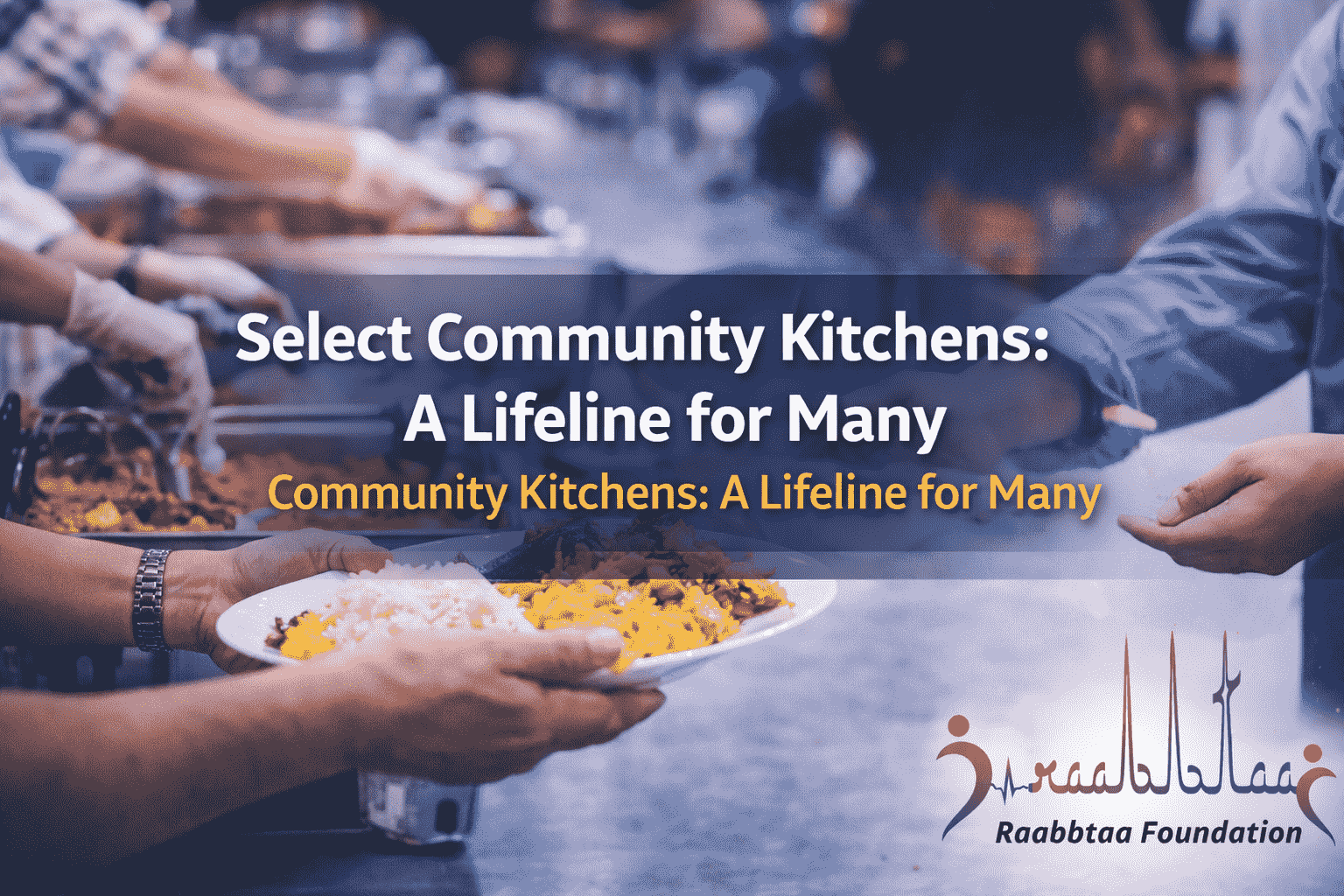
Community kitchens have become essential pillars of social support in many regions across the world. These initiatives provide free or low-cost meals to individuals and families facing food insecurity, financial hardship, or crisis situations. More than just meal providers, community kitchens foster dignity, belonging, and resilience. In an era marked by economic fluctuations, inflation, and rising living costs, community kitchens play a vital role in supporting vulnerable populations while strengthening social bonds.
This article explores what community kitchens are, how they work, why they matter, and how they transform lives daily.
What Are Community Kitchens?
Community kitchens are shared spaces where meals are prepared and distributed to people in need. These kitchens may be operated by nonprofit organizations, local governments, faith-based groups, or volunteers. Some serve hot meals daily, while others provide groceries, meal kits, or cooking programs.
Unlike traditional food banks, community kitchens often emphasize social interaction and communal dining, allowing individuals to eat together rather than simply receiving food parcels. This approach reduces stigma and fosters a sense of inclusion.
Key characteristics of community kitchens include:
Free or subsidized meals
Volunteer-driven operations
Donations from local businesses and residents
Inclusive environments for all individuals
These kitchens exist in urban centers, rural towns, and even mobile units serving remote areas.
Why Community Kitchens Are Essential Today
Food insecurity affects millions worldwide. Rising housing costs, job instability, health emergencies, and inflation can quickly push households into financial distress. Community kitchens address this gap directly by ensuring that people do not go hungry.
Combating Food Insecurity
Food insecurity occurs when individuals lack reliable access to sufficient nutritious food. Community kitchens provide immediate relief by offering balanced meals, often prepared by trained cooks or nutrition-aware volunteers.
Supporting Low-Income Families
Families facing tight budgets often skip meals or choose cheaper, less nutritious options. Community kitchens provide wholesome food that helps maintain health and reduces financial strain.
Responding to Emergencies
During natural disasters, pandemics, or economic crises, community kitchens act quickly. They can scale meal production and distribution to serve large populations affected by sudden hardship.
The Social Impact of Community Kitchens
Community kitchens are not only about food; they are about people. Their impact extends far beyond nourishment.
Building Community Connections
Shared meals encourage conversation and relationship-building. People who might otherwise feel isolated find companionship and support in communal dining spaces.
Reducing Social Isolation
Loneliness is a growing public health concern. Community kitchens provide safe environments where individuals can interact, share experiences, and feel valued.
Empowering Individuals
Many kitchens offer volunteer opportunities and cooking training programs. Participants gain skills, confidence, and sometimes pathways to employment in the food service industry.
Nutritional Benefits of Community Kitchens
Proper nutrition is essential for physical and mental well-being. Many individuals facing financial hardship struggle to afford fresh produce or balanced meals. Community kitchens help bridge this gap.
Meals often include vegetables, grains, and proteins
Nutrition guidelines are frequently followed
Special dietary needs may be accommodated
Children and seniors receive nutrient-rich meals
By offering healthy food options, community kitchens help reduce malnutrition, boost immunity, and improve overall health outcomes.
Environmental Benefits of Community Kitchens
Community kitchens also contribute to environmental sustainability. Many partner with grocery stores, farms, and restaurants to rescue surplus food that would otherwise go to waste.
Food waste reduction benefits include:
Lower landfill waste
Reduced greenhouse gas emissions
Efficient resource utilization
Increased awareness of sustainable consumption
Through food recovery programs, community kitchens transform excess ingredients into nourishing meals for those who need them most.
How Community Kitchens Operate
Although each community kitchen is unique, most follow a structured operational model to ensure efficiency and safety.
Food Sourcing
Ingredients come from donations, partnerships, grants, and government programs. Local farms and markets often provide fresh produce.
Meal Preparation
Volunteers or staff prepare meals in certified kitchens that follow food safety standards. Many organizations train volunteers in hygiene and preparation protocols.
Distribution
Meals may be served on-site, delivered to homes, or distributed through pickup stations. Some kitchens also run mobile units to reach underserved areas.
Funding
Funding typically comes from:
Donations
Grants
Sponsorships
Community fundraising events
Financial support ensures consistent meal availability and program expansion.
Who Benefits From Community Kitchens?
Community kitchens serve diverse populations, including:
Low-income families
Homeless individuals
Seniors on fixed incomes
Students facing financial challenges
People affected by disasters
Migrants and refugees
These programs operate on the principle that everyone deserves access to nutritious food, regardless of their circumstances.
Who Benefits From Community Kitchens?
Community kitchens serve diverse populations, including:
Low-income families
Homeless individuals
Seniors on fixed incomes
Students facing financial challenges
People affected by disasters
Migrants and refugees
These programs operate on the principle that everyone deserves access to nutritious food, regardless of their circumstances.
Community Kitchens and Public Health
Public health experts increasingly recognize community kitchens as preventive health resources. Access to nutritious meals helps reduce the risk of chronic illnesses such as diabetes, heart disease, and obesity. Additionally, regular meals improve concentration, energy levels, and emotional stability.
When people eat well, they are more likely to:
Maintain employment
Perform better academically
Manage stress effectively
Avoid costly medical treatments
Thus, community kitchens not only address hunger but also reduce long-term healthcare burdens.
The Role of Volunteers in Community Kitchens
Volunteers form the backbone of most community kitchens. Their dedication ensures that meals are prepared, served, and distributed efficiently.
Volunteer roles may include:
Cooking and food preparation
Serving meals
Cleaning and sanitation
Organizing donations
Administrative support
Volunteering benefits participants as well. It fosters empathy, teamwork, and civic engagement while strengthening local networks.
How Technology Is Improving Community Kitchens
Modern technology has enhanced the effectiveness of community kitchens. Digital tools streamline operations and improve outreach.
Examples include:
Online donation platforms
Scheduling apps for volunteers
Inventory tracking systems
Social media awareness campaigns
These tools help kitchens operate more efficiently, reduce waste, and reach individuals who need assistance.
Starting a Community Kitchen in Your Area
If your community lacks a meal support program, starting a community kitchen can be transformative. While it requires planning and coordination, the impact can be profound.
Basic steps include:
Assess local needs
Gather volunteers and partners
Secure a safe kitchen space
Obtain permits and licenses
Source food donations
Establish distribution methods
Collaboration with local authorities and organizations can help streamline the process and ensure compliance with health regulations.
Inspiring Stories From Community Kitchens
Across the world, countless stories highlight the life-changing impact of community kitchens. Individuals who once depended on free meals have gone on to become volunteers or staff members, giving back to the same programs that supported them.
These stories demonstrate how access to food can restore hope, dignity, and motivation. For many, a warm meal represents more than nourishment—it symbolizes care, compassion, and opportunity.
The Future of Community Kitchens
As global populations grow and economic uncertainties persist, the demand for food assistance programs will likely increase. Community kitchens are expected to evolve with new strategies and innovations, such as:
Sustainable sourcing partnerships
Mobile meal delivery systems
Nutrition education programs
Integration with social services
By adapting to changing needs, community kitchens will continue to serve as vital safety nets for vulnerable populations.
Why Community Kitchens Matter More Than Ever
In a world where millions still struggle with hunger, community kitchens represent hope and solidarity. They demonstrate what communities can achieve when people unite for a shared purpose: ensuring no one goes without food.
Their importance lies not only in feeding the hungry but also in nurturing compassion, equality, and resilience. Every meal served reflects a commitment to human dignity and collective responsibility.
Conclusion:
Community kitchens are far more than charitable initiatives. They are lifelines that address hunger, promote health, and strengthen social bonds. By providing nutritious meals, reducing isolation, and empowering individuals, these programs create lasting positive change.
Whether through volunteering, donating, or spreading awareness, everyone can play a role in supporting community kitchens. As communities continue to face economic and social challenges, these kitchens stand as powerful reminders that compassion and collaboration can transform lives.
Supporting feeding programs is a win-win: it benefits communities, employees, and companies alike. Every corporate contribution—whether financial, in-kind, or through volunteering—brings us closer to a hunger-free world.