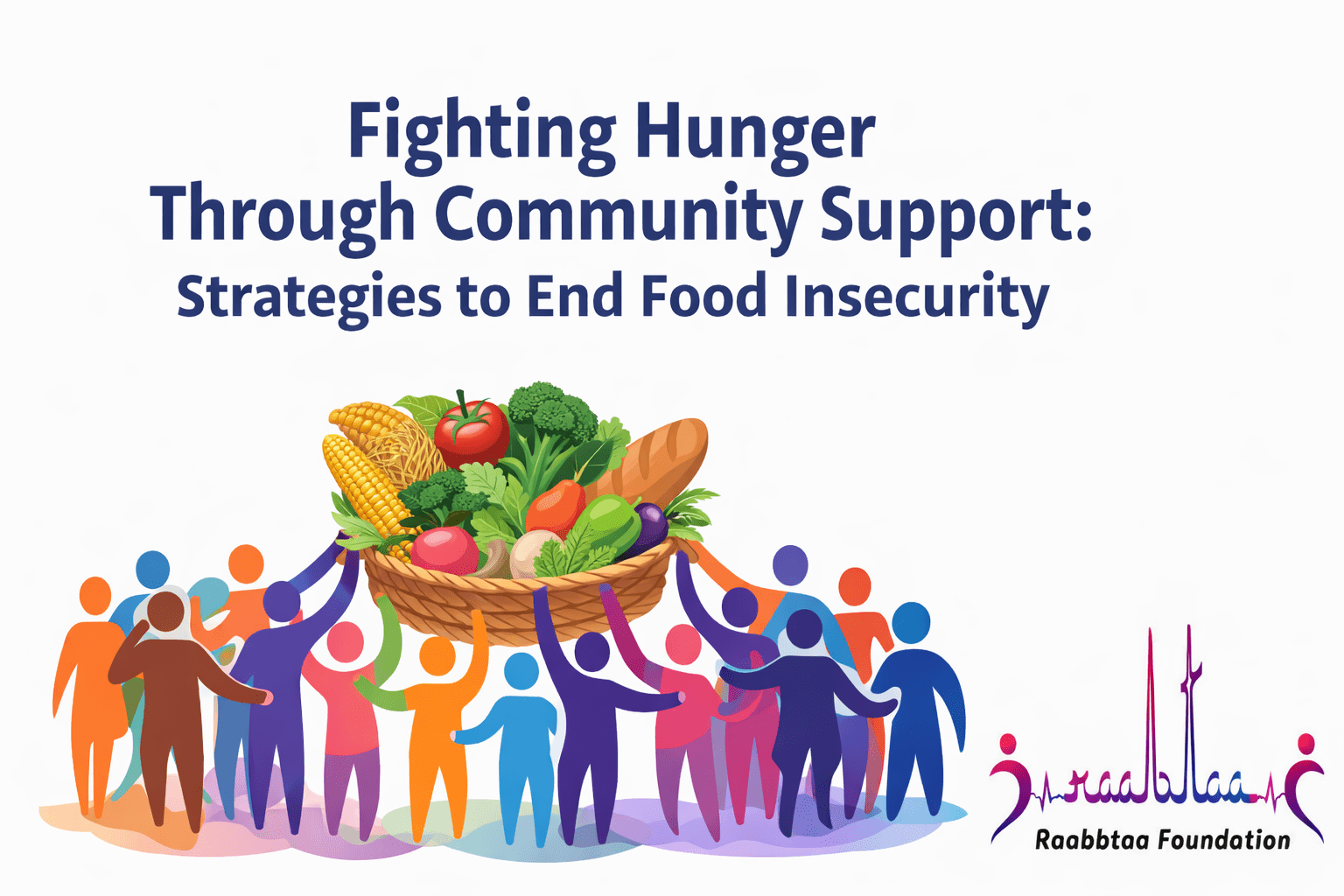
Hunger remains one of the most pressing humanitarian challenges worldwide, affecting millions of people regardless of geography, age, or socioeconomic background. While governments and global organizations play essential roles in addressing food insecurity, community-driven support systems often produce the most immediate and sustainable impact. Fighting hunger through community support not only ensures access to food but also strengthens social bonds, promotes dignity, and empowers individuals to contribute to collective well-being.
Local initiatives—from neighborhood food banks to volunteer meal programs—demonstrate that grassroots action can create measurable change. When communities unite around a shared purpose, they become powerful engines of transformation capable of reducing hunger and improving quality of life.
Understanding Hunger and Food Insecurity
What Is Food Insecurity?
Food insecurity refers to the lack of consistent access to enough nutritious food for an active, healthy life. It is not limited to extreme poverty; it can affect working families, students, elderly individuals, and people facing temporary financial hardship.
Root Causes of Hunger
Several structural and situational factors contribute to hunger, including:
Economic inequality and unemployment
Rising food prices and inflation
Natural disasters and climate change
Limited access to transportation or grocery stores
Health issues that restrict employment
Recognizing these causes is crucial because effective community solutions must address not just the symptoms but also the underlying conditions that create food insecurity.
Why Community Support Is Essential in Fighting Hunger
Community support provides localized, rapid, and culturally relevant responses to hunger. Unlike large-scale programs that may take time to implement, neighborhood-based initiatives can respond immediately to emerging needs.
Key advantages of community-driven hunger relief include:
Faster identification of families in need
Personalized assistance tailored to cultural and dietary preferences
Stronger accountability and transparency
Increased civic engagement and volunteerism
When residents actively participate in solving hunger issues, they cultivate empathy and shared responsibility, which strengthens social cohesion.
Types of Community Programs
That Combat Hunger
Food Banks and Food Pantries
Food banks collect surplus food from farms, retailers, and donors, then distribute it to local pantries and charities. Pantries serve as accessible distribution points where individuals can obtain groceries at no cost. These systems reduce food waste while ensuring resources reach those who need them most.
Community Kitchens and Meal Services
Community kitchens provide cooked meals for individuals who may lack the means or facilities to prepare food themselves. These programs often rely on volunteers and donated ingredients, making them cost-effective and scalable.
Community Gardens
Urban gardens and shared farming plots empower residents to grow their own produce. Beyond providing fresh food, they promote sustainability, environmental awareness, and nutrition education. Gardening initiatives also foster social interaction and mental well-being.
School and Youth Nutrition Programs
Children are especially vulnerable to hunger. After-school meal services, backpack food programs, and summer feeding initiatives ensure young people receive adequate nutrition even when school cafeterias are closed.
The Role of Volunteers in Hunger Relief Efforts
Volunteers are the backbone of most community food programs. Their contributions extend beyond physical labor; they also help build trust within neighborhoods. Tasks may include sorting donations, delivering meals, organizing food drives, or providing administrative support.
Benefits of volunteering include:
Increased program capacity
Lower operational costs
Enhanced community awareness
Development of leadership skills
Individuals who volunteer often report a deeper sense of purpose and connection, demonstrating that fighting hunger benefits both recipients and helpers.
Partnerships That Strengthen Community Hunger Initiatives
Effective hunger relief rarely occurs in isolation. Partnerships between local organizations, businesses, schools, and faith groups create a collaborative ecosystem capable of addressing complex challenges.
Local Businesses
Restaurants, supermarkets, and farms can donate surplus food or sponsor meal programs. Corporate involvement not only reduces waste but also reinforces social responsibility.
Nonprofit Organizations
Nonprofits provide logistical expertise, funding channels, and program management. Their experience helps ensure compliance with safety regulations and efficient distribution systems.
Government Support
Municipal agencies can supply grants, infrastructure, and policy frameworks that enable community programs to operate sustainably. Public-private partnerships often produce the most effective results.
Innovative Strategies for Fighting Hunger Locally
Communities around the world are adopting creative solutions to tackle food insecurity.
Examples of innovative approaches include:
Mobile food markets delivering groceries to underserved neighborhoods
Digital platforms connecting donors with food banks in real time
“Pay-what-you-can” cafés that allow customers to contribute based on their means
Community fridges stocked with donated food for public access
These innovations demonstrate how technology and social entrepreneurship can amplify traditional hunger relief efforts.
The Impact of Community Support on Long-Term Food Security
Short-term food assistance addresses immediate hunger, but sustained community engagement can also promote long-term stability. Programs that integrate job training, financial literacy education, and nutrition workshops help individuals move toward self-sufficiency.
When communities invest in skill development and economic opportunities, they reduce dependency on emergency aid and empower residents to build secure futures. This holistic approach transforms hunger relief from a reactive measure into a proactive strategy.
How Individuals Can Contribute to Ending Hunger
How Individuals Can Contribute to Ending Hunger
Anyone can play a role in fighting hunger through community support. Even small actions can collectively create significant impact.
Practical ways to help include:
Donating nonperishable food items or funds to local organizations
Volunteering time at food distribution centers
Organizing neighborhood food drives
Supporting businesses that contribute to hunger relief programs
Advocating for policies that address food insecurity
Consistency is more important than scale; regular contributions, even modest ones, help sustain programs year-round.
The Role of Education and Awareness
Awareness campaigns are essential for mobilizing resources and encouraging participation. Many people are unaware of the extent of hunger in their own communities. Educational initiatives—such as workshops, seminars, and social media outreach—inform the public about the realities of food insecurity and inspire action.
Schools and universities also play a vital role by integrating service learning into curricula. Students who participate in hunger relief projects gain practical experience in civic engagement while contributing to meaningful change.
Addressing Stigma Around Food Assistance
One of the most overlooked barriers to hunger relief is stigma. Individuals experiencing food insecurity may hesitate to seek help due to embarrassment or fear of judgment. Communities can counteract this by fostering inclusive, respectful environments that prioritize dignity.
Strategies to reduce stigma include:
Offering discreet distribution methods
Using inclusive language in outreach materials
Designing welcoming program spaces
Encouraging peer-to-peer support networks
When assistance is delivered with compassion and respect, more people feel comfortable accessing the resources they need.
Measuring the Success of Community Hunger Programs
Evaluating effectiveness ensures that resources are used efficiently and that programs continue to improve. Metrics commonly used to assess impact include:
Number of meals distributed
Reduction in local food insecurity rates
Volunteer participation levels
Amount of food waste diverted from landfills
Data collection and analysis help organizations refine strategies, secure funding, and demonstrate accountability to stakeholders.
Challenges Faced by Community Hunger Initiatives
Despite their effectiveness, community programs encounter several obstacles. Funding shortages, limited storage facilities, and volunteer burnout can restrict operations. Additionally, fluctuations in donation levels may create supply inconsistencies.
Addressing these challenges requires strategic planning, diversified funding sources, and strong leadership. Establishing partnerships and leveraging technology can help organizations maintain stability even during periods of high demand.
Future Trends in Community-Based Hunger Solutions
The future of hunger relief is likely to involve greater integration of technology, sustainability practices, and cross-sector collaboration. Emerging trends include data-driven distribution systems, climate-resilient agriculture projects, and expanded food recovery networks.
As awareness grows, more communities are adopting proactive strategies that focus not only on feeding people today but also on preventing hunger tomorrow. This forward-thinking mindset ensures that efforts remain adaptable to changing social and economic conditions.
Conclusion:
Fighting hunger through community support is one of the most effective and sustainable approaches to addressing food insecurity. By combining local knowledge, volunteer dedication, and collaborative partnerships, communities can deliver immediate relief while building long-term resilience.
Ending hunger is not solely the responsibility of governments or large organizations; it is a shared mission that thrives when individuals, businesses, and institutions work together. Every donation, volunteer hour, and awareness effort contributes to a broader movement toward a world where everyone has access to nutritious food.
Communities possess immense collective power. When that power is directed toward compassion and action, hunger becomes a solvable challenge rather than an inevitable reality.