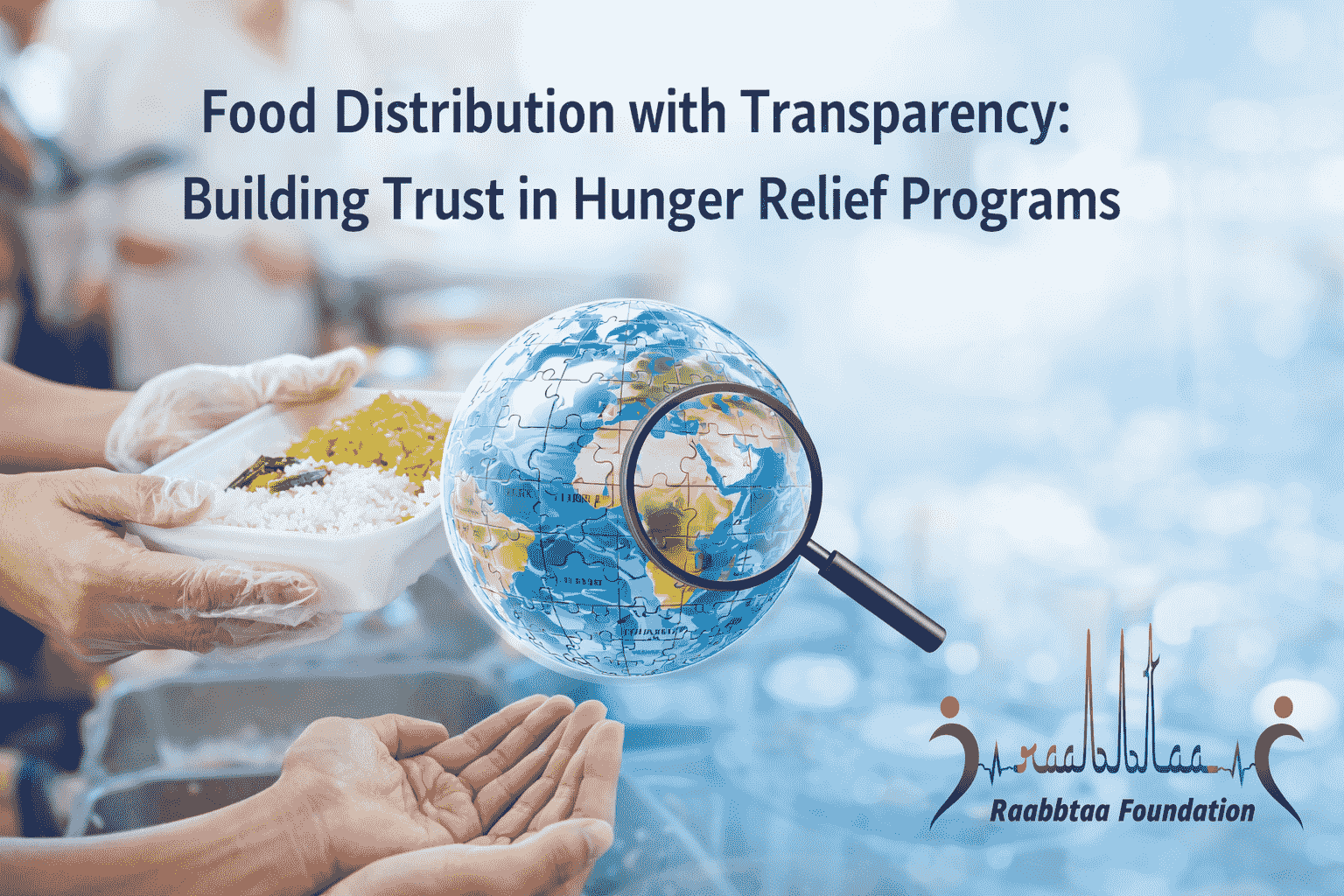
Food distribution with transparency is essential for creating trust, accountability, and real impact in hunger relief programs. Across the world, millions of people depend on food aid initiatives for survival. However, without proper transparency, food distribution programs can face challenges such as corruption, mismanagement, and unequal allocation.
Transparent food distribution ensures that food reaches the right beneficiaries at the right time. It builds confidence among donors, volunteers, and communities. In this blog, we will explore why food distribution with transparency matters, how it works, and the best strategies to implement it effectively.
Why Food Distribution with Transparency Matters
Food distribution with transparency is not just a moral obligation—it is a necessity. When organizations operate transparently, they create systems that are accountable and measurable.
1. Builds Trust Among Donors
Donors want to know how their contributions are used. Transparent food distribution programs provide clear reports, beneficiary data, and impact assessments. This builds donor confidence and encourages continued support.
2. Prevents Corruption and Misuse
Without transparency, food supplies may be diverted or misused. Accountability in food aid ensures proper monitoring, reducing fraud and leakage in the system.
3. Ensures Fair Distribution
Transparent food distribution ensures that vulnerable populations—such as children, elderly individuals, and low-income families—receive fair access to resources.
4. Strengthens Community Participation
When communities understand how food distribution systems operate, they are more likely to participate actively and provide feedback.
Key Principles of Transparent Food Distribution
To achieve food distribution with transparency, organizations must follow clear principles.
Accountability
Organizations must maintain proper documentation of procurement, storage, and distribution processes. Public reports increase accountability in food aid programs.
Traceability
Every food item should be traceable from supplier to beneficiary. Modern technology helps track supply chains effectively.
Open Communication
Clear communication with stakeholders ensures transparency. This includes publishing financial reports and distribution data.
Ethical Practices
Ethical food distribution systems avoid favoritism and ensure dignity for beneficiaries.
Challenges in Food Distribution Without Transparency
When food distribution lacks transparency, several problems arise.
Corruption and Leakage
Food supplies may be diverted before reaching intended beneficiaries.
Lack of Donor Confidence
If donors cannot see clear results, they may hesitate to contribute further.
Inefficient Resource Allocation
Without data tracking, some communities may receive excess supplies while others remain underserved.
Damaged Reputation
Food charity transparency is critical for maintaining credibility. A lack of transparency can damage an organization’s reputation.
How Technology Supports Food Distribution with Transparency
Technology plays a significant role in creating transparent food distribution systems.
Digital Tracking Systems
Using barcode systems or QR codes allows organizations to monitor food supplies at every stage.
Blockchain for Food Aid
Blockchain technology ensures tamper-proof records of transactions, increasing trust and accountability.
Real-Time Data Monitoring
Cloud-based systems allow organizations to track inventory and distribution in real time.
Online Reporting Platforms
Publishing reports on websites and social media increases food charity transparency.
Best Practices for Implementing Transparent Food Distribution
Organizations seeking food distribution with transparency should adopt proven strategies.
Conduct Needs Assessments
Before distributing food, assess community needs to ensure fair allocation.
Maintain Detailed Records
Keep clear documentation of procurement, storage, and delivery processes.
Publish Impact Reports
Share data on how many families were served and what resources were distributed.
Encourage Community Feedback
Allow beneficiaries to provide feedback through surveys or complaint mechanisms.
Partner with Reputable Suppliers
Work only with ethical suppliers to ensure quality and reliability.
Role of NGOs and Government in Transparent Food Distribution
Governments and NGOs play a vital role in promoting food distribution with transparency.
Government Initiatives
Public distribution systems should adopt digital ration cards and online beneficiary lists to prevent fraud.
NGO Accountability
Nonprofits must publish annual reports and conduct independent audits.
Public-Private Partnerships
Collaborations between government agencies and private companies can enhance efficiency and transparency.
Case Study: Transparent Hunger Relief Programs
Many successful hunger relief programs demonstrate the power of food distribution with transparency.
For example, digital ration systems in several countries have reduced duplication and ensured food reaches eligible families. NGOs that publish monthly impact reports experience higher donor retention and stronger community trust.
These examples show that accountability in food aid leads to measurable success.
Benefits of Food Distribution with Transparency
Improved Efficiency
Transparent systems reduce waste and ensure optimal use of resources.
Increased Donor Engagement
When donors see measurable impact, they are more likely to contribute consistently.
Stronger Community Trust
Communities feel valued when processes are clear and fair.
Better Monitoring and Evaluation
Data-driven approaches improve long-term planning and sustainability.
Steps to Create a Transparent Food Distribution System
If you are planning a hunger relief initiative, follow these steps:
Step 1: Define Clear Objectives
Identify target communities and set measurable goals.
Step 2: Implement Digital Tracking
Use software to monitor procurement and delivery.
Step 3: Create Transparent Reporting Systems
Publish financial statements and beneficiary data regularly.
Step 4: Conduct Regular Audits
Independent audits strengthen credibility.
Step 5: Train Staff and Volunteers
Educate teams about ethical food distribution systems and accountability standards.
Measuring Transparency in Food Aid Programs
Organizations should use measurable indicators to evaluate transparency.
* Number of beneficiaries served
* Percentage of funds allocated to food supplies
* Frequency of public reporting
* Audit results
* Community satisfaction surveys
Tracking these indicators ensures continuous improvement in food distribution with transparency.
The Future of Transparent Food Distribution
The future of food distribution with transparency lies in innovation and collaboration.
AI and Data Analytics
Artificial intelligence can predict demand patterns and reduce food shortages.
Mobile Applications
Apps allow beneficiaries to track their eligibility and distribution schedules.
Increased Public Awareness
As communities demand accountability, transparent food distribution will become standard practice.
Conclusion:
Food distribution with transparency is the foundation of effective hunger relief programs. Transparency builds trust, prevents corruption, and ensures that food reaches those who need it most.
By adopting digital tools, maintaining accountability, and encouraging community participation, organizations can create ethical food distribution systems that make a lasting impact.
Transparent food distribution is not just about delivering food—it is about delivering dignity, trust, and hope.