Every organization, community, and professional journey is shaped by real experiences. While reports and statistics provide valuable information, stories from the field bring those numbers to life. They reflect genuine emotions, challenges, and achievements that cannot be captured through data alone.
Moreover, these stories help people understand what truly happens on the ground. They highlight human connections, problem-solving skills, and the power of perseverance. As a result, they become powerful tools for learning and inspiration.
In this blog, we will explore meaningful stories from the field, examine their importance, and understand how they influence growth and innovation. Additionally, we will share real-life examples that demonstrate the impact of fieldwork across different sectors.
What Is Malnutrition?
Malnutrition refers to deficiencies, excesses, or imbalances in a person’s intake of energy and nutrients. It includes both undernutrition and overnutrition, meaning it can occur when people consume too little or too much of certain nutrients.
Undernutrition typically involves insufficient calories, protein, vitamins, or minerals. Overnutrition, on the other hand, results from excessive calorie intake, often leading to obesity and related diseases. Both forms are dangerous and require attention.
Why Malnutrition Is Called a Silent Emergency
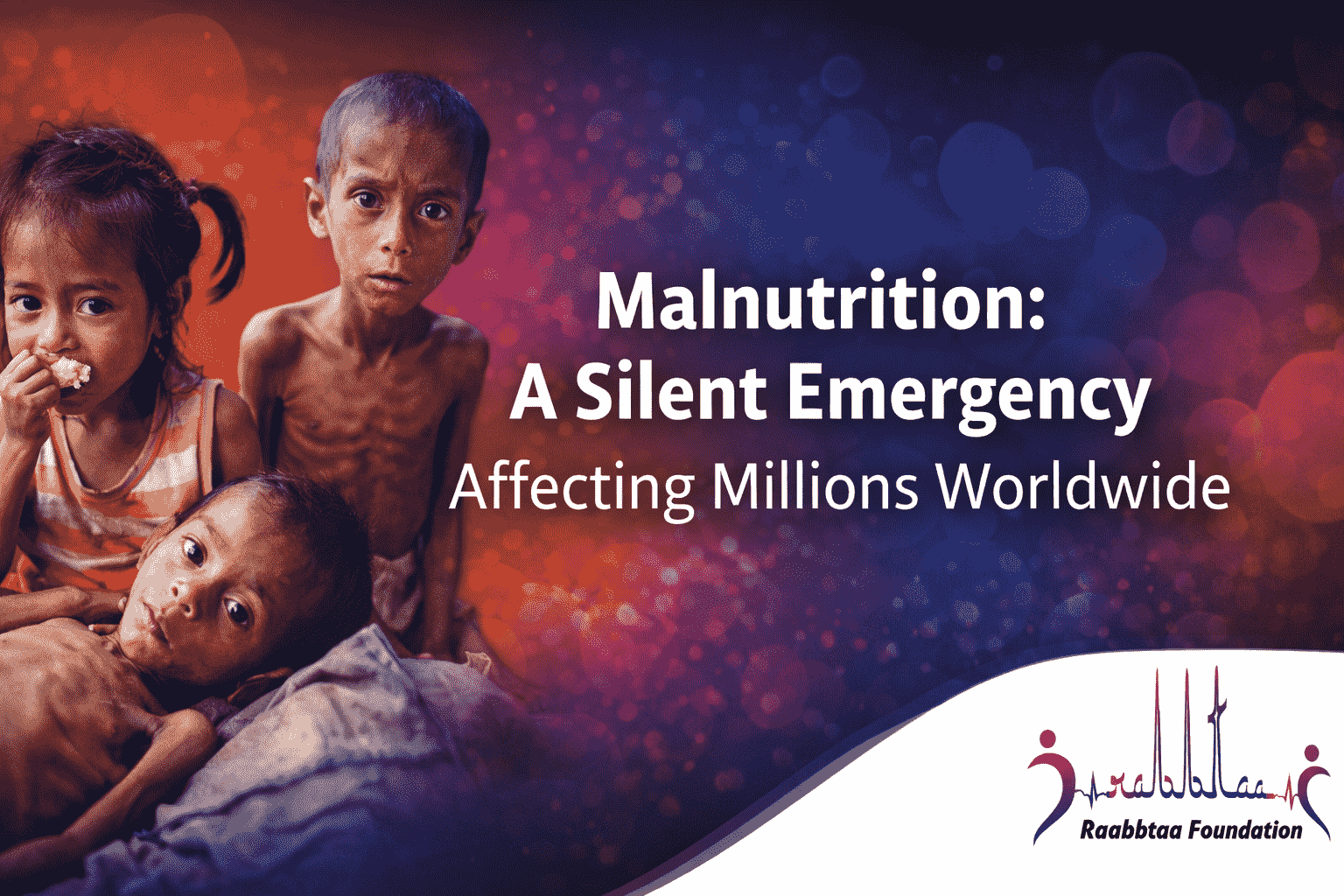
Malnutrition is often described as a silent emergency because it develops slowly and may not show obvious symptoms in early stages. Many individuals appear outwardly healthy while suffering from nutrient deficiencies that compromise their immune systems and organ function.
Hidden Nature of Nutrient Deficiencies
Micronutrient deficiencies—sometimes called “hidden hunger”—can persist for years without clear warning signs. For example, iron deficiency may cause fatigue and poor concentration, which people often attribute to stress or overwork rather than nutritional problems.
Lack of Awareness
In many communities, limited knowledge about balanced diets and proper nutrition contributes to undiagnosed malnutrition. People may not recognize symptoms until complications become severe.
Managing Emotional Stress
Working closely with vulnerable communities can be emotionally challenging. Therefore, mental resilience is essential.
Many professionals rely on peer support and self-care practices. Because emotional well-being affects performance, maintaining balance becomes a priority.
Types of Malnutrition
Malnutrition is not a single condition but a spectrum of nutritional disorders. Understanding its different forms helps identify risks and implement targeted interventions.
Undernutrition
Undernutrition includes wasting, stunting, and underweight conditions. These are most common among children in low-income regions, where access to nutritious food is limited.
Micronutrient Deficiency
Deficiencies in vitamins and minerals such as vitamin A, iodine, zinc, and iron can impair immunity, vision, growth, and cognitive development.
Overnutrition
Excessive calorie intake combined with low nutrient density leads to obesity and chronic illnesses such as diabetes, heart disease, and hypertension.
Global Statistics on Malnutrition
Malnutrition remains a major global health challenge. Millions of people worldwide suffer from undernutrition, while obesity rates continue to rise simultaneously. This coexistence of undernutrition and overnutrition is known as the “double burden of malnutrition.”
Developing countries bear the greatest share of undernutrition, but developed nations are increasingly facing issues related to poor diet quality and obesity. This demonstrates that malnutrition is not merely a problem of food quantity but also food quality.
The Economic Impact of Malnutrition
Malnutrition has significant economic consequences for individuals, communities, and nations.
Reduced productivity lowers workforce efficiency.
Increased healthcare costs strain public health systems.
Impaired cognitive development reduces educational outcomes.
Studies show that countries with high malnutrition rates may lose a substantial portion of their gross domestic product due to reduced labor capacity and healthcare expenses. Addressing malnutrition is therefore not only a health priority but also an economic necessity.
How Malnutrition Affects Immune Function
Proper nutrition is essential for maintaining a strong immune system. Nutrients such as protein, vitamins A and C, zinc, and iron play vital roles in immune defense.
When the body lacks these nutrients, immune cells cannot function effectively. As a result, malnourished individuals are more susceptible to infections and recover more slowly from illness. This creates a vicious cycle: illness worsens malnutrition, and malnutrition worsens illness.
Malnutrition in Developed Countries
Although often associated with poverty-stricken regions, malnutrition is also present in high-income nations. In these settings, it frequently occurs among:
Elderly individuals living alone
Hospitalized patients
People with chronic illnesses
Individuals with eating disorders
In developed countries, malnutrition often stems from poor diet quality rather than lack of food. Diets high in processed foods and low in fresh produce can lead to micronutrient deficiencies despite adequate calorie intake.
Role of Governments and Organizations
Governments and international organizations play a crucial role in combating malnutrition. Effective policies focus on improving food security, healthcare access, sanitation, and education.
Large-scale initiatives often include:
Expanding agricultural productivity
Supporting sustainable food systems
Providing emergency food aid
Promoting breastfeeding and maternal nutrition
Collaboration between public institutions, private sectors, and non-profit organizations is essential for long-term success.
Community-Level Solutions
Local communities are at the forefront of addressing malnutrition. Grassroots programs can identify vulnerable populations and provide targeted support.
Examples of community-based approaches include:
Nutrition workshops for parents
Community gardens
Local food banks
School feeding initiatives
These programs empower communities to take ownership of their health and create sustainable change.
The Link Between Malnutrition and Education
Education and nutrition are closely connected. Well-nourished children perform better academically because their brains receive the nutrients necessary for concentration and memory.
Conversely, malnutrition can impair cognitive function, reduce attention span, and increase absenteeism due to illness. Investing in school nutrition programs therefore improves both health outcomes and educational achievement.
Addressing the Double Burden of Malnutrition
The coexistence of undernutrition and obesity presents a complex challenge. Solutions must address both extremes simultaneously.
Effective strategies include:
Promoting nutrient-dense foods rather than calorie-dense foods
Regulating marketing of unhealthy foods to children
Encouraging physical activity
Supporting sustainable agriculture
Addressing this double burden requires integrated policies that consider food systems, healthcare, and lifestyle factors together.
Why Immediate Action Is Essential
Malnutrition is not a distant problem affecting only certain regions—it is a global emergency that demands urgent action. Without intervention, its long-term consequences will continue to affect public health, economic development, and social stability.
Timely action can prevent irreversible damage, particularly in children. Early nutritional support improves survival rates, enhances development, and reduces healthcare costs in the future.
How Individuals Can Help Fight Malnutrition
Every individual can contribute to reducing malnutrition, even through small actions.
Support organizations that provide food and nutrition assistance.
Reduce food waste to conserve resources.
Choose nutritious foods and encourage healthy eating habits in families.
Advocate for policies that promote food security and public health.
Collective action at the individual level can create meaningful progress when combined with broader systemic efforts.
Future Outlook
Advances in agricultural technology, nutrition science, and public health policy offer hope for reducing malnutrition worldwide. Innovations such as biofortified crops, improved food distribution systems, and digital health monitoring tools are already making a difference.
However, sustained commitment is necessary to ensure that these solutions reach vulnerable populations. Continued investment, research, and international cooperation will determine whether malnutrition can be effectively controlled in the coming decades.
Conclusion
Malnutrition is a silent emergency that affects millions of people regardless of age, location, or socioeconomic status. Its hidden nature makes it particularly dangerous, as symptoms may remain unnoticed until serious health problems arise. From impaired child development to reduced economic productivity, the consequences are far-reaching.
The good news is that malnutrition is preventable. Through balanced diets, education, healthcare access, and strong public policies, societies can significantly reduce its impact. Addressing malnutrition requires a shared commitment from governments, communities, and individuals alike.
By recognizing malnutrition as a global priority and taking decisive action, the world can move closer to a future where everyone has access to the nutrition they need to live healthy, productive lives.