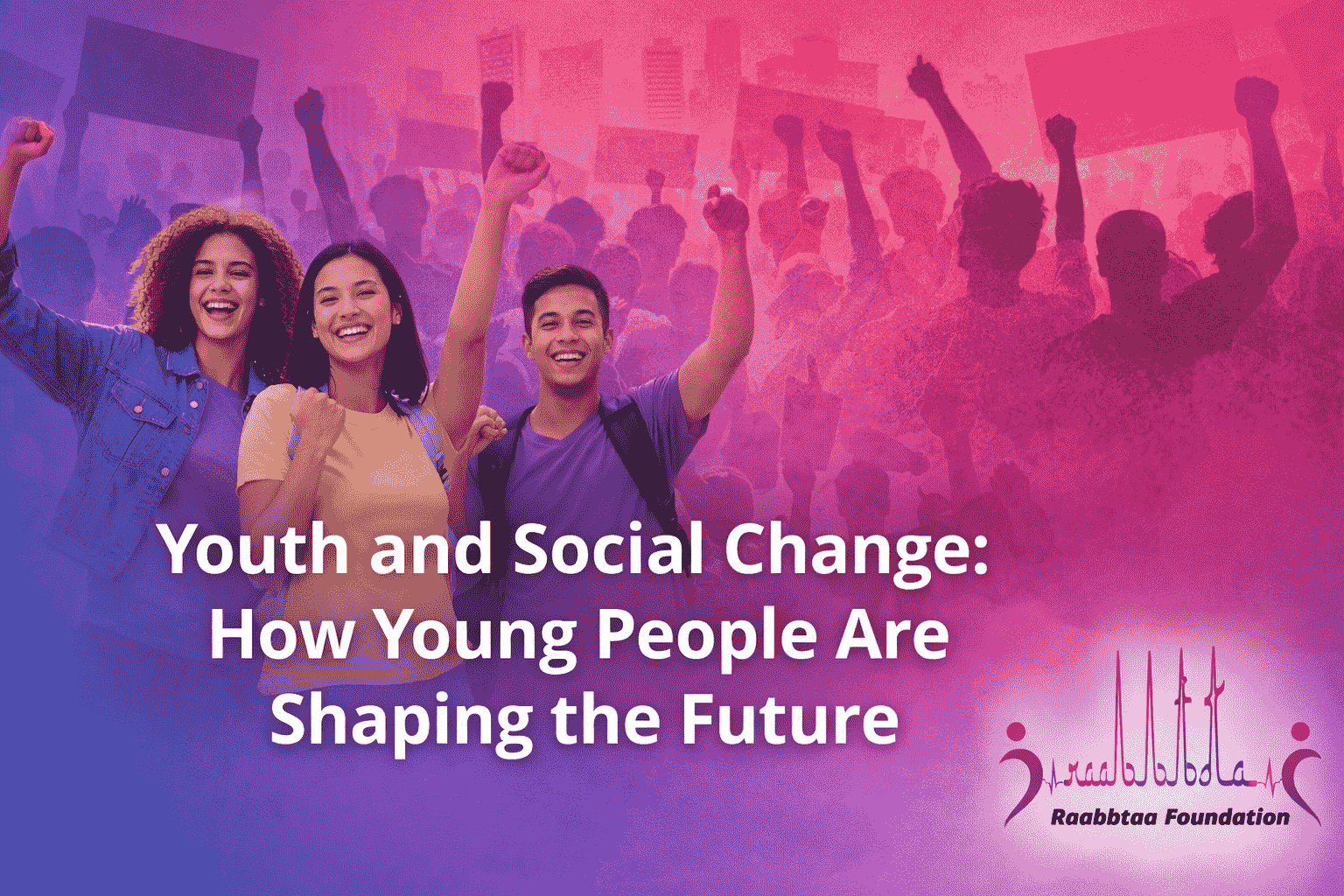
Youth and social change have always been closely connected throughout history. In every generation, young people have challenged traditions, questioned injustice, and inspired progress. Today, however, their influence is stronger than ever before.
Because of technology, education, and global awareness, youth voices now reach millions within seconds. As a result, social movements spread faster and create deeper impact. Moreover, young leaders are using creativity and courage to solve complex problems.
In this article, we will explore how youth drive social change, why their role matters, and how society can support them. Most importantly, we will understand why empowering young people is essential for a better future.
Understanding Youth and Social Change
Youth and social change refers to the active participation of young people in transforming social, political, and cultural systems. It includes fighting inequality, promoting human rights, and protecting the environment.
Traditionally, adults dominated leadership positions. However, times have changed. Today, youth are no longer passive followers. Instead, they are becoming powerful agents of transformation.
Furthermore, young people often bring fresh ideas and innovative thinking. Because they are open to learning, they adapt quickly to new situations. Consequently, they become effective problem-solvers in modern society.
Social change does not happen overnight. Nevertheless, youth movements accelerate progress through persistence and unity.
The Historical Role of Youth in Social Movements
Throughout history, youth have led major social revolutions. For example, students played key roles in civil rights movements, anti-war protests, and independence struggles.
In the 1960s, young activists fought racial discrimination in the United States. Similarly, youth movements contributed to democratic changes in many countries. Therefore, history proves that young people are capable of influencing major political decisions.
Moreover, youth participation often brings energy and enthusiasm to movements. Because of this, social campaigns gain momentum and visibility.
Even today, historical examples inspire modern youth to take action. As a result, past struggles continue to shape present activism.
Why Youth Are Powerful Agents of Change
Young people possess unique qualities that make them effective change-makers. First of all, they are highly adaptable. Since they grow up in rapidly changing environments, they easily embrace new ideas.
Secondly, youth are passionate about justice. When they see inequality, they feel motivated to act. Therefore, they often challenge unfair systems without fear.
Additionally, young people are highly connected through social media. As a result, they can organize protests, campaigns, and discussions within minutes.
Furthermore, youth are optimistic. Despite challenges, they believe in a better future. Because of this mindset, they continue working toward positive change.
The Impact of Technology on Youth Activism
Technology has revolutionized youth activism. In the past, organizing protests required physical meetings and printed materials. Today, however, digital platforms make activism faster and easier.
Social media platforms like Twitter, Instagram, and TikTok allow youth to share information instantly. Consequently, awareness spreads globally in seconds.
Moreover, online petitions, crowdfunding, and virtual campaigns help young activists raise funds and support. Therefore, social causes receive more attention and resources.
At the same time, digital tools also educate youth. Through online courses and webinars, they gain knowledge about social issues. As a result, their activism becomes more informed and effective.
Youth and Environmental Sustainability
One of the most powerful areas of youth involvement is environmental protection. Climate change has become a major concern for young generations. Therefore, many youth movements focus on sustainability.
For example, global climate strikes led by students have attracted worldwide attention. These movements pressure governments to take environmental action.
Additionally, young people promote eco-friendly lifestyles. They encourage recycling, renewable energy, and sustainable consumption. Consequently, environmental awareness increases among communities.
Moreover, youth-led organizations develop innovative green solutions. Because of their creativity, they introduce affordable and practical environmental projects.
Youth and Social Justice
Social justice is another major area where youth play a critical role. Young activists fight against racism, gender inequality, and discrimination.
For instance, youth campaigns often highlight marginalized voices. As a result, hidden injustices receive public attention.
Furthermore, young people promote inclusive education and equal opportunities. Because they value diversity, they support policies that protect minority rights.
Additionally, youth-led organizations offer legal aid, counseling, and community support. Therefore, vulnerable groups receive practical assistance.
Through continuous advocacy, young activists help build fairer societies.
Education and Youth Empowerment
Education is the foundation of youth empowerment. Without proper education, young people cannot participate effectively in social change.
Quality education develops critical thinking skills. Therefore, students learn to analyze problems and propose solutions.
Moreover, education builds confidence. When youth feel capable, they become more willing to speak up.
Additionally, leadership training and civic education prepare young people for public roles. Consequently, they become responsible citizens.
Governments and institutions must invest in education. Otherwise, society risks losing valuable talent.
Conclusion: Empowering Youth for a Better World
Youth and social change are inseparable. Throughout history and in modern times, young people have proven their ability to transform societies.
Because of their creativity, passion, and resilience, youth continue to challenge injustice and promote equality. Moreover, technology amplifies their voices and strengthens their movements.
However, young leaders cannot succeed alone. They need support from governments, families, and institutions. Therefore, investing in youth empowerment is essential.
When society values young voices, progress becomes possible. Ultimately, empowering youth means securing a brighter and more inclusive future for everyone.