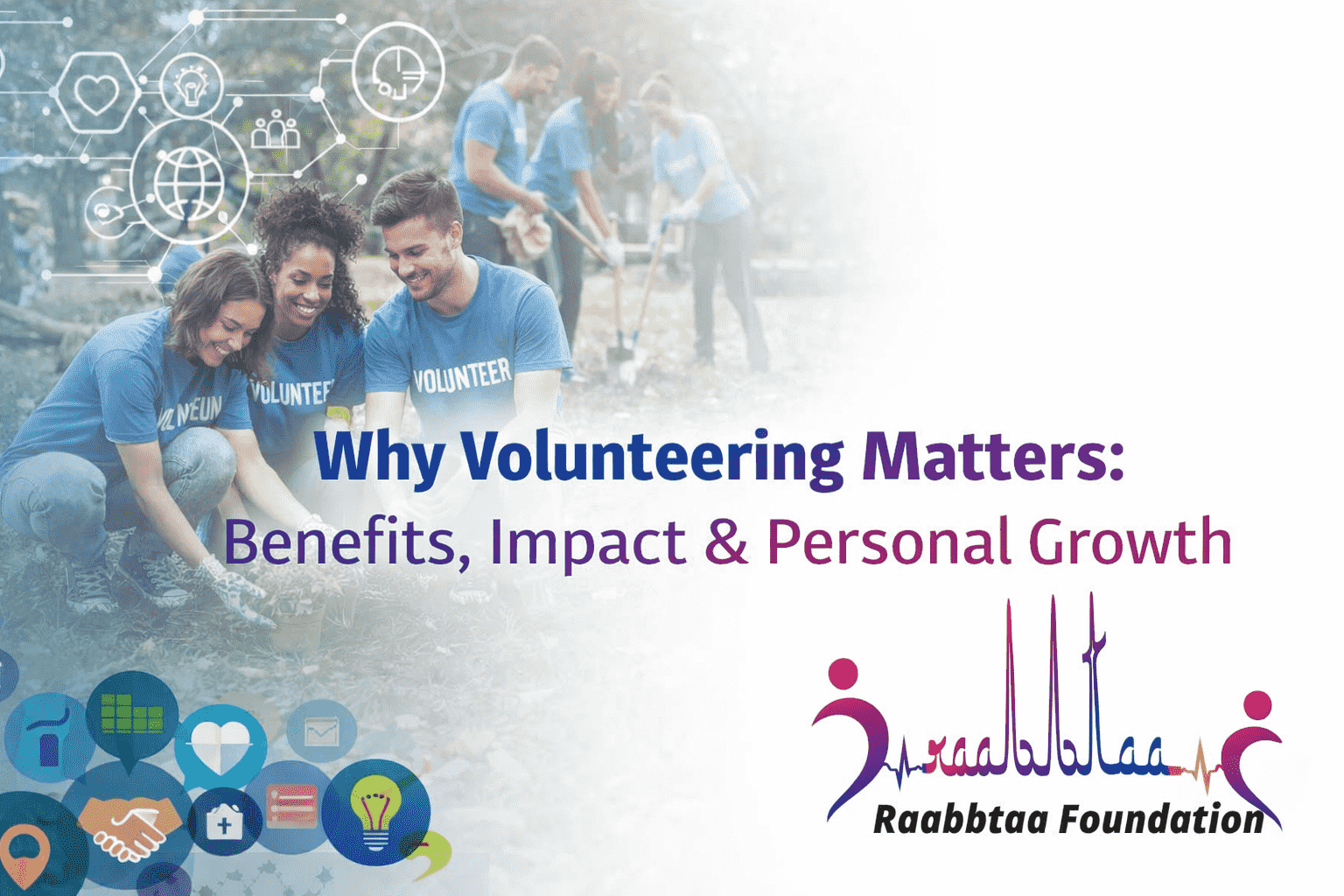
Volunteering plays a vital role in shaping societies. In fact, it connects people, strengthens communities, and creates meaningful change. However, many individuals still underestimate its true value.
So, why does volunteering matter so much?
In this article, you will discover how volunteering transforms lives, improves communities, and promotes personal growth. Moreover, you will learn why giving your time can be one of the most rewarding experiences you will ever have.
What Is Volunteering?
Volunteering means offering your time, skills, and energy to help others without expecting financial rewards. Usually, volunteers work with nonprofit organizations, schools, hospitals, shelters, and community groups.
However, volunteering is not limited to formal institutions. For example, helping a neighbor, mentoring a student, or organizing community events also counts as volunteering.
In simple terms, volunteering is about serving others willingly and selflessly.
The Importance of Volunteering in Society
Volunteering matters because it strengthens the foundation of society. Without volunteers, many essential services would struggle to survive.
Strengthening Community Bonds
First of all, volunteering brings people together. When individuals work toward common goals, trust and cooperation naturally grow.
As a result, neighborhoods become safer, friendlier, and more supportive. Moreover, people feel more connected to their surroundings.
Supporting Essential Services
Many organizations depend heavily on volunteers. For instance, food banks, disaster relief agencies, and animal shelters rely on unpaid helpers.
Without volunteers, these services would be limited. Therefore, volunteering ensures that vulnerable populations receive proper support.
Promoting Social Responsibility
Furthermore, volunteering encourages people to take responsibility for social issues. Instead of ignoring problems, volunteers actively work toward solutions.
Consequently, societies become more aware, compassionate, and proactive.
Personal Benefits of Volunteering
While volunteering helps others, it also benefits volunteers in many ways. In fact, personal growth is one of the biggest rewards of giving back.
Improving Mental Health
Studies show that volunteering reduces stress, anxiety, and depression. When you help others, your brain releases feel-good hormones.
As a result, you feel happier and more fulfilled. Additionally, volunteering gives you a sense of purpose.
Boosting Self-Confidence
When you contribute meaningfully, you start believing in yourself more. Gradually, your confidence increases.
Moreover, completing volunteer tasks successfully builds self-esteem. Therefore, you become more comfortable in social and professional settings.
Developing New Skills
Volunteering helps you learn valuable skills. For example, you may improve communication, leadership, teamwork, and problem-solving abilities.
At the same time, you gain practical experience. Consequently, your resume becomes stronger and more attractive to employers.
Creating a Sense of Fulfillment
Helping others creates deep satisfaction. Unlike material success, this fulfillment lasts longer.
Because you know you made a difference, you feel proud and motivated.
How Volunteering Benefits Communities
Communities thrive when people care for one another. Fortunately, volunteering plays a key role in making this happen.
Reducing Poverty and Inequality
Many volunteers work with underprivileged groups. They provide food, education, healthcare, and emotional support.
As a result, disadvantaged individuals get better opportunities. Over time, inequality decreases.
Improving Education
Volunteers often tutor students, support teachers, and organize learning programs. Consequently, children receive better education.
Moreover, educated communities are more likely to succeed economically and socially.
Enhancing Public Health
Healthcare volunteers assist patients, raise awareness, and promote healthy habits. Therefore, communities become healthier and more resilient.
Encouraging Civic Engagement
Volunteering inspires people to participate in social and political activities. Eventually, this leads to stronger democracy and better governance.
Why Volunteering Matters for Youth and Students
Young people especially benefit from volunteering. It helps shape their character and future.
Building Strong Values
Through volunteering, youth learn empathy, kindness, and responsibility. These values guide them throughout life.
As a result, they become ethical and caring adults.
Improving Career Opportunities
Many employers value volunteer experience. It shows dedication, teamwork, and leadership.
Therefore, students who volunteer often have better job prospects.
Expanding Social Networks
Volunteering connects young people with mentors, peers, and professionals. Consequently, they gain valuable connections.
These networks can support them in education and career development.
The Role of Volunteering in Professional Growth
Volunteering is not only for students. Professionals can also benefit greatly.
Enhancing Work Skills
Through volunteering, you practice time management, project planning, and communication. These skills improve job performance.
Moreover, you gain experience in different industries.
Exploring Career Paths
Volunteering allows you to test new fields without long-term commitment. For example, you can explore healthcare, education, or environmental work.
Thus, you make better career decisions.
Building Leadership Abilities
Many volunteer roles involve managing teams and organizing events. Therefore, you naturally develop leadership skills.
Over time, this prepares you for higher positions.
Common Myths About Volunteering
Despite its benefits, many people hesitate to volunteer. Often, myths discourage them.
“I Don’t Have Enough Time”
Many believe volunteering requires huge commitments. However, even one hour a week can make a difference.
So, small efforts still matter.
“I Don’t Have Special Skills”
You do not need professional expertise to help. Simple tasks like organizing, cleaning, or listening are valuable.
Thus, everyone can contribute.
“Volunteering Is Only for Young People”
In reality, people of all ages can volunteer. Seniors, professionals, and retirees also play important roles.
Therefore, age is never a barrier.
Conclusion: Why You Should Start Volunteering Today
So, why does volunteering matter?
It improves lives, strengthens communities, and builds better individuals. Moreover, it promotes empathy, responsibility, and cooperation.
Whether you help for one hour or one year, your contribution matters.
Now is the perfect time to start.
Find a cause you love. Take the first step. Make a difference.
Because when you volunteer, you don’t just change others’ lives—you change your own.