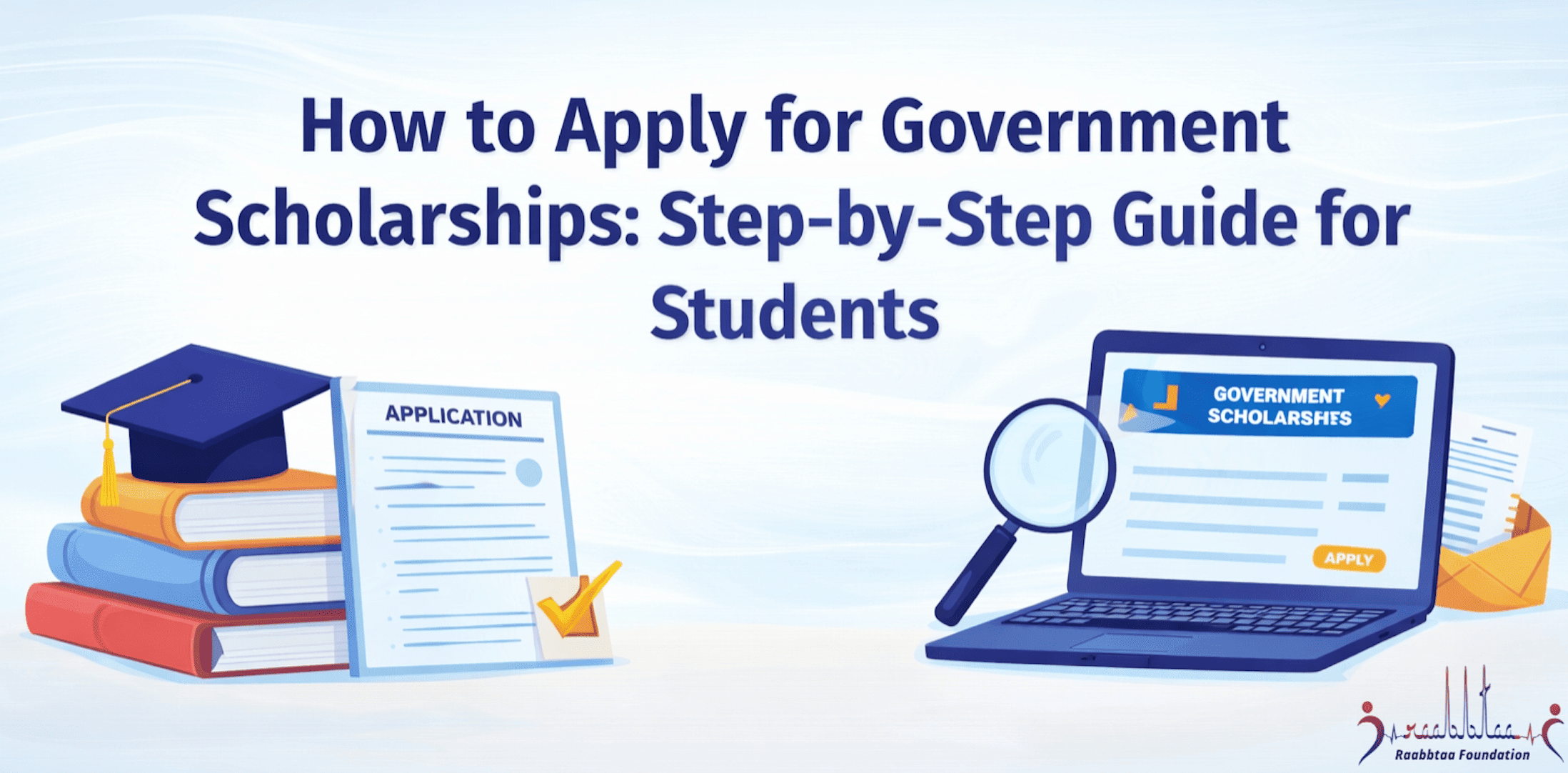
How to Apply for Government Scholarships: Step-by-Step Guide for Students
Government scholarships are among the most reliable sources of financial aid for students who want to pursue higher education without the burden of tuition debt. Whether you are applying for undergraduate, postgraduate, or research programs, understanding how to apply for government scholarships correctly can significantly increase your chances of success.
This comprehensive guide explains everything—from eligibility requirements to submission tips—so you can confidently navigate the scholarship application process.
What Are Government Scholarships?
Government scholarships are financial awards funded by national or regional governments to support students in their academic pursuits. These scholarships are typically merit-based, need-based, or category-based, such as programs for minorities, international students, or specific fields like science or engineering.
Unlike loans, scholarships do not require repayment. Many also include additional benefits such as travel allowances, living stipends, health insurance, and research grants.
Types of Government Scholarships Available
Understanding scholarship categories helps you identify which ones match your profile.
Merit-Based Scholarships
These are awarded to students with outstanding academic performance, standardized test scores, or exceptional achievements.
Need-Based Scholarships
These programs support students from economically disadvantaged backgrounds who demonstrate financial need.
Field-Specific Scholarships
Some government scholarships target students pursuing degrees in priority sectors such as healthcare, technology, education, or environmental sciences.
H3: International Scholarships
Governments often fund international students to promote cultural exchange and global collaboration.
Eligibility Criteria for Government Scholarships
Eligibility varies by program, but most government scholarships evaluate applicants using the following parameters:
Academic performance and transcripts
Citizenship or residency status
Age limits (for certain programs)
Field of study requirements
Financial background documentation
Language proficiency test scores
Always review official guidelines carefully before applying. Missing even one criterion can lead to automatic rejection.
Documents Required for Government Scholarship Applications
Preparing documents in advance ensures a smooth application process. Commonly required documents include:
Academic transcripts and certificates
Identification documents (passport or national ID)
Proof of income or financial statements
Statement of purpose (SOP)
Letters of recommendation
Resume or curriculum vitae
Entrance exam scores (if required)
Research proposal (for postgraduate programs)
Keep digital and physical copies organized. Many portals require scanned PDF versions with specific file size limits.
Step-by-Step Process to Apply for Government Scholarships
Follow this structured approach to avoid mistakes and improve your chances of selection.
Step 1 – Research Available Scholarships
Start by searching official government education portals, embassy websites, and verified scholarship databases. Make a list of scholarships that match your qualifications, interests, and career goals.
Step 2 – Check Eligibility Requirements
Before spending time on applications, confirm that you meet all eligibility conditions. Pay attention to GPA thresholds, age restrictions, and nationality requirements.
Step 3 – Note Deadlines
Government scholarships operate on strict timelines. Missing a deadline usually means waiting an entire year to reapply. Use a calendar or spreadsheet to track dates.
Step 4 – Prepare Required Documents
Collect and verify all documents. Ensure names, dates, and academic details match across records. Inconsistent information can cause disqualification.
Step 5 – Write a Strong Statement of Purpose
Your SOP should clearly explain your academic goals, career plans, and why you deserve the scholarship. Avoid generic language and tailor each statement to the specific scholarship.
Step 6 – Request Recommendation Letters
Choose referees who know your academic or professional abilities well. Provide them with enough time and relevant details so they can write strong endorsements.
Step 7 – Complete the Application Form
Fill out forms carefully and double-check every entry. Even minor typographical errors can affect credibility.
Step 8 – Submit Before Deadline
Upload documents and submit your application well in advance. Early submission prevents last-minute technical issues.
Step 9 – Prepare for Interviews
Some government scholarships include interviews. Practice answering questions about your academic interests, achievements, and future plans.
Tips to Increase Your Chances of Winning Government Scholarships
Competition for government scholarships is intense. Use these expert strategies to stand out:
Apply to multiple scholarships instead of relying on one
Highlight measurable achievements rather than vague claims
Customize each application instead of copying content
Proofread documents thoroughly
Demonstrate leadership, community service, or research experience
Follow formatting instructions exactly
Selection committees often receive thousands of applications. Attention to detail can make a significant difference.
Common Mistakes to Avoid During Scholarship Applications
Even highly qualified students can lose opportunities due to avoidable errors. Watch out for these common mistakes:
Missing deadlines
Submitting incomplete documents
Ignoring formatting guidelines
Providing inaccurate information
Writing generic essays
Using unprofessional email addresses
Avoiding these pitfalls improves both credibility and acceptance probability.
Benefits of Government Scholarships
Government scholarships provide more than financial relief. They offer long-term academic and professional advantages:
Access to top universities and institutions
International exposure and networking opportunities
Enhanced resume credibility
Reduced financial stress
Research and internship opportunities
Career advancement support
Many scholarship recipients go on to become leaders in academia, industry, and public service.
How to Track Scholarship Application Status
After submission, most scholarship programs provide tracking systems. Here is how to monitor progress effectively:
Log into the application portal regularly
Check your email for official notifications
Keep copies of confirmation receipts
Respond promptly to requests for additional documents
If results are delayed, remain patient. Government scholarship selection processes often take several months.
What to Do If Your Application Is Rejected
Rejection does not mean failure. Many successful scholars receive multiple rejections before acceptance.
Instead of giving up:
Request feedback if available
Improve weak areas in your profile
Gain additional certifications or experience
Strengthen your SOP and resume
Apply again in the next cycle
Persistence is often the deciding factor between unsuccessful and successful applicants.
Best Time to Apply for Government Scholarships
Most government scholarship deadlines fall between October and March for programs starting in the following academic year. However, timelines vary by country and program.
To stay ahead:
Begin research at least one year in advance
Prepare standardized tests early
Gather documents months before deadlines
Monitor official announcements regularly
Early preparation reduces stress and improves application quality.
Are Government Scholarships Fully Funded?
You cannot improve what you do not measure.
Tracking expenses helps identify spending patterns and areas for improvement.
You can:
Use budgeting apps
Maintain a spreadsheet
Record daily expenses manually
After one month, review your spending habits. Are you overspending on food? Subscriptions? Entertainment?
Adjust accordingly.
Financial discipline improves with awareness.
Eligibility Criteria for Government Scholarships
Eligibility varies by program, but most government scholarships evaluate applicants using the following parameters:
Academic performance and transcripts
Citizenship or residency status
Age limits (for certain programs)
Field of study requirements
Financial background documentation
Language proficiency test scores
Always review official guidelines carefully before applying. Missing even one criterion can lead to automatic rejection.
Documents Required for Government Scholarship Applications
Preparing documents in advance ensures a smooth application process. Commonly required documents include:
Academic transcripts and certificates
Identification documents (passport or national ID)
Proof of income or financial statements
Statement of purpose (SOP)
Letters of recommendation
Resume or curriculum vitae
Entrance exam scores (if required)
Research proposal (for postgraduate programs)
Keep digital and physical copies organized. Many portals require scanned PDF versions with specific file size limits.
Step-by-Step Process to Apply for Government Scholarships
Follow this structured approach to avoid mistakes and improve your chances of selection.
Step 1 – Research Available Scholarships
Start by searching official government education portals, embassy websites, and verified scholarship databases. Make a list of scholarships that match your qualifications, interests, and career goals.
Step 2 – Check Eligibility Requirements
Before spending time on applications, confirm that you meet all eligibility conditions. Pay attention to GPA thresholds, age restrictions, and nationality requirements.
Step 3 – Note Deadlines
Government scholarships operate on strict timelines. Missing a deadline usually means waiting an entire year to reapply. Use a calendar or spreadsheet to track dates.
Step 4 – Prepare Required Documents
Collect and verify all documents. Ensure names, dates, and academic details match across records. Inconsistent information can cause disqualification.
Step 5 – Write a Strong Statement of Purpose
Your SOP should clearly explain your academic goals, career plans, and why you deserve the scholarship. Avoid generic language and tailor each statement to the specific scholarship.
Step 6 – Request Recommendation Letters
Choose referees who know your academic or professional abilities well. Provide them with enough time and relevant details so they can write strong endorsements.
Step 7 – Complete the Application Form
Fill out forms carefully and double-check every entry. Even minor typographical errors can affect credibility.
Step 8 – Submit Before Deadline
Upload documents and submit your application well in advance. Early submission prevents last-minute technical issues.
Step 9 – Prepare for Interviews
Some government scholarships include interviews. Practice answering questions about your academic interests, achievements, and future plans.
Final Thoughts
Learning how to apply for government scholarships effectively can transform your educational journey. These scholarships open doors to world-class institutions, reduce financial stress, and provide opportunities that might otherwise be out of reach.
The key to success lies in preparation, organization, and attention to detail. Start early, follow instructions carefully, and present your achievements clearly. With persistence and the right strategy, securing a government scholarship is an achievable goal.