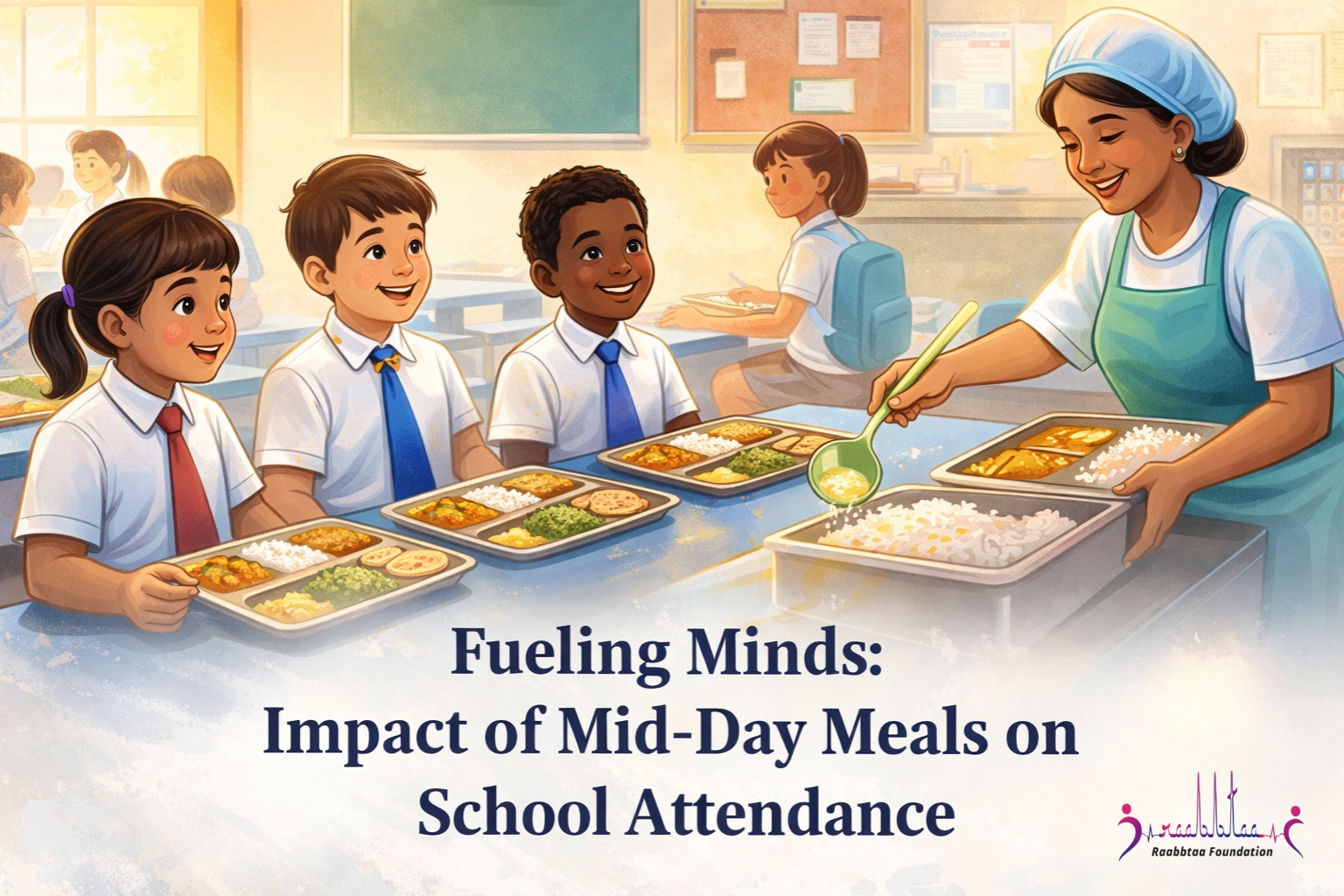
Fueling Minds: Impact of Mid-Day Meals on School Attendance
Receiving your first paycheck is exciting. It represents independence, achievement, and the beginning of your financial journey. However, without financial discipline, that first paycheck can disappear quickly.
Learning how to manage your first paycheck properly sets the foundation for lifelong financial success. Good habits formed early make wealth-building easier and financial stress less likely.
In this guide, you will learn practical, beginner-friendly strategies to budget, save, invest, and spend wisely from your very first paycheck.
Why Managing Your First Paycheck Matters
Education is widely recognized as the foundation of social and economic development. Yet, millions of children across the world struggle to attend school consistently due to hunger and poverty. The relationship between nutrition and learning is not theoretical—it is direct, measurable, and transformative.
Mid-day meals and school attendance are deeply interconnected. When children receive nutritious meals at school, attendance improves, dropout rates decline, and academic performance increases. In many regions, school meal programs are not merely supplementary benefits; they are essential incentives that keep children in classrooms.
This article explores the critical impact of mid-day meals on school attendance, the long-term benefits of school nutrition programs, and why investing in child nutrition is investing in national development.
Understanding the Concept of Mid-Day Meal Programs
Mid-day meal programs are government- or institution-sponsored initiatives that provide free or subsidized lunches to schoolchildren during academic hours. These programs aim to:
Improve nutritional status among children
Increase school attendance
Reduce dropout rates
Promote gender equality
Support academic achievement
School nutrition programs have been implemented in both developing and developed countries, although their objectives may vary slightly depending on socioeconomic conditions.
In low-income regions, the primary goal is often to combat hunger and malnutrition. In higher-income settings, the focus may include promoting balanced diets, reducing childhood obesity, and encouraging healthy eating habits.
Regardless of context, the impact of mid-day meals on school attendance remains consistent and well-documented.
The Direct Link Between Mid-Day Meals and School Attendance
One of the most significant outcomes of mid-day meal schemes is improved school attendance. Hunger is one of the biggest barriers to education. When children come from food-insecure households, attending school without the promise of a meal becomes less viable.
1. Hunger as a Barrier to Education
Children who experience food insecurity often:
Skip school to work and earn income
Stay home due to weakness or illness
Struggle to concentrate in class
Providing meals at school eliminates one major obstacle. Parents are more motivated to send children to school when they know their child will receive at least one nutritious meal per day.
2. Increased Enrollment Rates
The introduction of mid-day meals often results in immediate spikes in enrollment numbers. Families facing economic hardship view school meal programs as a form of social support.
This effect is particularly visible in rural and economically disadvantaged communities where food costs consume a significant portion of household income.
3. Reduced Dropout Rates
Dropout rates tend to decline when children consistently receive mid-day meals. Students are more likely to continue their education because school becomes both an educational and nutritional support system.
The impact of mid-day meals on school attendance extends beyond initial enrollment—it sustains long-term participation.
Nutritional Benefits That Support Learning
The relationship between nutrition and cognitive performance is well-established in developmental science.
1. Improved Cognitive Function
Balanced mid-day meals supply essential nutrients such as:
Iron
Protein
Vitamins A and B
Zinc
Calcium
These nutrients play critical roles in brain development, memory retention, and concentration. Malnutrition, on the other hand, impairs cognitive abilities and reduces learning capacity.
Children who receive proper nutrition show:
Better attention spans
Faster information processing
Improved classroom engagement
2. Higher Energy Levels
A nutritious meal stabilizes blood sugar levels, preventing fatigue and irritability. When children are energized, they participate more actively in lessons.
This directly influences school attendance, as children associate school with physical well-being rather than exhaustion.
3. Improved Health Outcomes
Regular school meals reduce the prevalence of:
Anemia
Stunting
Underweight conditions
Vitamin deficiencies
Healthier children miss fewer school days due to illness. Consequently, the impact of mid-day meals on school attendance becomes measurable in reduced absenteeism.
Socioeconomic Impact of Mid-Day Meals
Mid-day meal programs extend their benefits beyond individual students.
1. Financial Relief for Families
For low-income families, daily meals represent a significant expense. By providing food at school, governments effectively reduce household food costs.
This financial relief encourages parents to prioritize education instead of child labor.
2. Promoting Gender Equality
In many communities, boys are traditionally prioritized for education. However, when mid-day meals are introduced, families are more likely to send girls to school as well.
This improves gender parity in education and contributes to long-term social equity.
3. Local Economic Stimulation
School meal programs often source food locally. This creates demand for agricultural products, benefiting farmers and small suppliers.
Thus, mid-day meal schemes contribute to:
Local employment
Agricultural development
Community economic growth
The broader socioeconomic effects strengthen the case for expanding school nutrition programs.
Psychological and Behavioral Advantages
The impact of mid-day meals on school attendance is not solely nutritional—it is psychological.
How Much Should You Save?
1. Enhanced Motivation
Children are more motivated to attend school when it fulfills both educational and basic survival needs. School becomes a positive environment rather than a place associated with hunger.
2. Improved Classroom Behavior
Hunger often manifests as irritability, aggression, or withdrawal. Regular meals improve emotional stability, leading to better behavior and social interaction.
3. Stronger School-Community Relationships
When parents observe tangible benefits from education, trust in institutions increases. Communities become more engaged in school activities and development initiatives.
Evidence from Global School Nutrition Programs
Several countries have documented measurable improvements after implementing mid-day meal schemes.
Common outcomes include:
10–30% increases in school attendance
Reduced gender gaps in enrollment
Improved literacy and numeracy scores
Decreased child labor rates
International organizations frequently cite school nutrition programs as cost-effective educational interventions. The return on investment is significant because improved education correlates with higher lifetime earnings and reduced poverty rates.
Long-Term Educational Outcomes
The impact of mid-day meals on school attendance produces long-term benefits that extend into adulthood.
1. Higher Academic Achievement
Consistent attendance leads to improved academic performance. Students who attend school regularly are more likely to:
Complete primary education
Transition to secondary education
Pursue higher studies
2. Increased Workforce Productivity
Educated individuals contribute more effectively to national economies. Improved school attendance today translates into skilled labor forces tomorrow.
3. Intergenerational Benefits
Children who receive proper nutrition and education are more likely to:
Earn higher incomes
Provide better nutrition to their own children
Break cycles of poverty
The mid-day meal scheme and education are therefore interconnected pillars of sustainable development.
Beginner-Friendly Investment Options
If you are new to investing, consider:
Index funds
ETFs (Exchange-Traded Funds)
Retirement accounts
Employer-sponsored plans
Additionally, if your employer offers retirement matching, contribute at least enough to receive the full match. Otherwise, you are leaving free money on the table.
Time in the market is more important than timing the market.
Challenges in Implementing Mid-Day Meal Programs
Despite their benefits, school meal programs face logistical and operational challenges.
1. Funding Constraints
Sustaining large-scale programs requires consistent financial investment. Budget cuts can compromise meal quality and frequency.
2. Food Safety and Quality Control
Ensuring hygienic preparation and distribution is essential. Poor implementation can undermine public trust.
3. Infrastructure Limitations
Schools require:
Kitchen facilities
Clean water supply
Proper storage systems
Without adequate infrastructure, program efficiency decreases.
Addressing these challenges ensures that the positive impact of mid-day meals on school attendance remains sustainable.
Policy Recommendations for Strengthening School Nutrition Programs
To maximize impact, policymakers should consider:
Ensuring consistent funding mechanisms
Implementing transparent monitoring systems
Incorporating balanced and region-specific menus
Engaging local communities in oversight
Integrating nutrition education into curricula
Strategic improvements enhance both educational and health outcomes.
Why Mid-Day Meals Are an Investment, Not an Expense
School meal programs should not be viewed as welfare expenditures. Instead, they represent strategic investments in:
Human capital
Public health
Economic growth
Social stability
Every dollar invested in child nutrition yields multiple dollars in long-term economic return. Improved school attendance reduces the societal costs of unemployment, crime, and chronic illness.
Conclusion: Fueling Minds for a Brighter Future
The evidence is clear: mid-day meals and school attendance are inseparably linked. When children receive nutritious meals at school, they attend more regularly, perform better academically, and experience improved health.
Beyond individual outcomes, school nutrition programs strengthen families, stimulate local economies, and support national development goals.
Investing in mid-day meal schemes is not merely about feeding children—it is about fueling minds, empowering communities, and building sustainable futures.
As policymakers, educators, and communities collaborate to expand access to quality education, prioritizing school nutrition programs must remain central to the strategy.
Education begins with nourishment. And when we feed children, we feed potential.
Final Thoughts: Start Strong, Stay Consistent
Managing your first paycheck is a milestone. However, it is also a responsibility.
Financial discipline does not require perfection. Instead, it requires consistency.
By budgeting wisely, saving automatically, investing early, and controlling spending, you lay the groundwork for financial freedom.
The habits you build today will determine your financial future tomorrow.
So take control now.
Manage your first paycheck with intention, and you will thank yourself for years to come.