Fighting Fair: Healthy Conflict Resolution Strategies for Newlyweds
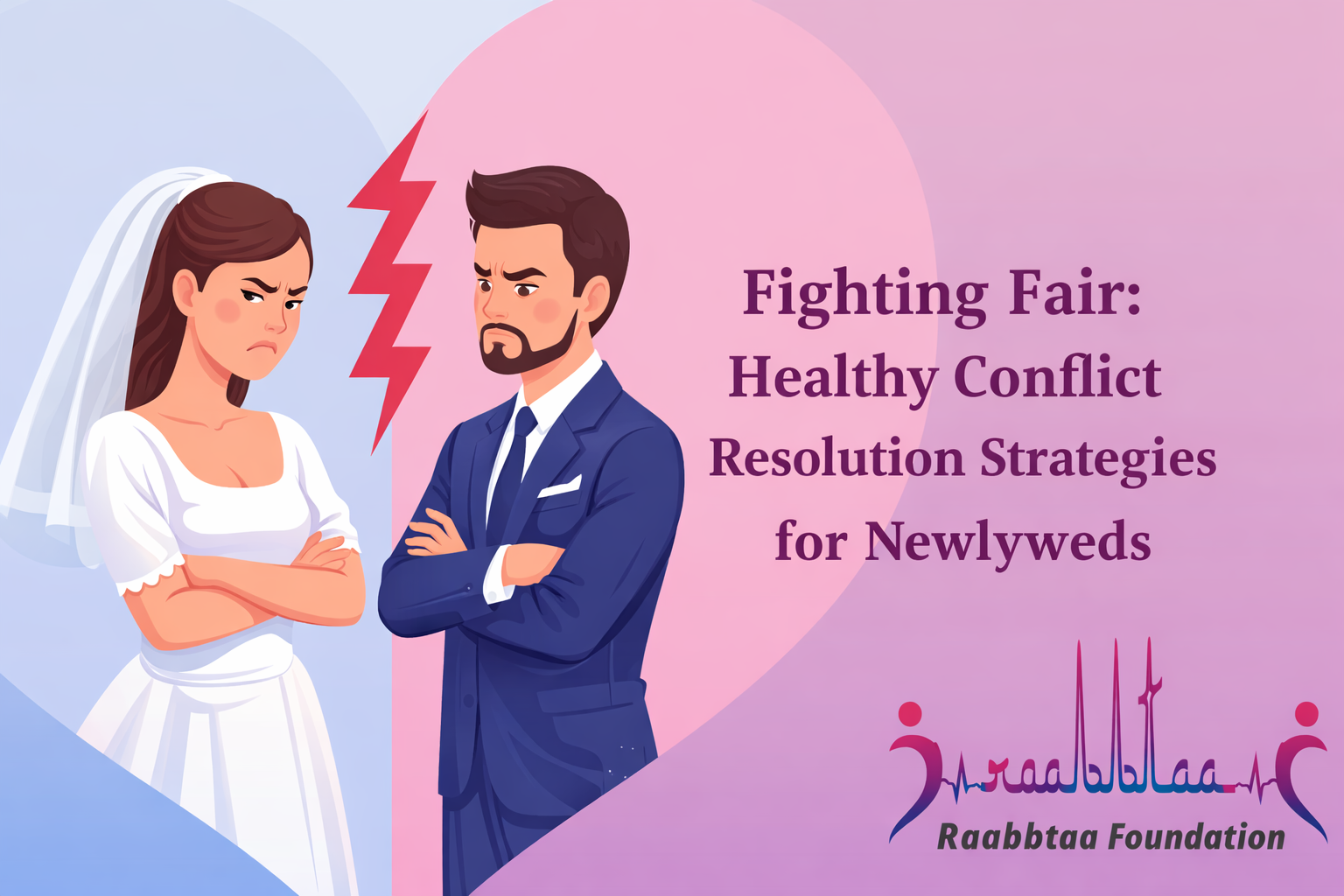
Marriage is exciting, transformative, and deeply rewarding. However, even the happiest couples experience disagreements. For newlyweds, conflict can feel unsettling because it challenges the expectation of constant harmony. The truth is that conflict is not the problem—poor conflict management is. Learning healthy conflict resolution strategies for newlyweds helps couples grow closer, build trust, and create a strong foundation for lifelong partnership.
This guide explains why disagreements happen, how to handle them constructively, and what practical steps newly married couples can take to argue respectfully and productively.
Why Conflict Is Normal in Early Marriage
Newlyweds often discover differences they didn’t fully notice during dating or engagement. Living together reveals habits, preferences, and expectations that may clash. These differences commonly involve finances, household roles, communication styles, family boundaries, and intimacy needs.
Conflict is not a sign of incompatibility. Instead, it is evidence that two individuals with unique perspectives are learning to share a life. In fact, psychologists note that couples who address disagreements openly tend to build stronger emotional bonds than those who avoid conflict.
Understanding this early prevents panic when disagreements arise. Rather than fearing arguments, couples should view them as opportunities to deepen understanding and strengthen their partnership.
The Importance of Healthy Conflict Resolution
Healthy conflict resolution means addressing disagreements respectfully, calmly, and constructively. It focuses on solutions rather than blame. For newlyweds, developing this skill early is crucial because communication patterns formed in the first years of marriage often persist long term.
> Benefits of healthy conflict resolution strategies for newlyweds include:
Stronger emotional intimacy
Greater trust and safety
Reduced resentment
Improved problem-solving skills
Long-term marital satisfaction
Couples who learn to fight fair avoid destructive habits such as shouting, withdrawing, or personal attacks. Instead, they build a communication style based on respect, empathy, and collaboration.
Common Causes of Conflict for Newlyweds
Financial Expectations
Money is one of the most frequent sources of tension. Differences in spending habits, saving goals, or debt tolerance can lead to stress. Discussing financial priorities early prevents misunderstandings.
Household Responsibilities
Many couples assume chores will “just work out.” When expectations are unspoken, frustration builds. Clear agreements about responsibilities reduce friction.
Family and In-Law Boundaries
Marriage creates new family dynamics. Negotiating holidays, visits, and boundaries with relatives requires cooperation and mutual respect.
Communication Styles
One partner may prefer direct discussion while the other needs time to process emotions. Without awareness, these differences can cause misinterpretation.
Recognizing these common triggers helps couples anticipate disagreements and approach them proactively.
Signs of Unhealthy Conflict Patterns
Before learning positive techniques, it helps to identify warning signs of destructive conflict habits. Newlyweds should watch for these patterns:
Interrupting or talking over each other
Bringing up past mistakes repeatedly
Using insults or sarcasm
Avoiding discussion altogether
Trying to “win” instead of solve
These behaviors escalate tension and damage emotional safety. Fortunately, they can be replaced with healthier alternatives through intentional practice.
Core Principles of Fighting Fair
1. Focus on the Issue, Not the Person
Criticizing character rather than behavior creates defensiveness. Instead of saying, “You’re careless with money,” try, “I feel anxious when our budget isn’t followed.” This shift keeps the conversation constructive.
2. Use Calm, Clear Language
Tone matters as much as words. Speaking calmly encourages cooperation, while raised voices trigger defensiveness. Taking a few breaths before responding can prevent escalation.
3. Listen to Understand
Many couples listen only to reply. Active listening means paying full attention, reflecting back what you heard, and confirming understanding. This approach reduces misunderstandings and builds empathy.
4. Stay Present
Avoid bringing up unrelated past issues. Staying focused on the current topic keeps discussions productive and prevents overwhelm.
5. Seek Solutions Together
Healthy conflict resolution strategies for newlyweds emphasize teamwork. The goal is not victory but mutual satisfaction. Viewing disagreements as shared problems promotes collaboration.
Step-by-Step Conflict Resolution Process
Newlyweds benefit from having a structured method for handling disagreements. The following process provides a practical framework.
Step 1: Pause Before Reacting
Emotions can run high during conflict. A short pause allows both partners to calm down and approach the discussion rationally rather than impulsively.
Step 2: State Feelings Clearly
Use “I” statements instead of accusations. For example:
“I felt hurt when the plans changed suddenly” is more constructive than “You never consider me.”
Step 3: Validate Each Other
Validation does not mean agreement. It means acknowledging your partner’s feelings as real and understandable. Simple phrases like “I see why that upset you” build connection.
Step 4: Identify the Root Issue
Arguments often mask deeper concerns. A disagreement about dishes may actually reflect feelings about fairness or appreciation. Clarifying the true issue leads to real solutions.
Step 5: Brainstorm Solutions Together
List possible compromises. Evaluate each option collaboratively. Choose a solution that respects both partners’ needs.
Step 6: Agree on Action Steps
Decide who will do what and when. Clear agreements prevent future confusion.
Step 7: Reconnect Emotionally
After resolving the issue, take time to reconnect. A hug, kind words, or shared activity reinforces emotional safety.
Communication Techniques That Strengthen Marriage
Active Listening
Active listening involves full attention, eye contact, and reflective responses. It signals respect and helps partners feel heard.
Mirroring
Repeat what your partner said in your own words. This ensures accurate understanding and prevents assumptions.
Emotional Labeling
Naming emotions reduces intensity. Saying “I’m feeling overwhelmed” helps both partners recognize what is happening internally.
Gentle Start-Ups
Begin discussions calmly instead of launching into criticism. Research shows conversations that start gently are far more likely to end positively.
How to Handle Heated Arguments
Even with preparation, some disagreements become intense. When emotions escalate, couples should prioritize de-escalation rather than continuing the debate.
Strategies for cooling down include:
Taking a short break
Drinking water
Stepping outside for fresh air
Agreeing to revisit the discussion later
Breaks should be intentional, not avoidance. Set a specific time to resume the conversation so both partners feel secure.
The Role of Empathy in Conflict Resolution
Empathy is the ability to understand and share another person’s feelings. In marriage, empathy transforms conflict from confrontation into connection.
When partners empathize, they stop viewing each other as opponents. Instead, they recognize that both individuals are navigating emotions, stress, and personal histories. This shift reduces hostility and increases compassion.
Practicing empathy involves curiosity. Ask questions such as:
“What made this situation upsetting for you?”
“What would help you feel supported right now?”
These questions demonstrate care and openness, which strengthens trust.
Setting Ground Rules for Fair Fighting
Establishing clear rules before conflicts arise prevents destructive patterns. Newlyweds can agree on guidelines such as:
No name-calling or insults
No threats or ultimatums
No silent treatment
One person speaks at a time
Take breaks if emotions become overwhelming
Posting these rules somewhere visible can serve as a reminder during tense moments.
When to Seek Outside Support
Some conflicts require professional guidance. Seeking help is not a sign of failure; it is a sign of commitment to the relationship. Couples counseling can provide tools, perspective, and neutral mediation.
Consider professional support if:
Arguments frequently escalate
Issues remain unresolved for long periods
Communication feels impossible
Resentment continues to grow
Early intervention often prevents long-term damage and strengthens the marriage.
Building a Conflict-Resilient Marriage
Healthy conflict resolution strategies for newlyweds are most effective when supported by a strong relationship foundation. Daily habits that strengthen connection make disagreements easier to handle.
Prioritize Appreciation
Schedule Check-Ins
Weekly relationship check-ins allow couples to discuss concerns before they become major problems.
Maintain Individual Well-Being
Personal stress often spills into marital disagreements. Taking care of mental and physical health supports better communication.
Protect Quality Time
Shared positive experiences balance difficult conversations. Date nights, hobbies, and shared goals reinforce partnership.
Conclusion
Marriage is not defined by the absence of conflict but by how couples navigate it. Learning healthy conflict resolution strategies for newlyweds equips partners with tools to communicate effectively, resolve disagreements respectfully, and grow together.
By focusing on empathy, active listening, and collaborative problem-solving, newly married couples can transform arguments into opportunities for connection. Over time, these skills create a resilient partnership built on trust, understanding, and mutual respect.
Fighting fair is not about avoiding disagreements. It is about choosing love, patience, and teamwork—even in the middle of conflict.