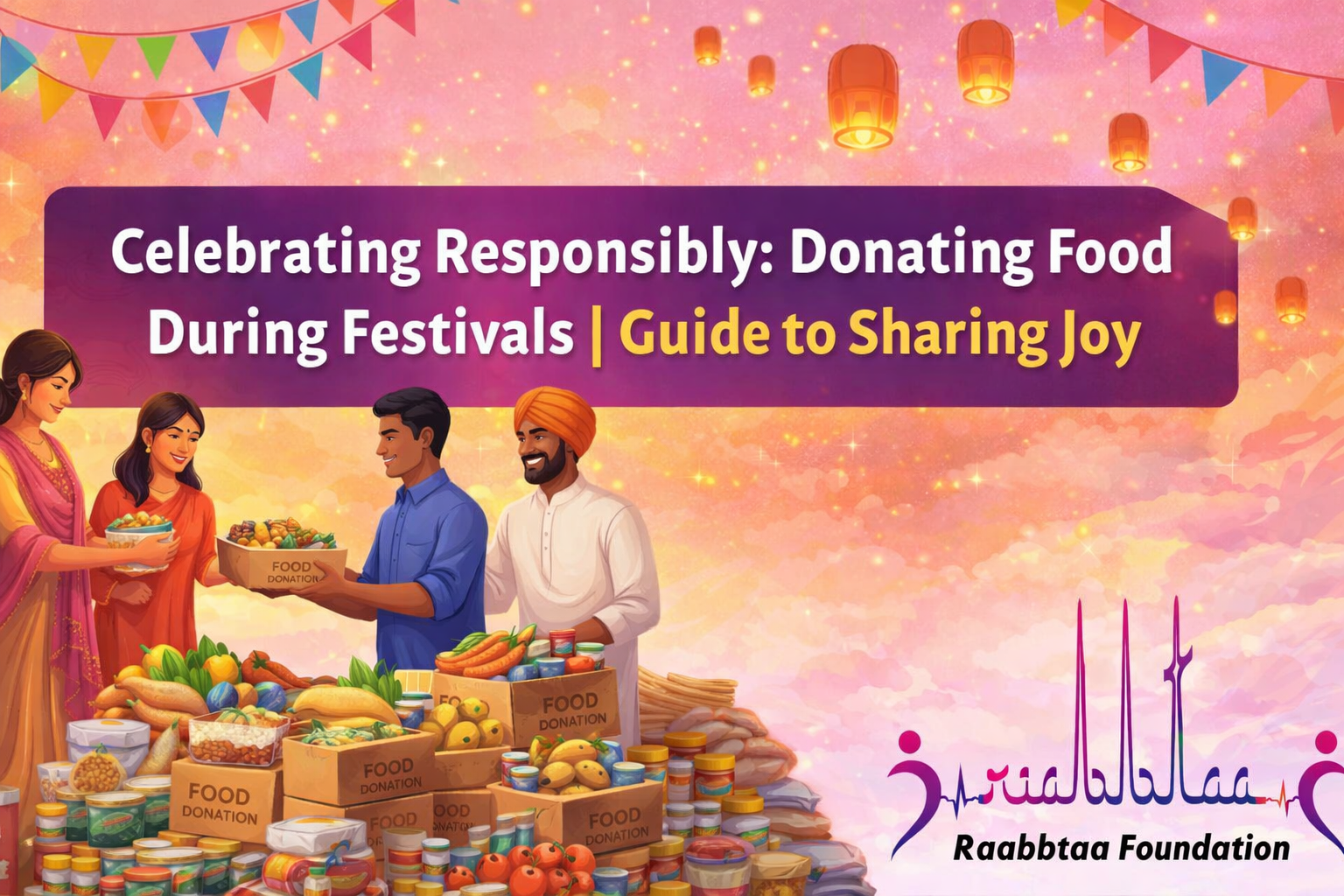
Celebrating Responsibly: The Joy of Donating Food During Festivals
Festivals are synonymous with joy, abundance, and togetherness. Across cultures, celebrations often revolve around elaborate meals, sweets, and shared feasts. However, while many households experience abundance during these occasions, millions of people still struggle with food insecurity. This contrast highlights why donating food during festivals is not only a generous act but also a responsible and socially impactful tradition.
In recent years, the concept of mindful celebration has gained momentum. People are becoming more conscious of food waste, sustainability, and social responsibility. As a result, donating surplus food during festive seasons is emerging as a powerful way to spread happiness beyond one’s immediate circle. This guide explores why this practice matters, how to do it effectively, and how it transforms celebrations into meaningful acts of compassion.
Why Donating Food During Festivals Matters
Festivals typically lead to increased food preparation. Families cook more dishes than usual, caterers prepare large quantities, and events often generate leftovers. Unfortunately, a significant portion of this food ends up discarded. Donating food during festivals addresses two major issues simultaneously: food waste and hunger.
First, it reduces waste. When excess food is shared with those in need, fewer resources are wasted. Second, it supports vulnerable communities. For individuals facing financial hardship, a nutritious festive meal can provide both physical nourishment and emotional comfort.
Moreover, this practice strengthens social bonds. It reminds communities that celebrations are not just about personal enjoyment but also about collective well-being. Therefore, donating food during festivals transforms a private celebration into a shared experience of kindness.
Supporting Food-Insecure Communities
Many families rely on community kitchens, shelters, or food banks for daily meals. During festivals, donations often decrease because people focus on personal celebrations. By consciously donating food during festivals, individuals can fill this gap and ensure that everyone has access to festive meals.
Promoting Equality and Inclusion
Festivals are meant to unite people regardless of socioeconomic status. When surplus food is shared, it sends a message of inclusion and empathy. This simple act reinforces the idea that celebrations belong to everyone, not just those with resources.
2. Food Processing and Packaging
After production, food often goes through processing. For example, grains are milled, meat is cleaned, and vegetables are washed.
Next, products are packaged to protect them from contamination. Moreover, packaging extends shelf life and improves transportation safety. As a result, consumers receive fresh and safe products.
Inspiring Community Participation
Acts of generosity often inspire others. When one family donates food, neighbors, friends, and colleagues may follow. Over time, this creates a ripple effect that strengthens community spirit and collective responsibility.
Environmental Benefits of Donating Food During Festivals
Donating food during festivals helps mitigate these environmental impacts. Instead of discarding surplus meals, sharing them ensures that resources are used efficiently. Consequently, responsible celebration becomes an eco-friendly practice.
Furthermore, conscious planning for donation encourages people to cook mindfully. When individuals know they intend to share extra food, they often prepare dishes that can be safely stored and transported. This habit promotes sustainability beyond the festive season.
Emotional Rewards of Sharing Food
Generosity has psychological benefits. Studies consistently show that giving to others increases happiness, reduces stress, and enhances overall well-being. Donating food during festivals amplifies these effects because it aligns with the spirit of celebration.
When families involve children in donation activities, it also teaches empathy and gratitude. Young participants learn that festivals are not only about receiving gifts but also about giving. This lesson shapes compassionate values that last a lifetime.
Moreover, recipients experience emotional uplift as well. Receiving food during a festival can
The Role of Technology in Food Distribution
Modern food distribution relies heavily on technology. Without digital tools, managing large volumes would be nearly impossible.
Inventory Management Systems
Inventory software tracks product quantities in real time. Therefore, businesses know exactly when to reorder.
As a result, overstocking and understocking are reduced. Moreover, waste is minimized.
Cold Chain Technology
The cold chain refers to temperature-controlled logistics. It ensures that perishable food remains fresh.
Refrigerated trucks, smart sensors, and monitoring software play key roles. Consequently, food safety is greatly improved.
The Social Impact of Food Donation
First, it reduces waste. When excess food is shared with those in need, fewer resources are wasted. Second, it supports vulnerable communities. For individuals facing financial hardship, a nutritious festive meal can provide both physical nourishment and emotional comfort.
Supporting Food-Insecure Communities
Festivals typically lead to increased food preparation. Families cook more dishes than usual, caterers prepare large quantities, and events often generate leftovers. Unfortunately, a significant portion of this food ends up discarded. Donating food during festivals addresses two major issues simultaneously: food waste and hunger.
Food Safety and Quality Control Measures
Food safety is a top priority in distribution. Without proper controls, contamination could occur.
Hygiene Standards
Workers follow strict hygiene rules. For example, they wear gloves, masks, and protective clothing.
Moreover, facilities are regularly cleaned and inspected. This prevents the spread of bacteria.
Regulatory Compliance
Government agencies set food safety standards. Distributors must follow these regulations.
Therefore, regular audits and certifications are required. Consequently, consumers can trust food quality.
Traceability Systems
Traceability allows companies to track products from origin to sale. If a problem occurs, affected items can be recalled quickly.
As a result, health risks are minimized.
Challenges in Food Distribution
Although food distribution is highly organized, it still faces many challenges.
Supply Chain Disruptions
Natural disasters, pandemics, and political conflicts can interrupt supply chains. Therefore, contingency planning is essential.
For example, alternative routes and backup suppliers are often prepared.
Rising Transportation Costs
Fuel prices and labor costs continue to rise. As a result, distribution expenses increase.
Consequently, companies must find cost-effective solutions.
Food Waste
Food waste is a major concern. Improper storage or delayed delivery can lead to spoilage.
Therefore, better planning and technology are needed to reduce waste.
Environmental Impact
Transportation contributes to carbon emissions. Because of this, sustainable practices are becoming important.
Many companies now use electric vehicles and eco-friendly packaging.
The Importance of Sustainability in Food Distribution
Sustainability is now a major focus in food logistics. Companies are adopting greener practices.
Eco-Friendly Packaging
Biodegradable and recyclable packaging reduces environmental damage. Therefore, many brands are switching to sustainable materials.
Energy-Efficient Warehouses
Solar panels, LED lighting, and smart climate systems save energy. As a result, operational costs decrease.
Reducing Carbon Footprint
Optimized routes and fuel-efficient vehicles reduce emissions. Consequently, businesses become more environmentally responsible.
How Food Distribution Impacts Consumers
Behind the scenes of food distribution directly affects your daily life.
First, it ensures consistent food availability. Therefore, you can shop anytime without shortages.
Second, it maintains affordability. Efficient logistics reduce costs, which keeps prices reasonable.
Third, it guarantees safety. Strict controls protect your health.
Finally, it improves convenience. Online grocery delivery is possible because of advanced distribution systems.
Future Trends in Food Distribution
The food distribution industry continues to evolve.
Blockchain Technology
Blockchain improves transparency and traceability. Therefore, fraud and errors are reduced.
Conclusion: Emotional Rewards of Sharing Food
When families involve children in donation activities, it also teaches empathy and gratitude. Young participants learn that festivals are not only about receiving gifts but also about giving. This lesson shapes compassionate values that last a lifetime.
Moreover, recipients experience emotional uplift as well. Receiving food during a festival can