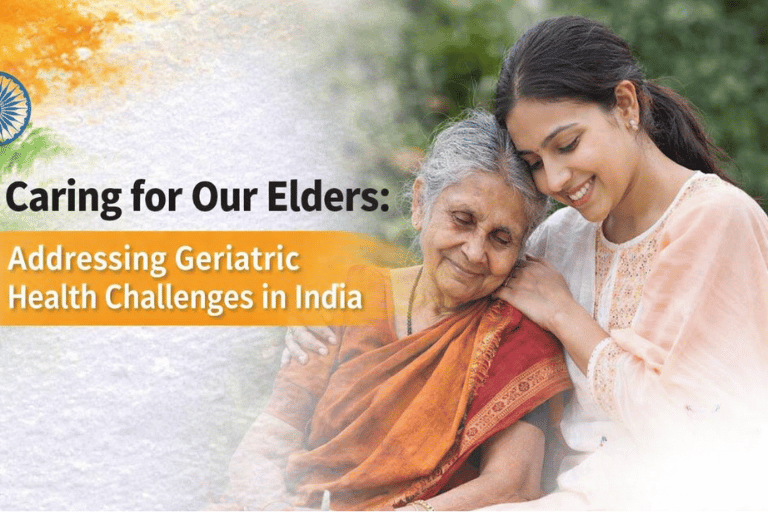
Caring for Our Elders: Addressing Geriatric Health Challenges in India
India is experiencing a significant demographic transition. With increased life expectancy and declining birth rates, the aging population in India is growing rapidly. According to projections, the number of elderly citizens will continue to rise sharply in the coming decades. While this reflects advancements in healthcare and living standards, it also highlights serious geriatric health challenges in India that require immediate attention.
Caring for our elders is not only a social responsibility but also a healthcare priority. However, many senior citizens face chronic diseases, limited access to quality healthcare, financial constraints, and social isolation. Therefore, it is crucial to understand the unique health challenges of the elderly and implement sustainable solutions.
In this article, we will explore the key geriatric health issues in India, discuss barriers to elderly healthcare, and outline practical strategies to improve the well-being of senior citizens.
Understanding the Growing Aging Population in India
India is home to one of the fastest-growing elderly populations in the world. Increased life expectancy, urbanization, and improvements in public health have contributed to longer lifespans.
Key Statistics on Aging in India
The elderly population (60+ years) is steadily increasing.
Rural areas house a significant percentage of senior citizens.
Women outnumber men in older age groups due to higher life expectancy.
As a result, healthcare systems must adapt to address the rising demand for geriatric care services. Without structured policies and adequate infrastructure, the burden on families and healthcare providers will intensify.
Major Geriatric Health Challenges in India
Senior citizens face multiple health challenges that require specialized care. Let us examine the most common issues affecting elderly healthcare in India.
1. Chronic Diseases and Non-Communicable Diseases (NCDs)
Chronic illnesses are among the most significant geriatric health challenges in India. Conditions such as:
Diabetes
Hypertension
Cardiovascular diseases
Arthritis
Chronic respiratory diseases
These diseases require long-term treatment and regular monitoring. Unfortunately, many elderly individuals lack consistent access to quality medical care, especially in rural regions.
Moreover, delayed diagnosis often worsens health outcomes.
2. Mental Health Issues Among Senior Citizens
Mental health remains an overlooked component of elderly medical care solutions. Depression, anxiety, and dementia are increasingly prevalent among older adults.
Common causes include:
Loneliness
Loss of spouse
Financial dependency
Reduced mobility
Social isolation
Furthermore, stigma around mental health prevents many seniors from seeking professional help. Consequently, untreated mental health conditions significantly reduce quality of life.
3. Cognitive Disorders and Dementia
Alzheimer’s disease and other forms of dementia are rising in India. These cognitive disorders affect memory, decision-making, and daily functioning.
Families often struggle to provide proper care because:
Specialized geriatric care services are limited.
Caregiving demands are physically and emotionally exhausting.
Awareness about early diagnosis is low.
Therefore, strengthening cognitive healthcare infrastructure is essential.
4. Mobility Issues and Falls
Mobility impairment is another serious concern in elderly healthcare in India. Conditions such as osteoporosis and arthritis increase the risk of fractures.
Falls are a leading cause of injury among senior citizens. Unfortunately:
Many homes are not elder-friendly.
Rehabilitation services are limited.
Assistive devices are often unaffordable.
Preventive measures and physiotherapy can significantly reduce risks.
5. Malnutrition and Poor Diet
Despite India’s growing economy, malnutrition among the elderly remains common. Poor dietary habits, financial constraints, and lack of awareness contribute to this issue.
Additionally, chronic diseases often require specialized nutrition plans, which are rarely accessible to low-income seniors.
Balanced nutrition is critical to improving immunity, energy levels, and overall health.
Lack of Geriatric Specialists
India faces a shortage of trained geriatricians. Most healthcare systems focus primarily on maternal and child health.
As a result:
Elderly patients receive generalized treatment.
Age-specific health concerns are often overlooked.
Preventive geriatric care is underdeveloped.
Developing dedicated geriatric departments in hospitals is crucial for addressing these challenges effectively.
Social and Economic Barriers to Elderly Healthcare in India
Beyond medical conditions, several socio-economic factors intensify geriatric health challenges in India.
Financial Dependency
Many elderly individuals rely on family members for financial support. Limited pension coverage and inadequate insurance schemes restrict access to quality treatment.
High out-of-pocket healthcare expenses discourage timely medical intervention.
Rural-Urban Disparities
Access to geriatric care services differs significantly between urban and rural areas. Urban centers may offer advanced healthcare facilities, but rural regions often lack:
Specialized hospitals
Diagnostic services
Skilled healthcare professionals
Consequently, rural elderly populations remain underserved.
Changing Family Structures
Traditional joint families once ensured comprehensive elder care. However, nuclear family systems and migration for employment have weakened this support system.
As a result, many senior citizens experience neglect or inadequate care.
Government Initiatives for Senior Citizen Health The Indian government has introduced various programs to address elderly healthcare in India.
National Programme for Health Care of the Elderly (NPHCE)
This program focuses on:
Establishing geriatric clinics
Providing specialized training
Strengthening district-level healthcare systems
However, implementation gaps remain in several states.
Health Insurance Schemes
Government-backed insurance schemes aim to reduce financial burden. Nevertheless, awareness and accessibility remain challenges.
Improving enrollment and simplifying processes could significantly enhance healthcare access for seniors.
Strategies to Address Geriatric Health Challenges in India
To effectively tackle geriatric health challenges in India, a multi-dimensional approach is necessary.
1. Strengthening Primary Healthcare Systems
Primary healthcare centers should integrate geriatric screening and preventive care.
Routine check-ups for:
Blood pressure
Blood sugar
Bone density
Vision and hearing
Early detection significantly improves treatment outcomes.
2. Expanding Geriatric Training Programs
Medical colleges must incorporate geriatric medicine into curricula. Additionally, nurses and community health workers should receive specialized training.
A skilled workforce ensures age-appropriate care.
3. Promoting Preventive Healthcare
Preventive healthcare reduces long-term costs and improves quality of life.
Encourage seniors to:
Maintain regular physical activity
Follow balanced diets
Avoid tobacco and alcohol
Engage in social activities
Preventive strategies are cost-effective and sustainable.
4. Leveraging Telemedicine and Digital Health
Telemedicine bridges healthcare gaps in rural areas. With increased smartphone penetration, digital consultations can provide timely medical advice.
Furthermore, remote monitoring tools help manage chronic diseases effectively.
5. Encouraging Community-Based Care
Community support groups and day-care centers can reduce loneliness among seniors.
Volunteer programs and local NGOs play a vital role in delivering:
Emotional support
Health education
Nutritional assistance
Community engagement enhances overall well-being.
6. Creating Elder-Friendly Infrastructure
Urban planning should prioritize elder-friendly infrastructure, including:
Safe walking paths
Accessible public transportation
Barrier-free healthcare facilities
These measures reduce fall risks and improve mobility.
Role of Families in Elderly Care
Families remain the backbone of senior citizen health support in India.
To provide effective care:
Monitor health conditions regularly.
Ensure medication adherence.
Offer emotional companionship.
Facilitate regular medical visits.
Moreover, caregivers should also seek support to avoid burnout.
Importance of Mental and Emotional Well-being
Mental health significantly influences physical health outcomes.
Encourage seniors to:
Participate in social gatherings
Join hobby clubs
Practice yoga or meditation
Stay connected digitally
Emotional engagement reduces depression and enhances longevity.
The Future of Geriatric Care in India
India stands at a critical juncture. As the aging population continues to grow, geriatric health challenges in India will become more complex.
However, with strategic policy reforms, increased investment, and community awareness, India can build a resilient elderly healthcare system.
Future priorities should include:
Universal health coverage for seniors
Expanded geriatric research
Integrated care models
Affordable long-term care facilities
Proactive planning today will ensure dignity and well-being for tomorrow’s elderly population.
Conclusion: A Collective Responsibility
Caring for our elders is both a moral obligation and a public health necessity. The rising aging population in India demands urgent reforms in elderly healthcare systems.
Addressing geriatric health challenges in India requires collaboration between:
Government bodies
Healthcare professionals
Families
Community organizations
By prioritizing preventive healthcare, strengthening infrastructure, and promoting awareness, we can significantly improve the quality of life for senior citizens.
Ultimately, a society that values and protects its elders builds a stronger and more compassionate future.