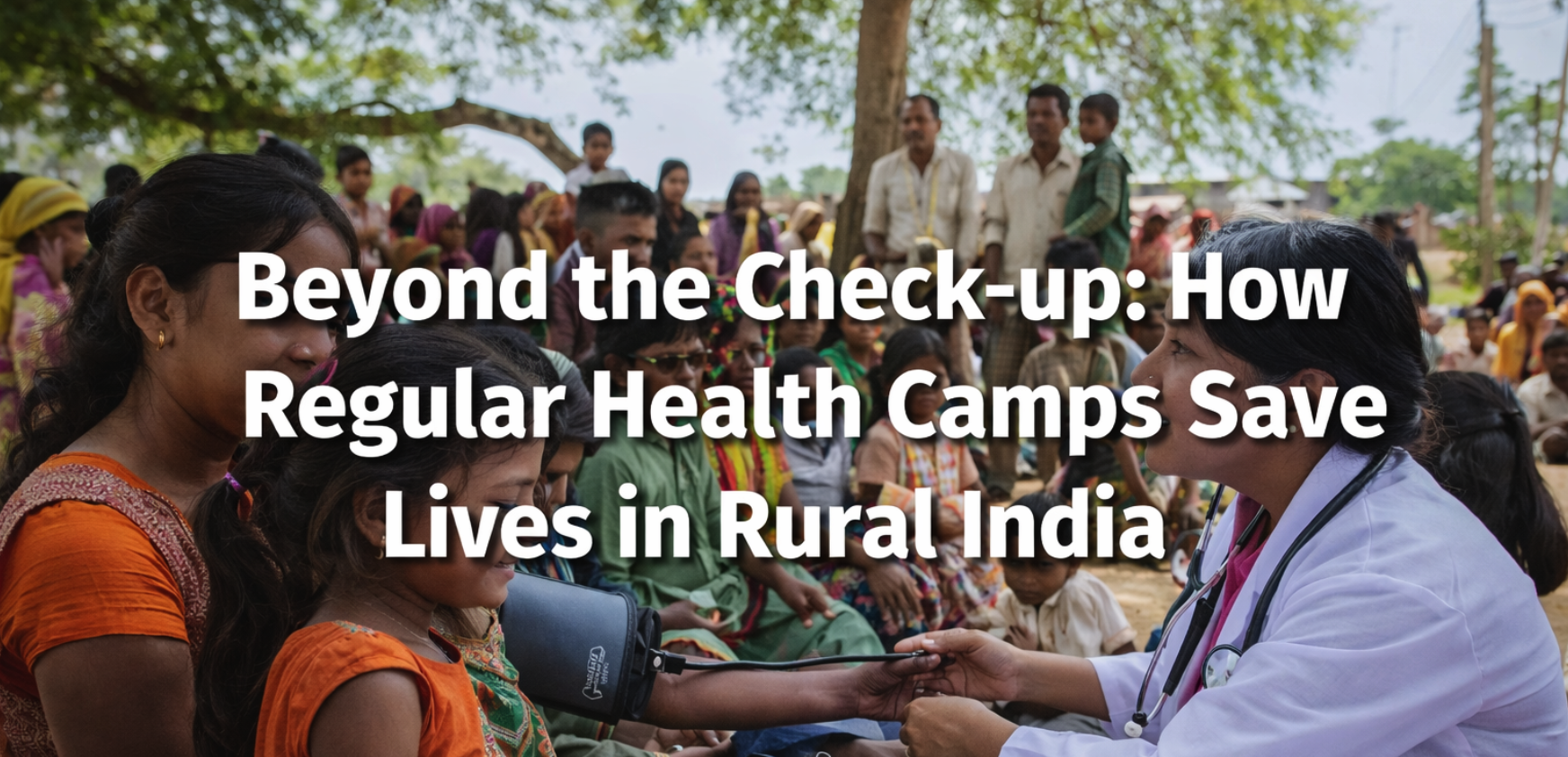
Beyond the Check-up: How Regular Health Camps Save Lives in Rural India
In India, millions of people still live far away from modern healthcare facilities. Therefore, for many rural families, visiting a hospital remains a distant dream. However, regular health camps in rural India are changing this reality step by step.
These camps do much more than provide basic check-ups. In fact, they bring life-saving services directly to underserved communities. Moreover, they spread awareness, detect diseases early, and promote preventive healthcare.
As a result, health camps are becoming powerful tools for transforming rural healthcare. In this article, we will explore how these camps go beyond routine examinations and truly save lives.
Understanding the Healthcare Gap in Rural India
Rural India is home to nearly 65% of the country’s population. Yet, healthcare infrastructure in these regions remains limited. Consequently, villagers often struggle to access doctors, medicines, and diagnostic facilities.
Key Challenges in Rural Healthcare
Firstly, there is a shortage of qualified medical professionals. Secondly, transportation to distant hospitals is expensive and time-consuming. Additionally, poverty limits people’s ability to pay for private treatment.
Furthermore, lack of awareness about diseases worsens the situation. Many people ignore symptoms until they become severe. As a result, preventable illnesses often turn fatal.
Therefore, bridging this healthcare gap is essential. This is where regular health camps in rural India play a vital role.
What Are Health Camps?
Health camps are organized medical programs that provide free or low-cost healthcare services. Usually, NGOs, government bodies, hospitals, and volunteers conduct these camps in villages.
Services Offered at Health Camps
Typically, health camps offer:
General health check-ups
Blood pressure and sugar testing
Eye and dental examinations
Maternal and child care
Vaccinations
Distribution of free medicines
Moreover, some camps also include specialist consultations. Therefore, villagers can access expert care without traveling long distances.
Why Regular Health Camps Matter More Than Occasional Visits
Occasional health camps are helpful. However, regular health camps create long-term impact. They build trust, ensure continuity of care, and promote healthier lifestyles.
Building Consistent Healthcare Access
When camps are held regularly, villagers begin to rely on them. Consequently, they seek medical advice earlier. Moreover, doctors can track patients’ health over time.
As a result, chronic diseases like diabetes and hypertension are better managed.
Strengthening Community Relationships
Regular visits also help healthcare providers understand local challenges. Therefore, treatment plans become more effective. Additionally, villagers feel more comfortable sharing health concerns.
Thus, consistent engagement improves overall healthcare outcomes.
Early Detection: The Biggest Life-Saving Benefit
One of the greatest advantages of regular health camps is early diagnosis. Detecting diseases at an early stage can prevent serious complications.
Identifying Silent Killers
Many life-threatening diseases show mild symptoms initially. For example:
- High blood pressure
- Diabetes
- Tuberculosis
- Heart disease
- Cancer
Without screening, these conditions remain unnoticed. However, health camps provide timely testing. Therefore, patients receive treatment before it is too late.
Reducing Mortality Rates
Because of early detection, treatment becomes simpler and more affordable. Moreover, recovery chances increase significantly. As a result, mortality rates in rural areas gradually decline.
Hence, preventive screening saves countless lives.
Promoting Preventive Healthcare and Awareness
Healthcare is not only about curing diseases. It is also about preventing them. Regular health camps focus strongly on health education.
Spreading Health Awareness
Doctors and volunteers educate villagers about:
- Personal hygiene
- Balanced nutrition
- Sanitation
- Safe drinking water
- Family planning
Therefore, people learn how to protect themselves from infections and lifestyle diseases.
Encouraging Healthy Habits
Moreover, camps promote physical activity and mental well-being. Consequently, villagers adopt healthier routines. Over time, this reduces healthcare costs and improves quality of life.
Thus, awareness programs create long-lasting positive change.
Improving Maternal and Child Health
Maternal and child mortality remains a major concern in rural India. However, health camps play a crucial role in addressing this issue.
Supporting Pregnant Women
Regular camps provide antenatal check-ups, nutritional advice, and iron supplements. As a result, pregnancy-related complications decrease.
Furthermore, mothers receive guidance on safe delivery practices. Therefore, both mother and child remain healthier.
Ensuring Child Development
Health camps also monitor children’s growth and vaccinations. Consequently, preventable diseases like measles and polio are controlled.
Additionally, malnutrition is detected early. Hence, timely intervention becomes possible.
Making Healthcare Affordable and Accessible
For many rural families, medical expenses can push them into debt. Therefore, affordable healthcare is essential.
[H3] Reducing Financial Burden
Health camps offer free consultations, medicines, and tests. As a result, families save money. Moreover, they avoid unnecessary hospital visits.
Eliminating Travel Barriers
Since camps are organized within villages, people do not need to travel far. Consequently, elderly and disabled individuals also receive care.
Thus, accessibility improves dramatically.
Role of NGOs, Government, and Corporate Partners
The success of health camps depends on strong partnerships. Various organizations work together to serve rural communities.
Contribution of NGOs
Non-governmental organizations mobilize volunteers, raise funds, and coordinate camps. Moreover, they maintain long-term community relationships.
Government Initiatives
Government programs like Ayushman Bharat and National Health Mission support rural healthcare. Therefore, health camps receive funding and medical resources.
Corporate Social Responsibility (CSR)
Many companies invest in health camps under CSR initiatives. As a result, modern equipment and specialist services become available.
Together, these partners strengthen rural healthcare systems.
Real-Life Impact: Stories of Hope and Survival
Behind every health camp are inspiring stories. These stories highlight the true value of medical outreach.
Saving Lives Through Timely Intervention
For instance, many villagers discover heart conditions during routine camps. Consequently, they receive timely referrals and treatment.
Similarly, early cancer screenings have saved thousands of lives.
Empowering Communities
Moreover, people gain confidence in managing their health. Therefore, they become more proactive and responsible.
These success stories motivate further participation.
Challenges in Organizing Health Camps
Despite their benefits, health camps face several obstacles.
Common Difficulties
Limited funding
Shortage of doctors
Poor infrastructure
Weather conditions
Language barriers
However, dedicated teams continue to overcome these challenges.
Need for Sustainable Models
To ensure long-term success, camps must be integrated into local healthcare systems. Therefore, sustainability planning is essential.
The Future of Health Camps in Rural India
With technological advancements, health camps are evolving rapidly.
Digital Health Solutions
Telemedicine, mobile health apps, and electronic records are improving service quality. Consequently, specialists can consult remotely.
Expanding Coverage
Moreover, more villages are being included every year. As a result, healthcare reach is expanding steadily.
In the future, integrated health networks will further strengthen rural healthcare.
How You Can Support Rural Health Camps
Everyone can contribute to improving rural healthcare.
Ways to Get Involved
You can:
- Volunteer your time
- Donate funds or medicines
- Partner with NGOs
Spread awareness online
Even small efforts can create big impact. Therefore, collective action is necessary.
Conclusion: Beyond Check-ups, Toward Healthier Lives
Regular health camps in rural India are much more than medical events. They are lifelines for millions of people.
By providing early diagnosis, preventive care, and affordable treatment, these camps save lives every day. Moreover, they empower communities to take charge of their health.
Therefore, investing in regular health camps is not just a social responsibility. It is a national priority.
As India moves toward universal healthcare, health camps will remain essential. Together, we can ensure that no life is lost due to lack of access to medical care.